
On the Restless Books Prize for New Immigrant Writing:
Migration is an increasingly common feature of modern life. Whether for personal or for political or environmental reasons, when people cross the many thresholds of our world—traversing landscapes, languages, traditions, and border lines—they do so often at great personal risk. Those who make this transformative passage reckon with the isolation of displacement as well as with the meaning and value of “belonging” on unfamiliar soil. Their stories are the connective tissue of a global society, speaking directly to our present and our future.
Since its inauguration in 2015, the Restless Books Prize for New Immigrant Writing supports the voices of writers whose work brings fresh urgency to crossing cultural and linguistic divides, questions the sense of self in an increasingly interdependent world, and lends a voice to what it means to leave one home for another and why these stories need to be told. The winner will receive $10,000 and publication with Restless Books. This year’s judges, Grace Talusan, Jiaming Tang, and Ilan Stavans, have selected the following four finalists.
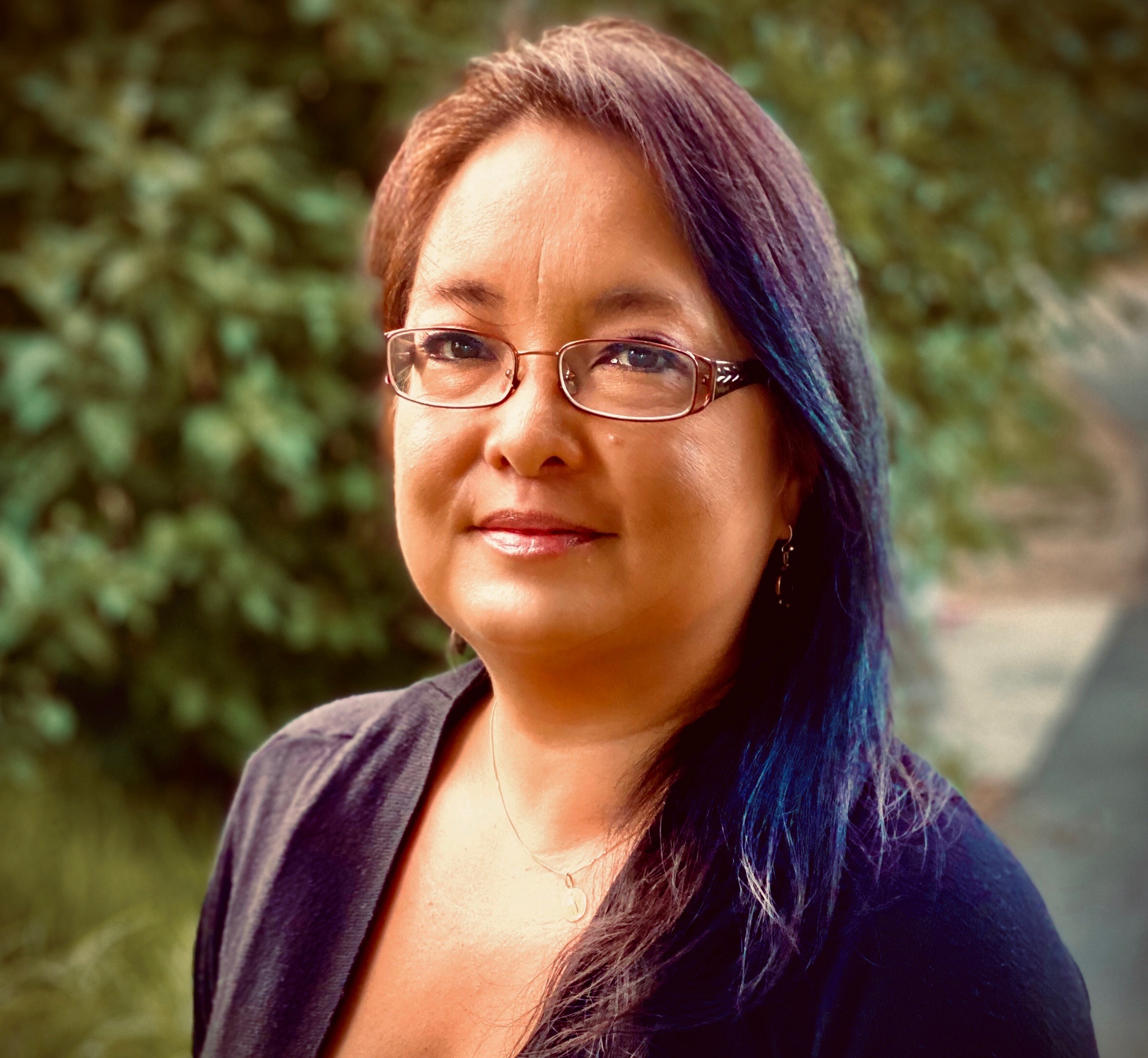
How to be UnMothered by Camille U. Adams

Can abandonment be good luck if a mother turns out to be even worse? Narrated in poetic prose and the rhythmic patois of Trinidad and Tobago, How to be UnMothered reflects upon the multifaceted cruelties of a mother who subjects her daughters to neglect. It journeys from the aquamarine seas and lush greenery of Trinidad and Grenada to England, Canada, and New York City. It explores Caribbean history from pre-colonialism to the present, and questions what the author sees as the chokehold of African spirituality. Finally, it affirms the role of choice in determining multi-generational legacy.
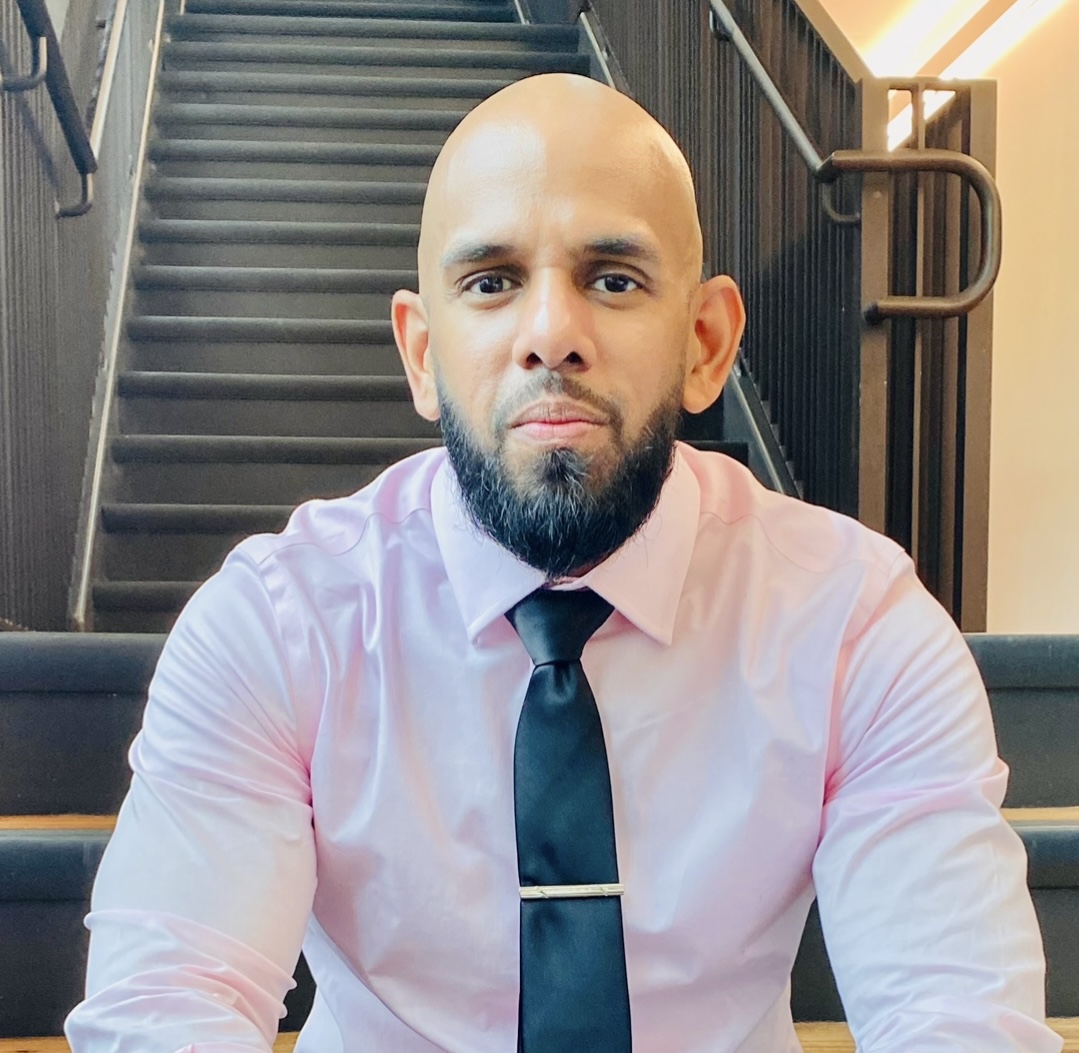
Unexploded Ordnance by Catharina Coenen
 A collection of essays that interrogates what it means to come from a place where horror originates, and how terror can shape lives across generations, sometimes through our very DNA. Coenen, a doctor of biology, grew up in Germany and immigrated to the United States as an adult. Her mother, who had been five at the end of WWII, never talked about sheltering in basements while bombs shook the walls, fleeing burnt-out cities stuffed in the baggage net of overcrowded trains, or hiding her own mother under her sister’s crib during the mass rapes committed by invading French soldiers. When Coenen falls in love with a woman, she begins to disentangle her twenty-year marriage to a man, and the wartime anecdotes her grandmother shared throughout her childhood reappear like small grenades. With time, she comes to understand how historical threats to anyone labeled as “different”—Jewish people, disabled people, gay people, political dissidents—still bend her life, just as those threats persist across borders today.
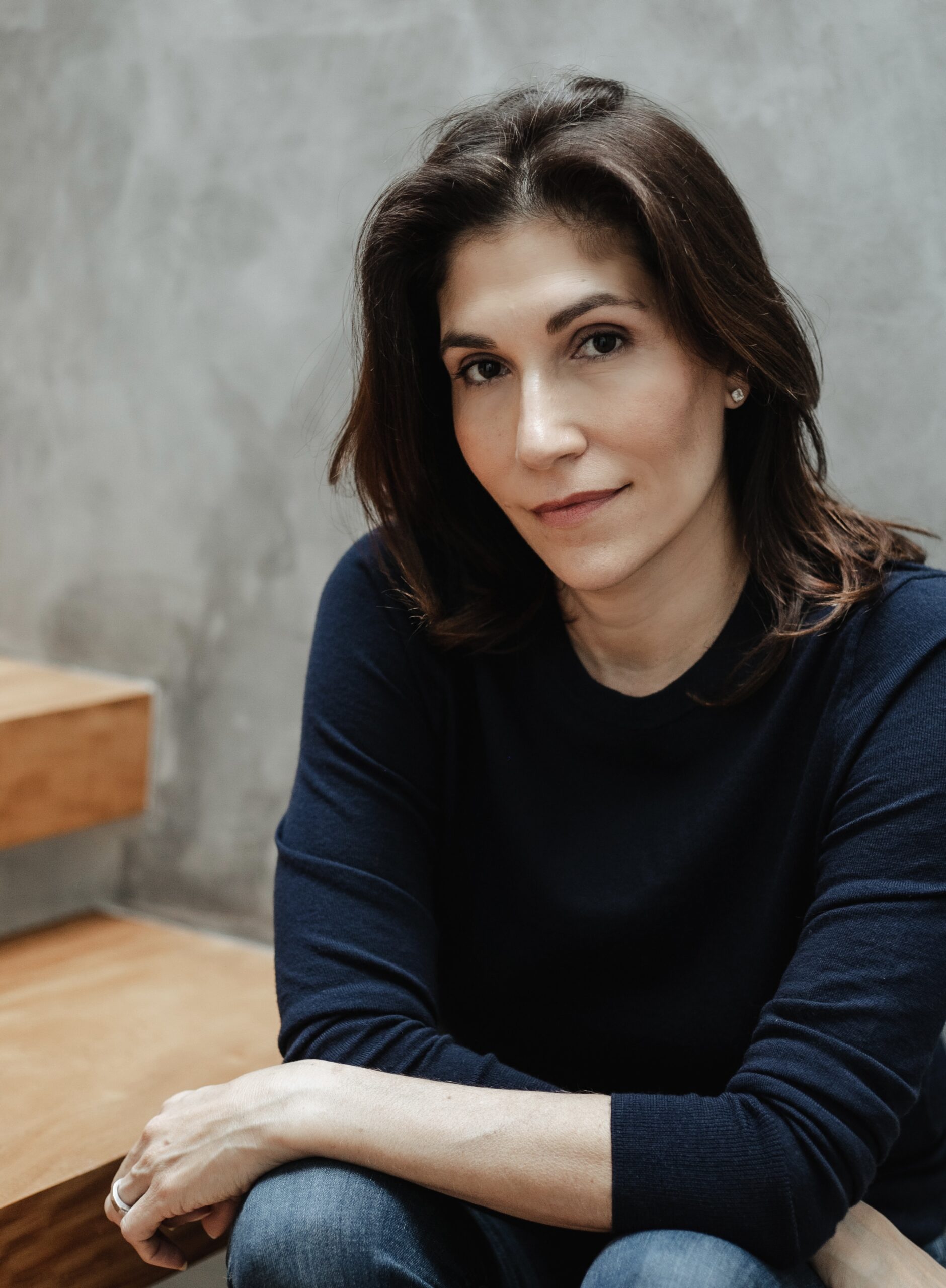
Radio Big Mouth by Ana Hebra Flaster

Ana Hebra Flaster was five years old when her family fled post-revolutionary Cuba. They landed in a New Hampshire mill town, but she grew up Cuban-style, in a bright yellow duplex full of viejos—cousins, dogs, canaries. The women in her family worked hard to keep their Cuban identity alive, and they created a new family story: they’d won. They’d beaten Castro and Communism. Flaster believed those stories. But when her own daughter turned five, a deep depression appeared. What deep trauma had lodged itself in her when her family was uprooted from Cuba? For many refugees, she writes, refugee-dom never ends, even when you’ve scrubbed your accent and learned to like food that tastes like it was washed first. This book is a love letter to that story.
A Broken Russia Inside Me by A. Molotkov
 Do we shape circumstances or are we shaped by them? A Broken Russia Inside Me is the story of a writer born into a totalitarian world and a tale of forging an identity outside what was given. At the age of twenty-two, Molotkov makes the decision to emigrate and, with $343 in cash, build a new life in the United States while the Soviet Union collapses and Russia is claimed by increasingly ominous leaders. He investigates what it means to be from a place he’s ashamed of and seeks to eradicate from within himself while also exploring how his choices and relationships still influence his attitudes and social responsibilities.