Buttons

By JESSICA ADAMS

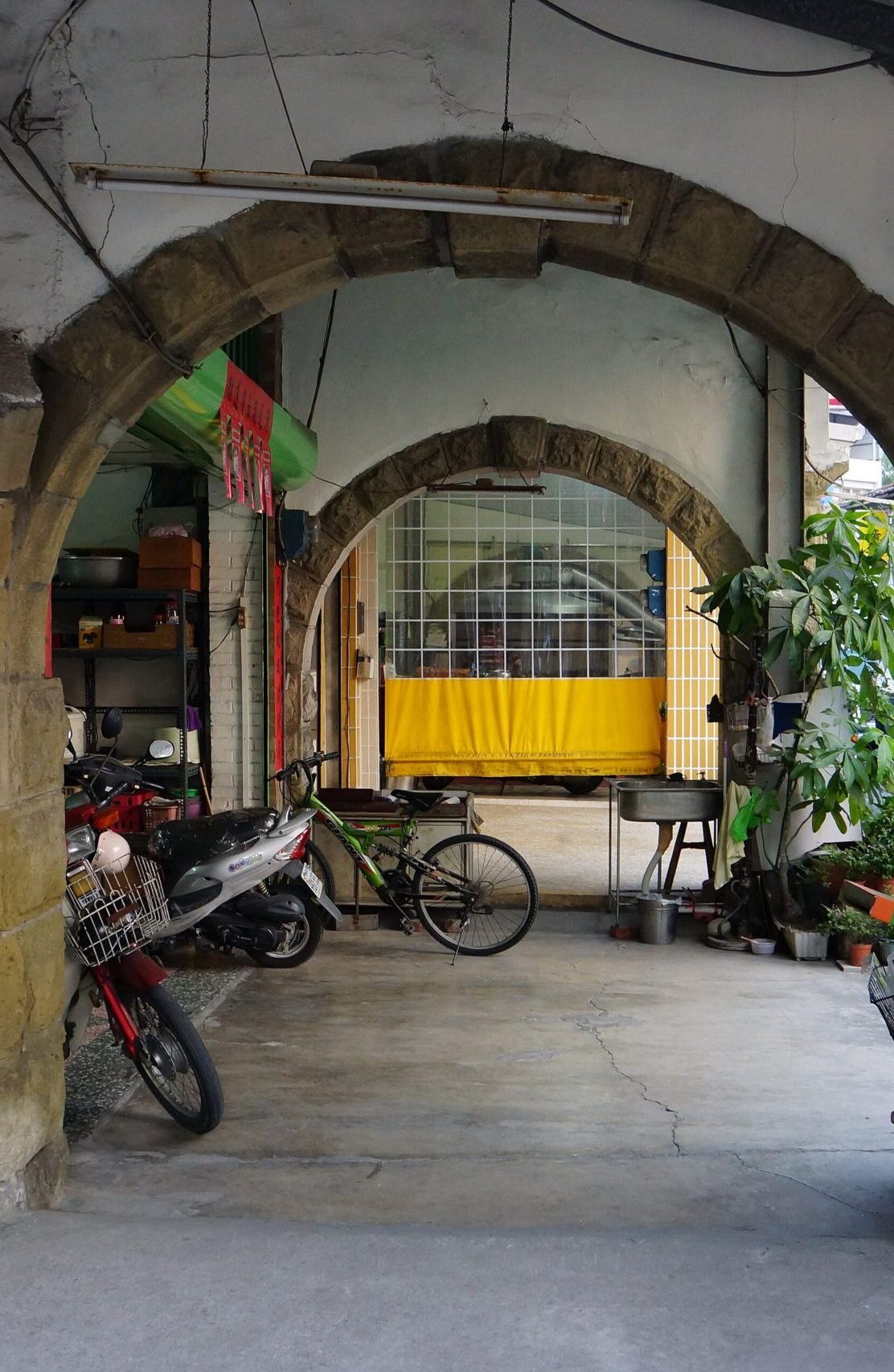
In a long, low building with a tin roof, people from this village turn clamshells into buttons. Beyond the broken windows lie middens of clamshells, punctuated with precise and uniform holes. The gravel mixes with broken shells and thick, pale unfinished buttons. There will be no work here until May, when the surf clams have again grown large enough to harvest. For now the workers are in Ensenada and San Diego, crewing on fishing boats, washing dishes in restaurants. It is a quiet afternoon. A boy is playing under a lime tree. Red and brown mountains rise up behind the gravel yard. There are buttons scattered over the graves at the other end of the village. The button factory is owned by a Japanese company, and, year after year, the finished buttons are exported to Japan. In a store carrying necessary items, in a town on that far-away coast, a woman’s fingers brush the polished calcium sewn to the front of a blue wool coat.

From the beginning, The Common has brought you transportive writing and exciting new voices. We are committed to supporting writers and maintaining free, unrestricted access to our website, but we can’t do it without you. Become an integral part of our global community of readers and writers by donating today. No amount is too small. Thank you!

Buttons

Related Posts

The Dark Green Carton

CHARMAINE LAM
My grandmother would often stop me when she saw me leave the house. “If you pass by the supermarket, can you pick up some milk?” Neither of us drank milk, but my great-uncle went through an entire carton by himself every day or two. I agreed, and a tradition was born.

Two Poems by Dalia Taha, translated by Sara Elkamel

DALIA TAHA
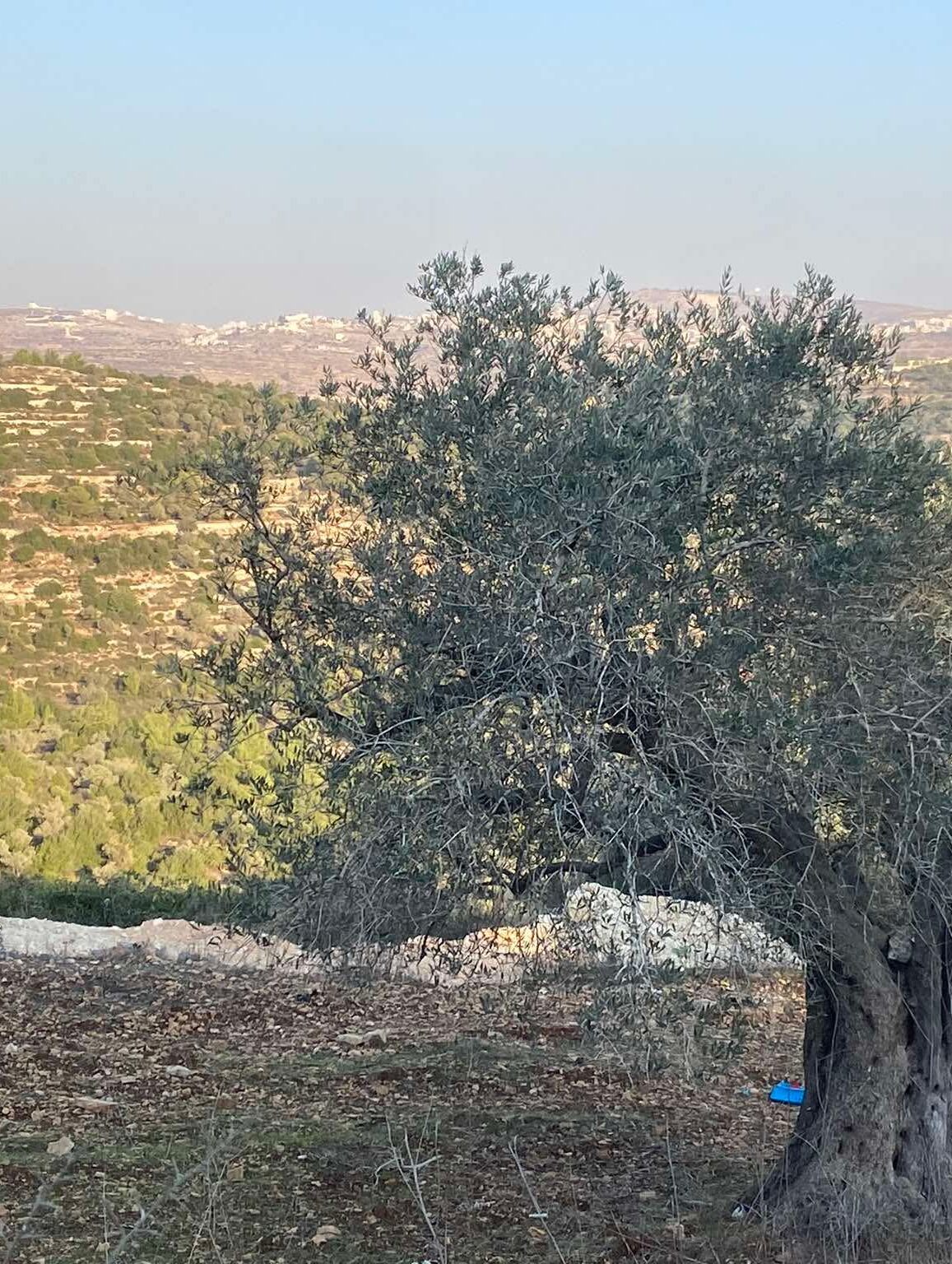
All we own are our lips / and the pupils of our eyes—the car / will plow into all of this. / And still, life is far too complex / for words like victory or defeat. // Life is Salma on the balcony / moving plants to bigger pots, in her eyes / the settlement’s lights. 

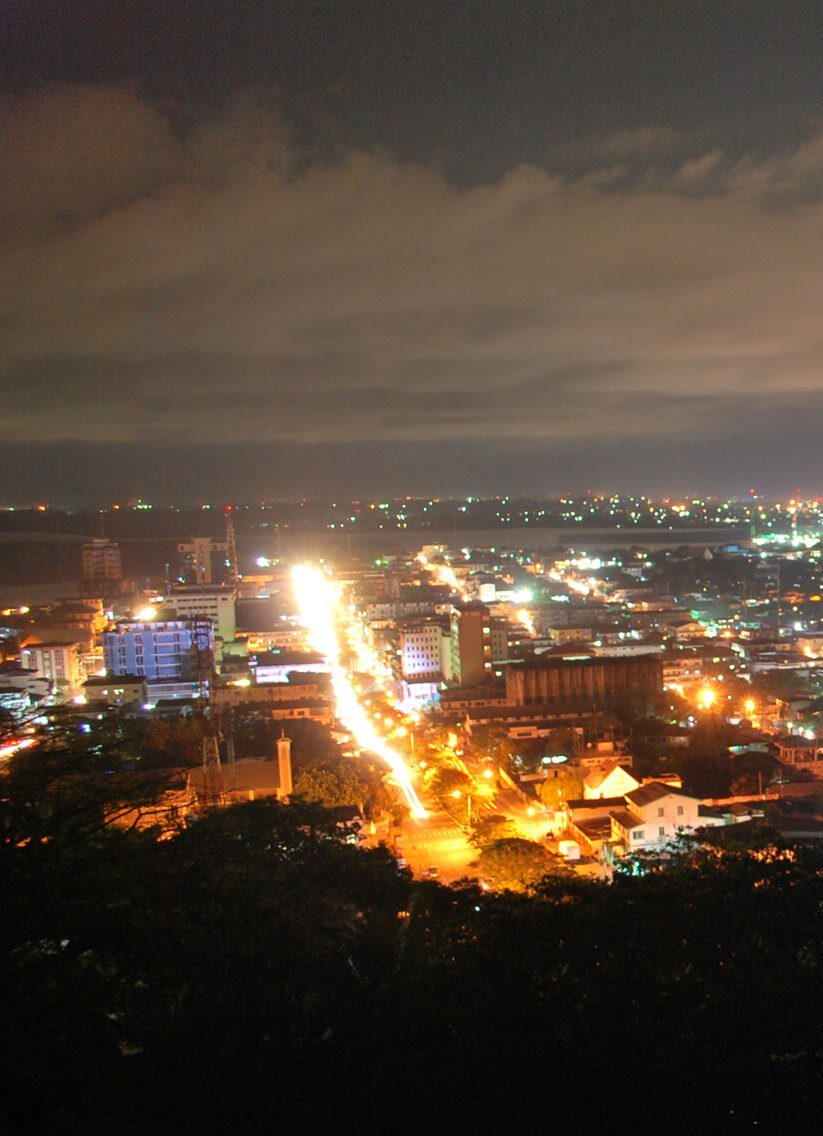
Monrovia, Liberia at night

Electricity Comes in the Morning

MARVIN GARBEH DAVIS SR.
A sudden hum, a soft pulse through the walls, and the bulbs bloom again: white, merciful, blinding, as if mercy itself has switched on the lights. You can hear the city rejoice. Someone shouts, “Current don come!” Radios click on. Pots clatter. Even the roosters seem to crow out of turn. The sound of the generator fades, its duties relieved.