Then
it was a
place refracted
by the prism of history and
still in a kind of shock
of the past,

Then
it was a
place refracted
by the prism of history and
still in a kind of shock
of the past,
By JOHN MARTIN
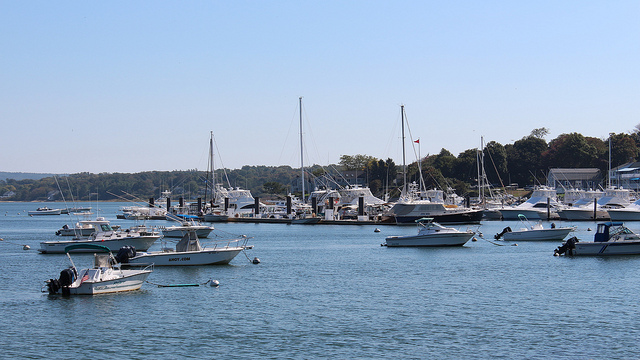
Even viewed from a distance, the harborfront tests the capacities of peripheral vision, tall masts and rigging far off to the right, and in front of us, here, clumsy, rectangular structures painted white with enormous, clear windows that darken in the afternoons.

By MEGAN HARLAN
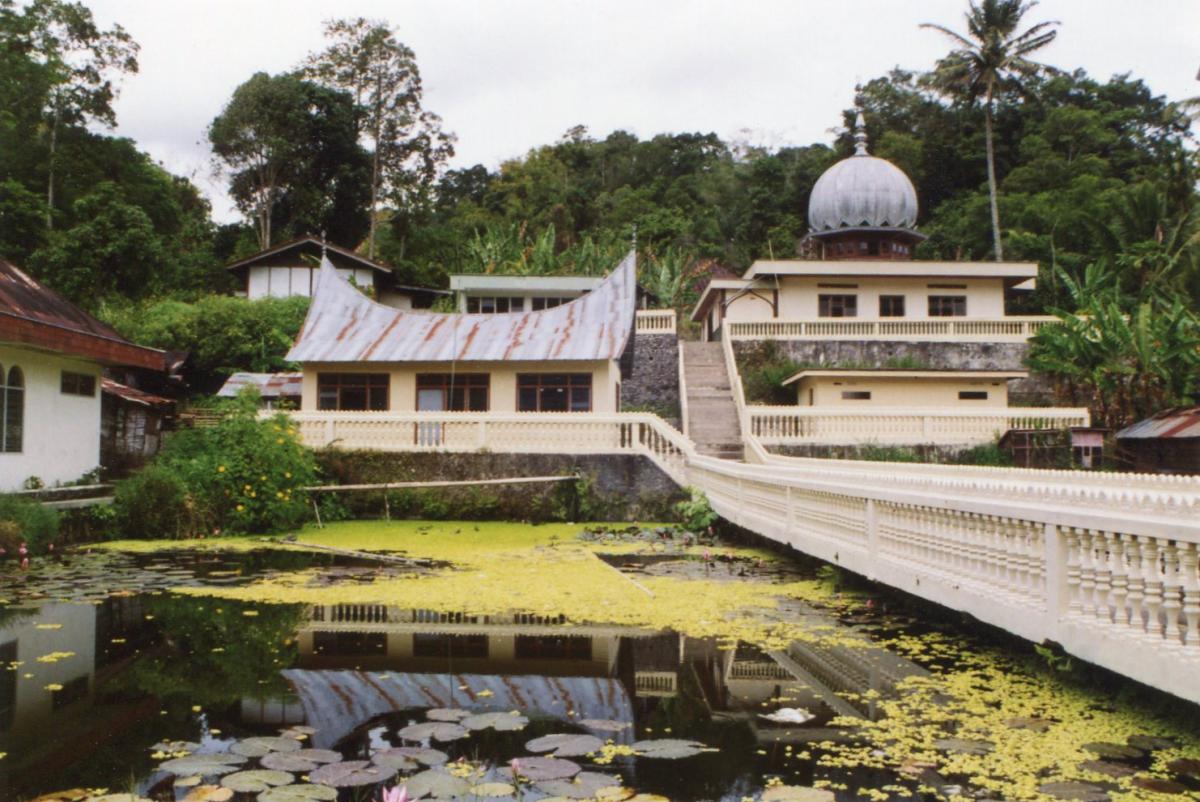
My first day in Bukit Tinggi, a town in the rain forest-swathed mountains of West Sumatra—a region home to the Minangkabau ethnic group, the world’s largest matrilineal society—I swore I heard a woman calling the Muslim midday prayer broadcasting from a white mosque.

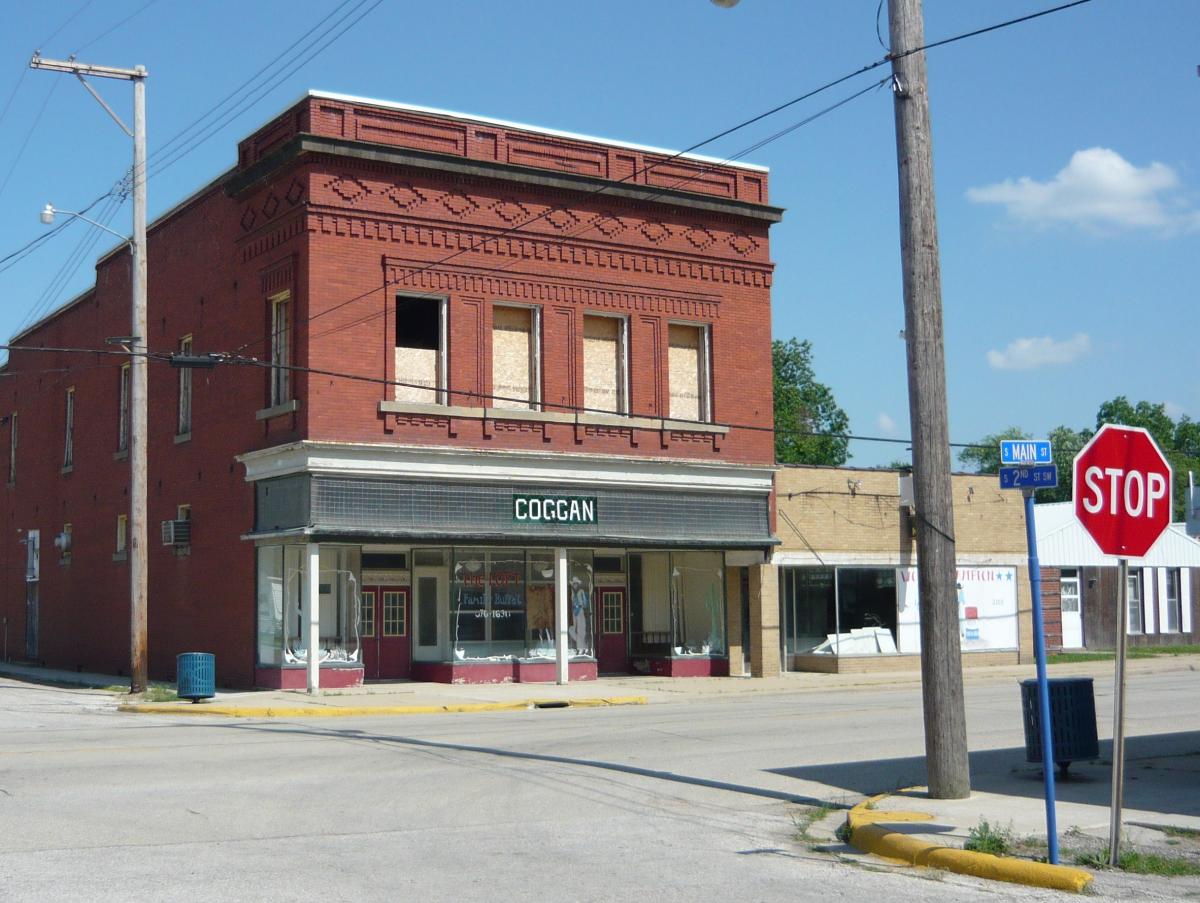
I’d met Jimmy Reynolds when we were in fifth grade and his parents were the new owners of one of the two grocery stores in Maysville, my hometown of 900 or so, on the banks of the Little Wabash River in southern Illinois. I even went to his house once after school. His dad supervised while we shot off Jimmy’s model rockets, then later his mom cooked hamburgers and homemade fries for us and his younger brothers Jason and Jonah. The Reynolds kids spent that summer with their grandparents back up in Michigan but then with just a few weeks to go before the 1978-79 school year started Jimmy called and asked if I could come over again.

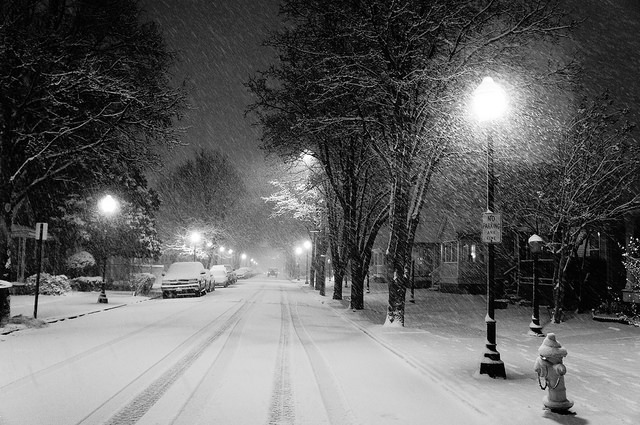
We were tipsy and in a good mood, Paul and I, coming home from our favorite bar in the whirlings of this season’s first “historic snowstorm,” when I noticed the figure floundering in the snow.

The proper term is “government facility,” but it feels like an old university most of the time. Asbestos in the ceilings, paint fresh from 1979. Fluorescent lighting, emergency signage, old handset telephones on the wall in every floor. My role here, in a place where the best of the best tackle noble, courageous goals—the taking of soil samples from Mars and the landing of spacecrafts on comets—is comparatively small. The comforting routine of support, set-up, clean-up; prepare, take care.

By V. HANSMANN
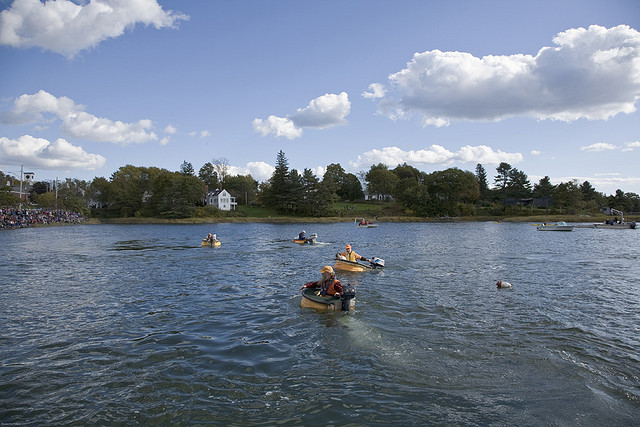
There were hundreds of summer camps in Maine in the ’60s. It was a seasonal gulag for middle-class white kids, ages 8–16. Being shipped off to the woods by your parents for eight whole weeks felt like a secret Get Out Of Jail Free card. Only the nametags on your clothes connected you to who you were once you had been dropped into June, and then, somewhere around August, you would brown and swell and burst into flame like a marshmallow on a stick.

By CHRIS KELSEY
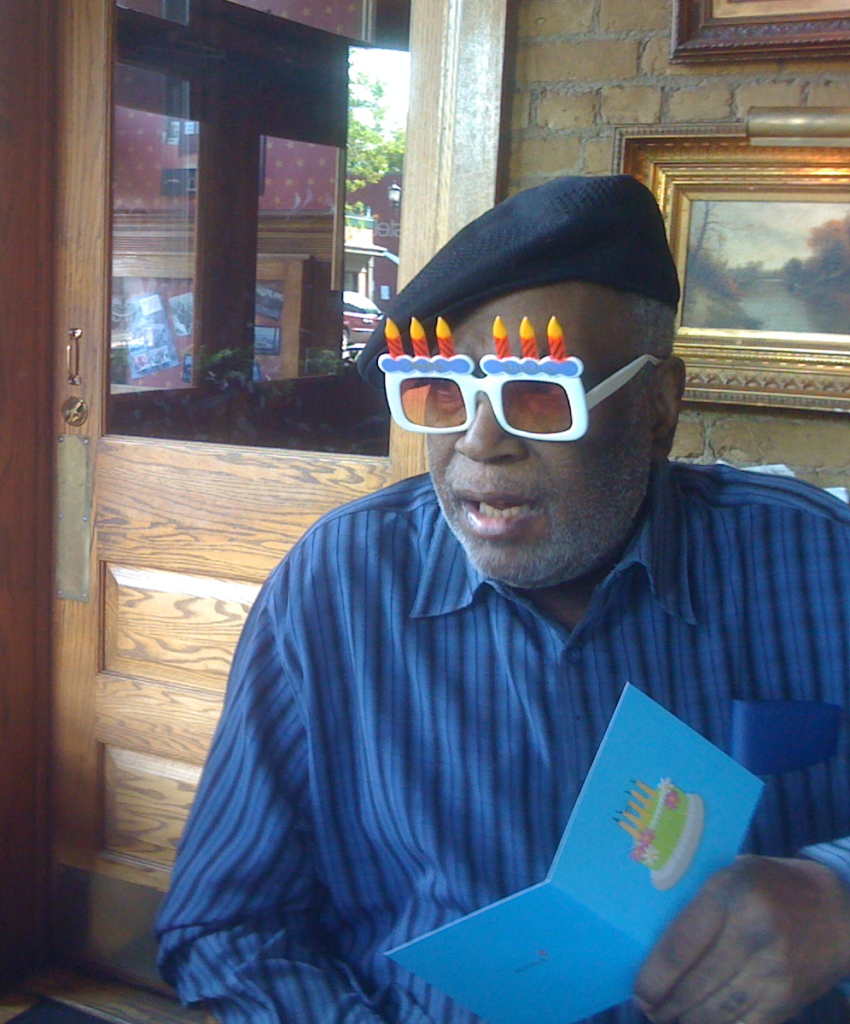
Nothing could be done about the cancer in him, so we did not bring him bread. He was dying, and doing so more actively now, though still at a pace he commanded. Even Death let him call most of the shots. We brought Sol what he wanted: vodka and cigarettes.

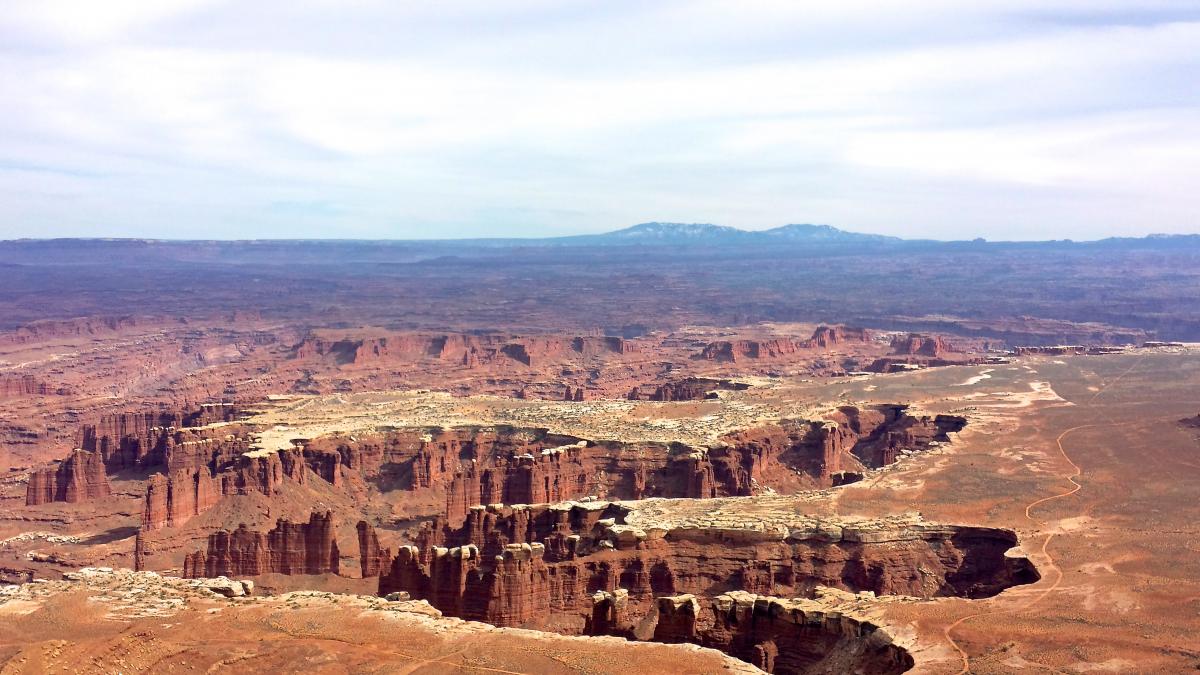
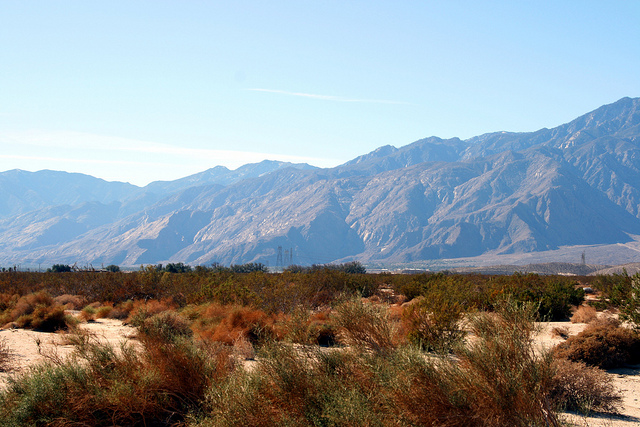
I expect the countless eyes and cameras that have adored this place to have dulled it. But I see all colors in the desert; and they’re not tainted, as far as I can tell. I try to learn the terms and reasons for why it became the way it is. I don’t forget one name—desert varnish: the volcanic gleam over rusty red cliffs, as if spread by palette knife—and I repeat it in my head every time I pass it.

We are standing in front of Mark Rothko’s Black, Red Over Black on Red at the Centre Pompidou.
“I love Rothko,” says my companion. “I am not crazy about modern American art, but Rothko is different.” A painter himself, my companion is a talkative man behind whose frail body and white hair is an energetic, sometimes erratic mind. “Look,” he says, as he moves closer to the painting, the guard keeping a polite watch over us. “The way he has layered the painting—as if he were breathing it.”
Don’t miss an issue! Subscribe to The Common.