
I Want What Comes After

By KELWYN SOLE

I want what comes after:

the first lifted bucket’s clang

once the rooster’s all crowed out,

a keen thirst for fresh water

as sequel to that sound


your smell drying on my skin,

your fingers brushing briefly

against my stomach as you stir

awake from dozing: or, when

you’ve gone, an empty shape

left sprawled asleep within

the blankets on my bed.

I want what comes after:

the miraculous vigil of a moth

unburnt beside us in the sheets;

toast starting to brown, the nails

of a scabby cat across the floor,

conclaves of birds upon the eaves


the rustle of trees as they begin

to post their letters to the wind –

wind that’s strong enough to blow

off a roof of morning mist, a sky

like a field that begs a plough

emerging. And the two of us

looking outside to find the dawn

to which we’ll trust our bodies.


Kelwyn Sole is professor of English literature at the University of Cape Town and guest-editor for Issue 04.  

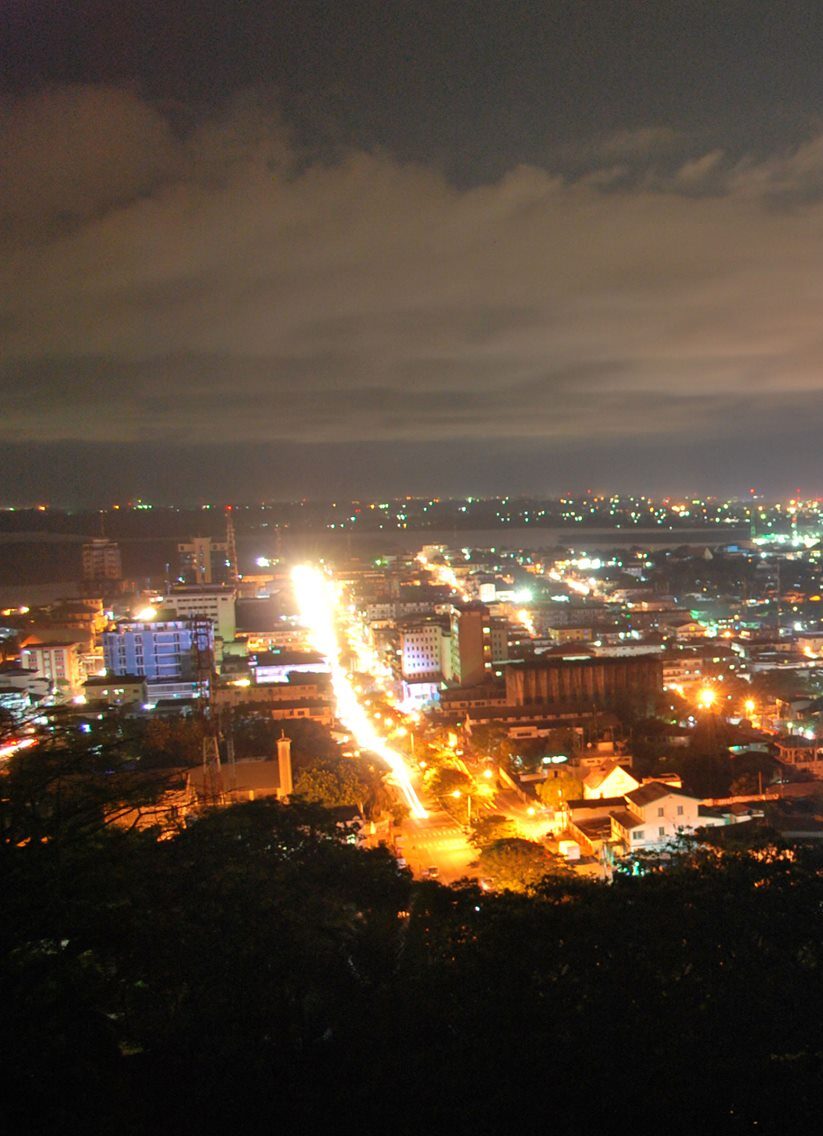
Photo by Zane Selvan, from Flickr Creative Commons
From the beginning, The Common has brought you transportive writing and exciting new voices. We are committed to supporting writers and maintaining free, unrestricted access to our website, but we can’t do it without you. Become an integral part of our global community of readers and writers by donating today. No amount is too small. Thank you!

I Want What Comes After

Related Posts

The Constancy of Ocean Sounds

JOHN T. HOWARD
Another morning in New Harbor arrives, this time with sun in place of cloud and fog. The waves, still audible, seem almost louder than yesterday. The dunting off in the near distance swallowed up by the constancy of ocean sounds. Tumult, clamor, crash.

art by jonathan ehrenberg

Two Poems by Erica Ehrenberg

ERICA EHRENBERG
Nearby, / women came out of the rubble / still pregnant years after / the children were conceived. / I kept you in, the women said, / because you were the pin / holding down the world

Two Poems by Heather Bourbeau

This forest is named for the first head of the National Forest Service, who warned of assuming natural resources were inexhaustible, who said without conservation we pay the price of misery, degradation, and failure, who asked if these resources were for the benefit of us all or for the use and profit of a few? He was also a leading eugenicist.