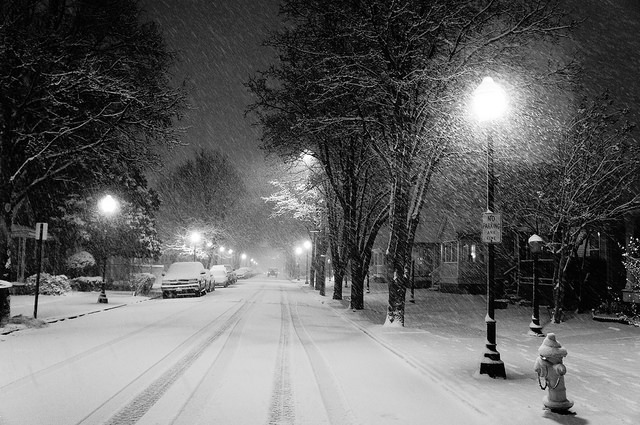
We were tipsy and in a good mood, Paul and I, coming home from our favorite bar in the whirlings of this season’s first “historic snowstorm,” when I noticed the figure floundering in the snow.


We were tipsy and in a good mood, Paul and I, coming home from our favorite bar in the whirlings of this season’s first “historic snowstorm,” when I noticed the figure floundering in the snow.
S. TREMAINE NELSON interviews BRIAN SHOLIS

Brian Sholis is Associate Curator of Photography at the Cincinnati Art Museum. He writes about photography, landscapes, and American history, all of which topics are combined in his essay “Our Poor Perishable World,” appearing in Issue 08 of The Common. In this chat with Oregonian S. Tremaine Nelson, Sholis touches on the American West, beauty and destruction, and the similarities between fiction and photography.
Gandy Dancer reviews The Common, emphasizing a “tasteful unity that is certainly the result of the common thread.”

This month we’re playing in the borderlands, exploring the spaces between categories. Intercontinental love stories; strangers in strange lands; the struggle to remain constant in a world of transience. These books bend genre and their subjects navigate the passages between success and failure, present and past, public and private life—between where they are and where they have in mind.
Recommended:
Middle Men by Jim Gavin, The Shape of a Pocket by John Berger, Mo’ Meta Blues: The World According to Questlove by Ahmir “Questlove” Thompson and Ben Greenman, Americanah by Chimamanda Ngozi Adichie, Belonging: A Culture of Place by bell hooks.


In this episode of The Common’s Contributors in Conversation podcast, Issue 06 contributors Hisham Bustani and Jamie Edgecombe read and discuss their fiction pieces “Freefall in a Shattered Mirror” and “Blue Mountains.”

The proper term is “government facility,” but it feels like an old university most of the time. Asbestos in the ceilings, paint fresh from 1979. Fluorescent lighting, emergency signage, old handset telephones on the wall in every floor. My role here, in a place where the best of the best tackle noble, courageous goals—the taking of soil samples from Mars and the landing of spacecrafts on comets—is comparatively small. The comforting routine of support, set-up, clean-up; prepare, take care.

Around this table we’d gather, cover it with food. In the end: scattered drippings and crumbs, bottles and glasses emptied or abandoned. A cat scavenging the remains.

1. Seocho via Gangnam
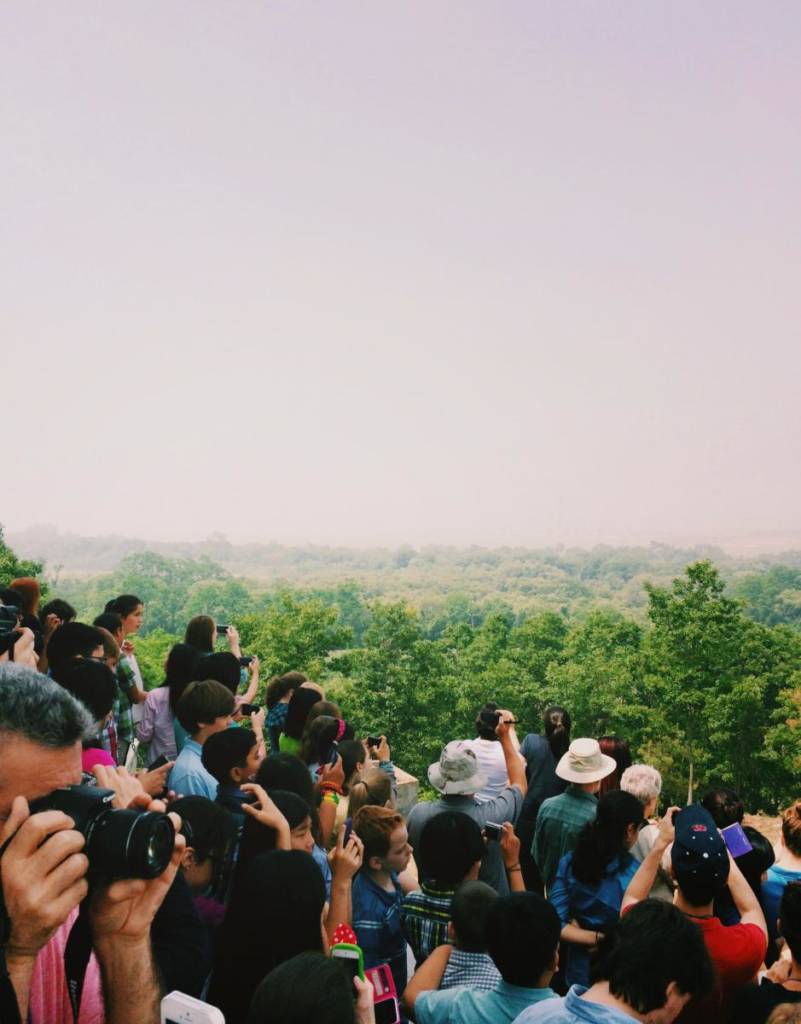
My family and I are struggling along Teheran Road in Seocho-dong, Seoul, and it is my fault. I should have conducted us one stop farther to Gangnam Station, where the number ten exit would have deposited us in front of our destination, but we are disoriented by the city’s newness and haven’t yet learned the subway stations, nor do we know the banks and stores and restaurants piled atop each other in metallic high-rises footnoted by cafés and tea rooms and dessert shops. It is late May, nearly summer, when people punctuate meals with shaved ice covered with red bean jelly, rice cakes, diced fruit, grain powder, green tea, condensed milk, and ice cream for more richness. Humidity surrounds us and compresses our chests, though the forecast today says “mildly dusty.” Tomorrow, when it says “very dusty,” the sky adopts a yellowish tinge from pollution that Koreans claim drifts over from industrialized China. The passersby do not wear sunglasses, a strange omission for a country obsessed with pale and poreless complexions.

At The Common, we’re celebrating the shortest month of the year with new poems by four contributors to our print journal.

By V. HANSMANN
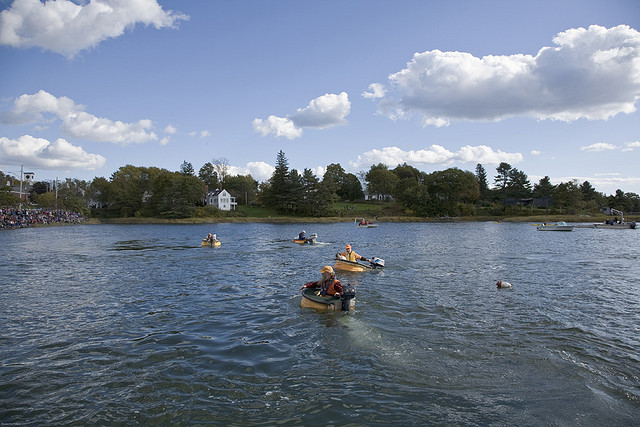
There were hundreds of summer camps in Maine in the ’60s. It was a seasonal gulag for middle-class white kids, ages 8–16. Being shipped off to the woods by your parents for eight whole weeks felt like a secret Get Out Of Jail Free card. Only the nametags on your clothes connected you to who you were once you had been dropped into June, and then, somewhere around August, you would brown and swell and burst into flame like a marshmallow on a stick.

Don’t miss an issue! Subscribe to The Common.