1754
She insisted that a gazebo, grotto, and gate be added
to the Estate. Two obelisks were next. And soon, a sham
castle was built on adjoining land. Then she planned

1754
She insisted that a gazebo, grotto, and gate be added
to the Estate. Two obelisks were next. And soon, a sham
castle was built on adjoining land. Then she planned

The view excavated any hope of escape. “Ha ha!”
the trench, that sunken fence, seemed to say
with its furrows dug deep enough for despair.

That summer I was reading Henry Adams, the Gulf bled crude
That did not quite wash up in Louisiana bayous.
I tracked his mind forward and back in time. The gist of it
Did not rise. Adams thought the planet would survive

Fifty years ago the white-crested waves of the Aral Sea broke over the top of the bluff I am standing on. Today there is not a single drop of water here. This place is called the graveyard of ships, where skeletal vessels marooned on sand dunes wait for a sea that will never return. The rusting hulks of twelve ships covered in chalk graffiti are the remains of what was once a thriving maritime and fishing industry in the now-defunct port of Moynaq, which lies in the northwestern corner of Uzbekistan. I climb down from the bluff to examine the ship corpses. The air is heavy and stultified; I feel so light-headed that I lean against the sun-baked metal for support. Looking up at the wall several meters above me, I imagine the weight of the water-that-was pressing down upon me.
By ROBERT BAGG
Harper Perennial published The Complete Plays of Sophocles: A New Translation by Robert Bagg and James Scully, on July 26, 2011. The book includes all seven extant plays by Sophocles, two of which will be included in the Norton Anthology of World Literature. The following essay was derived from Robert Bagg’s talk at the Coolidge Presidential Library and Museum in Northampton, MA.
Join us at Brookline Booksmith for readings by three contributors — Daniel Tobin, Katia Kapovich, and Philip Nikolayev — conversations about the works, and a party to celebrate the release of Issue 02.
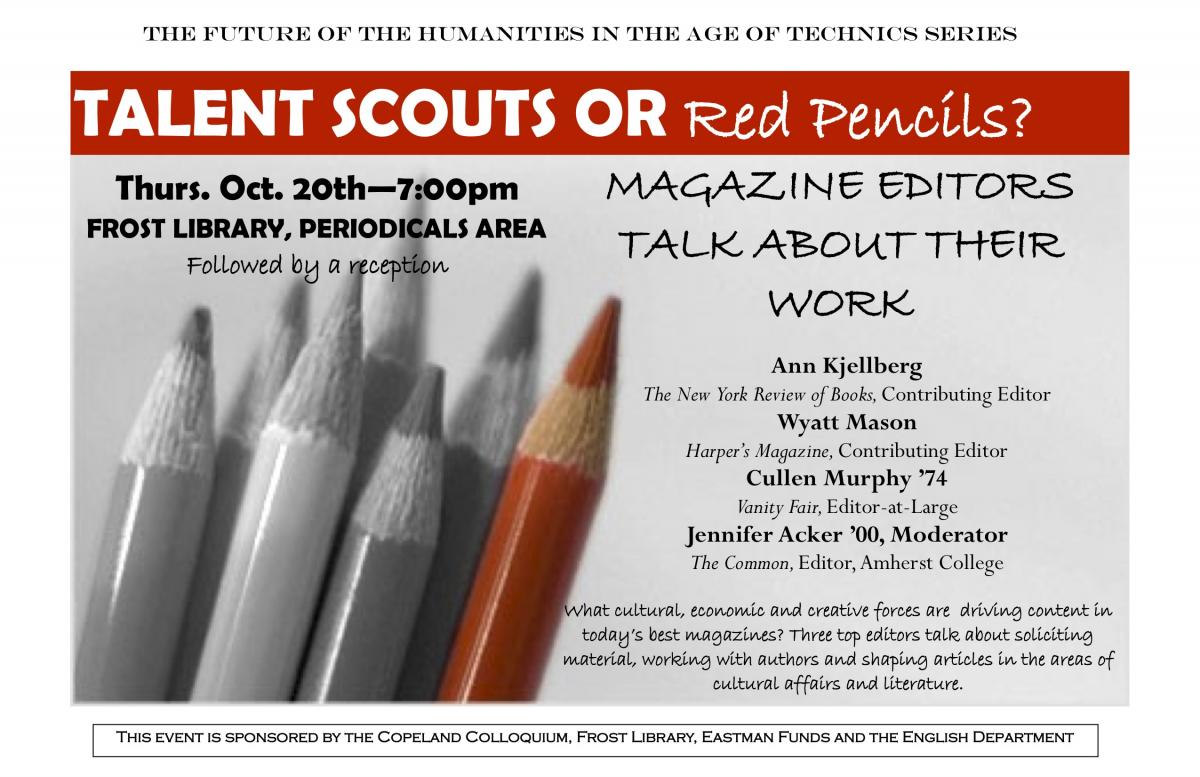
A panel discussion in Amherst College’s Frost Library with editors for The New York Review of Books, Harper’s Magazine, and Vanity Fair, moderated by Jen Acker. The event takes place as part of Amherst College’s series, “The Future of the Humanities in the Age of Technics.”

We had no plans to visit Paris that winter. I was at the end of the second trimester of a difficult first pregnancy, when a few hours away from the comfort of home were all my hundred-pound body could afford. We were living in Salem, Virginia, five thousand miles from all our family in India.

3 things were called into the somehow of morning
two dissimilar metals + moisture = electricity
and me here dimmed, all yesterday I wrote

JEFFREY CONDRAN interviews HANNAH TINTI
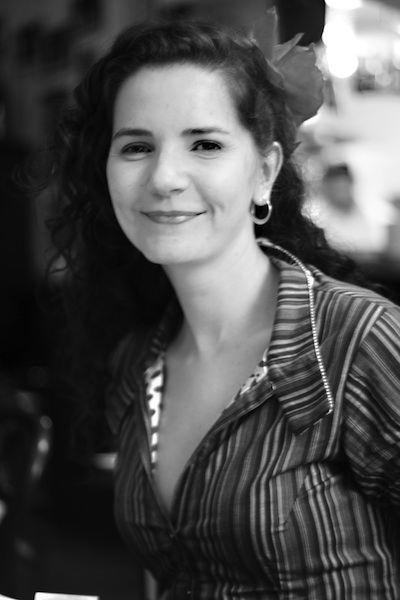 Photo by Linda Carrion
Periodically, The Common will feature conversations with editors that illuminate the wide-ranging nature of their work and their creative lives. In today’s piece, Jeffrey Condran talks with One Story editor Hannah Tinti about the writer/editor relationship, The Good Thief, and the relevance of digital tools to the literary community.

Don’t miss an issue! Subscribe to The Common.