
By JOHN MCNALLY
In the summer of 1975, in the southwest Chicago suburb of Burbank, my parents finally became homeowners when they bought a condominium unit in a brand-new development comprised of eight buildings. The cost: $25,000. First, however, we had to break our apartment lease and move out in the middle of the night. I was nine years old, carrying my toys down the stairs to my father’s pick-up at three in the morning while everyone else, our friends and enemies, slept soundly. In every apartment building we’d ever lived, we always had friends and we always had enemies, and we never lived in any one place for longer than two years. Things were finally going to be different.


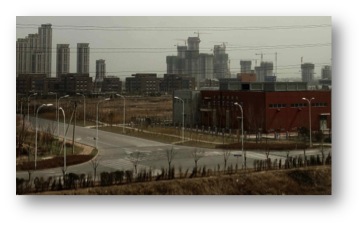 We took the fast train to Beijing across hours of deadened countryside where all the trees grow in rows, various heights, but all new and emaciated under the dusting of early leaves. I asked an acquaintance what happened to all the old trees. Was this a result of the Cultural Revolution? He said, maybe they ate them. They ate grass sometimes. Maybe they cut them down for firewood. Now and then you see some that don’t look planted; volunteers, they had been fattened up by age and randomly placed. There are always survivors.