Many fiction writers aspire to mastery of the short story form. From commercial offerings such as the “MasterClass” online series to college curricula, we are taught techniques to create a strong character and a plot leading to a resolution. The goal? “To uncover a single incidence or series of linked incidents, aiming to evoke a single effect or mood from the reader,” as phrased by Sughnen Yongo writing for Forbes. I’m convinced that this conventional attitude that expects singleness from the short story is selling it short.
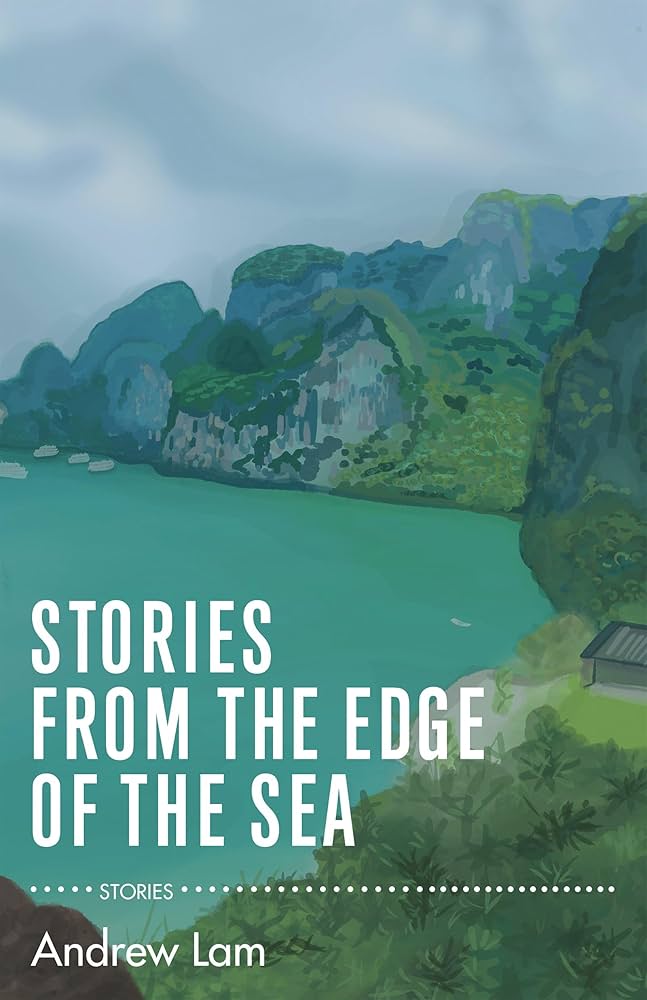
In his latest collection Stories from the Edge of the Sea, Andrew Lam delivers work far beyond that narrow definition of the form. The settings are complex. Even a five-page story can encompass several decades of a character’s life. Though many pieces focus on a single protagonist, often the cast of characters is big enough for a multigenerational saga. Sometimes, the perspective shifts unexpectedly from one character to another across time and space, and in other stories a first-person narrator’s voice that begins a story disappears and the story continues in the third person, as though looking over the shoulder of the earlier first-person narrator. The emotional effects of these fourteen stories are layered; they leave us with no easy truths, but push us away from stable shores into the stormy seas of human experience.