Some meager talk of Larkin
over quiche and pâté, olives
the proclaimed ragamuffin
picked at as though our lives;

Some meager talk of Larkin
over quiche and pâté, olives
the proclaimed ragamuffin
picked at as though our lives;

Scavenging down the blue potholed hill, rocking
out of cobalt acid, they steam chromatic, these Elijahs
in their cloud wheels, fatherless and man-killing,
their guts bloated with red heat, lice, cast-iron-soldiers

By JAMES BYRNE
for Yusef Komunyakaa
Downtown, already snagged between two countries, I make stock footage for an English return—block after block, hobbling in unwalkable shoes, uptown from the Ground Zero memorial where, today, Obama laid wreaths and tousled the head of Cannizzaro: a one-year-old boy on 9/11.

This month it’s our pleasure to present new work from Korea: three poems by Lim Sun-Ki translated by Suh Hong Won.
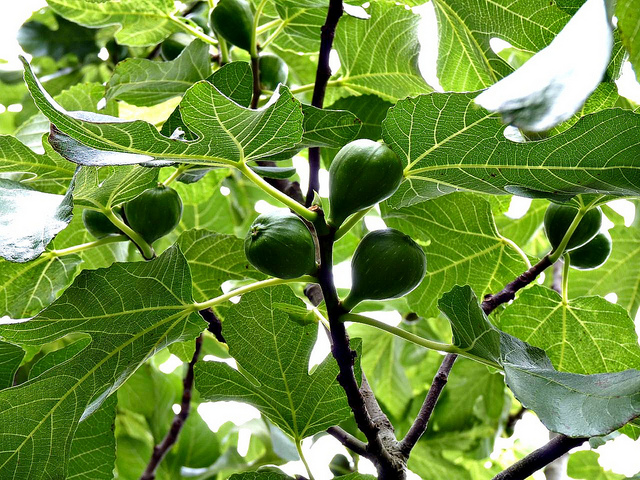
Poet Lim Sun-Ki was born 1968 in Incheon, Korea. He graduated from Yonsei University Department of French Language and Literature and received his doctoral degree in Linguistics at L’université Paris-Nanterre (Paris X). In 2006, Lim published his first collection of poems, Poem in a Pocket, and a second collection, Flower and Flower Are Swaying, was published in 2012. His third collection, Winter Tidings Fall on the Harbor, was published recently in August 2014 (Munhak-dongnae press). He is currently a professor at Yonsei University Department of French Language and Literature.
Translator Suh Hong Won was born 1962 in Hong Kong. He received a bilingual primary and secondary education, spanning Korea, England, and Hong Kong, and graduated with a B.A. in business administration from Yonsei University. He then moved on to English literature and received a Ph.D. in English at the University of Notre Dame. A professor in the Department of English Language and Literature at Yonsei University, Suh’s interests lie in English renaissance poetry, esp. Milton, rhetoric and translation, and English education. He is currently translating into English all three collections of poetry by Lim Sun-Ki.


In this episode of The Common’s Contributors in Conversation podcast, Issue 06 contributors Oliver de la Paz and L. S. Klatt read and discuss their poems “Labyrinth 76” and “Apple.”

Please enjoy these new poems by five new contributors to The Common.

By TARA SKURTU
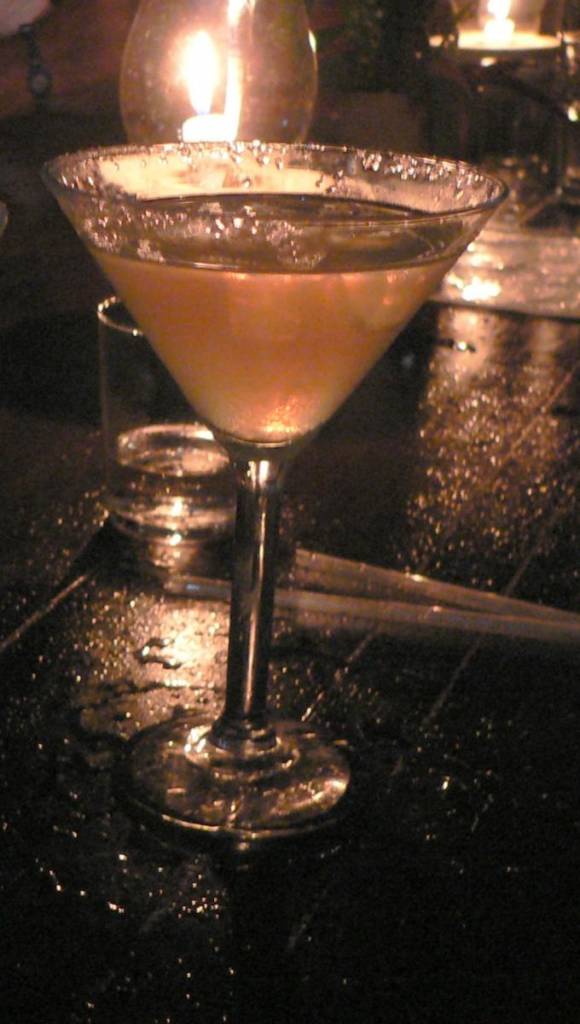
I’m here on the patio, no appetite,
drinking a salty margarita. I feel
my liver, ignore it like last night’s
glass of water. I’m tired of writing
you down when I should be writing
poems about place. Dusk hits beyond
the man playing the red accordion
on the corner, and the strays of Iași
bark out a score backed by dissonant
frequencies of the evening bells.
This morning I took a walk and found
a noseless man pumping gypsy love songs
on his accordion. I stared into the holes
of his face and thought about the girl
with the green ribbon around her neck.
Had you read the story backwards,
we might not have lost our heads.
It’s late. What time is it?
I ask a poet who isn’t you.
There’s time enough, he says.
Tara Skurtu teaches Creative Writing at Boston University, where she received a Robert Pinsky Global Fellowship and an Academy of American Poets Prize.

Upcoming print issues of The Common will feature poems by Will Schutt, Patrick Pritchett, and Kevin C. Stewart.

Book by MARIA TERRONE
Reviewed by
“Once / a single cell / found that it was full of light / and for the first time there was seeing.” With these words from W.S. Merwin, Maria Terrone opens her third full-length collection of poetry, Eye to Eye. If the unifying theme of Terrone’s book is seeing, as this quote and the book’s title imply, then Terrone sees the world in all its blemished and brutal multiplicities. She sets the stage with the collection’s first poem, “Spaccanapoli.”

It’s time for our monthly poetry feature! Today, we are publishing eight new poems from The Common print contributors.
Don’t miss an issue! Subscribe to The Common.