
By MOISEI FISHBEIN
Translated by JOHN HENNESSY and OSTAP KIN
Kol Nidre
And damp dust between stars will vanish,
and nothing will ever move or shine,
and as you look up at the sky at midday
the slanted rays will cross your sight.
And through the ages of exhaustion and disillusion,
through the voicelessness that presses the soul,
you’ll be begging: “Come now, our only song!”—
and you’ll be waiting—a solitary, thirsty animal.
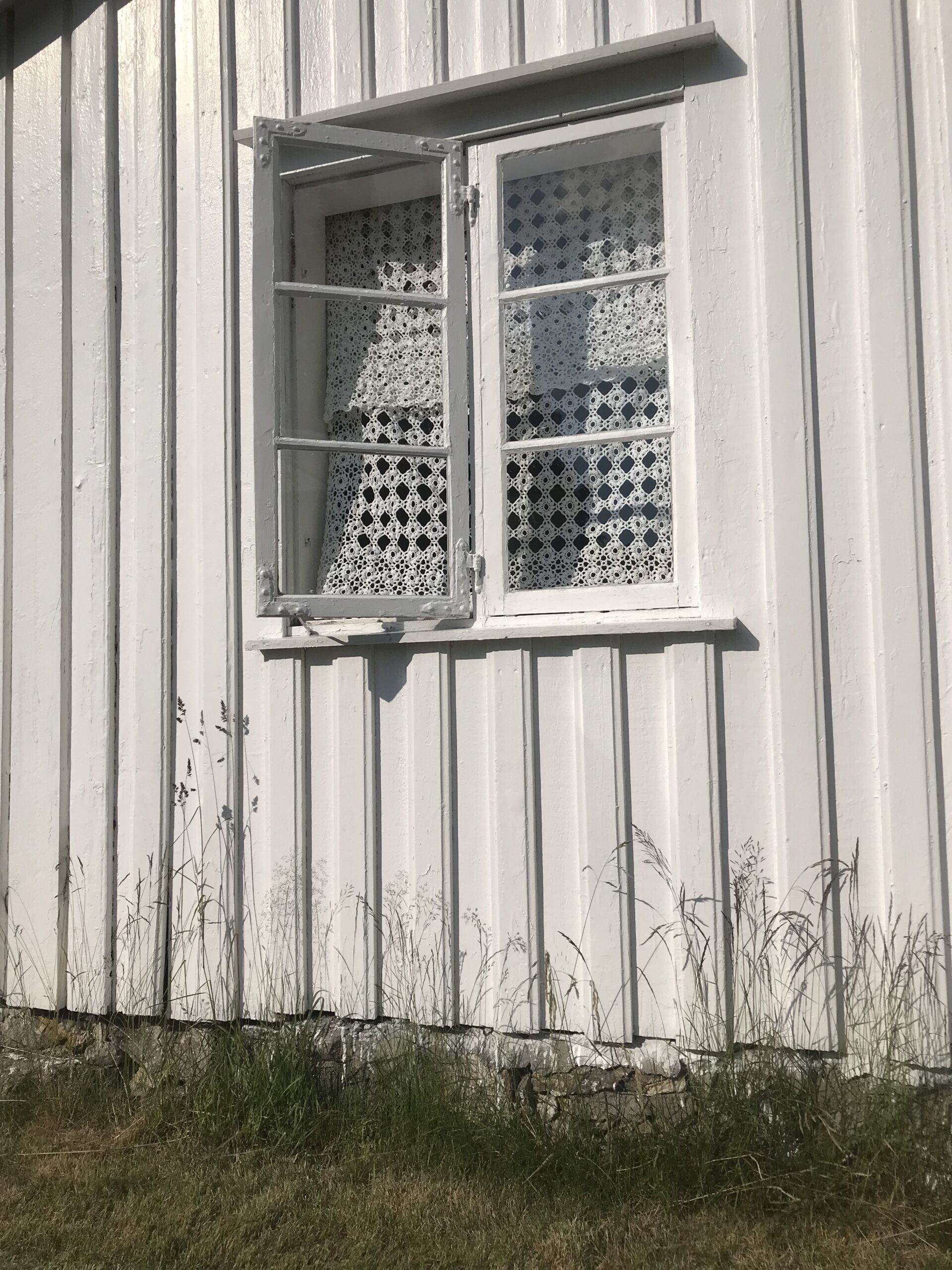
And you’ll hear the voice. The whiteness of clay pots
and the whiteness of the desert. And between them
is that voice, that sorrowful melody.
You’ll feel the song and dream of sorrowful voices.
and that tear-drop beneath your fingertips—
like a string stretched to the heavens.
Crimea, Summer
To Ritaly Zaslavsky
Close your eyes. Just a touch.
And there’s no way back.
And stay like that, and live
until you’re fully alive,
live in your skin, and live
as in strange primordial times
when waves and the wind heard
no voices between them,
now there’s only heat,
only the warm pebble beach,
only waves, and a distant
cold whitecap hits warm air,
the mellow hand feels
only the touch of heat—
forget where you’re from, who you are,
forget space and time,
dimensions and measures…
And the cliffs will sigh
when an ice-cold drop
touches your burning skin.
Taras’s Dreams
Shifting and uncertain, like primordial pain—
naked, distorted by the passing years,
belonging to no one—they fly among
the stars. Through the labor of childbirth,
into the new world, on white sheets
children come forth, and from there,
from those white sheets pain echoes,
the vivid and sharp cry of a woman in labor—
there where all is pitch dark,
where all is eternity and primordial cold,
and where you can’t see how Chernecha Hill
untwined Ukraine’s light brown braids.
Where the immense Lethe’s black waters rush,
where the Milky Way stretches without Chumaks—
dreams wander, these stepchildren of the ages,
these homeless orphans of the Poet.
They wander. There is the Milky Way.
And there, an alien land. An endless black night.
They’re out there. When I fall asleep,
they are in my head.
Moisei Fishbein (1946–2020) was an award-winning Ukrainian poet, essayist, and translator. An author of eight collections of poems and translator from German, Yiddish, Hebrew, French, Polish, and Russian, he was a recipient of the Vasyl Stus Prize and a member of the Ukrainian Center of the International PEN Club and the National Union of Writers of Ukraine.
John Hennessy’s most recent books are Exit Garden State, a collection of poems, and Set Change, selected poems by Yuri Andrukhovych co-translated with Ostap Kin.
Ostap Kin is the editor of Babyn Yar: Ukrainian Poets Respond andNew York Elegies: Ukrainian Poems on the City. With John Hennessy, he translated Set Change by Yuri Andrukhovych, and A New Orthography by Serhiy Zhadan.