I said nothing and thought
of the Foro Romano—
its basilicas, temples, arches—
imagined being by the Lapis Niger
confessing by the tomb of Romulus
and listening to Livia.
He unbuttoned my white shirt
slowly, and said, Rimaniamo
with the Republicans, the Roman emperors,
the myths of vengeful gods,
and all the excess of the Renaissance.
I said nothing and thought of the day
I stood between garbage and a graffito
that read, Roma Dice Basta.
Romans say nothing moves here,
you need certificates, authorizations, licenses.
He looked at my lace bra,
touched its contours,
and said, Rome was once master
of the Mediterranean.
I said nothing, and thought
about the day I pulled my hair up,
walked the Altar to Heaven.
The Aracoeli staircase built
to thank the Virgin Mary
for the end of the Black Death in Rome.
Maybe we need to die unexpectedly
to live freely.
He touched my underwear with his fingers,
as if drawing a confession on the lace,
and I thought of Ungaretti
captivated by the Tivoli,
D’Annunzio by the ponte Nomentano,
Morante by Piazza Navona.
He turned me around, caressed my neck;
when he reached my lower back,
he unzipped my skirt, told me:
The 1.5 million in coins in the Trevi
goes to charity, and the Catholic Church
owns a quarter of the real estate in Rome.
I said nothing, and thought
they are the largest landowner
in New York City.
He squeezed my arms,
turned me in front of him, and said,
You live in the GRA,
the Grande Raccordo Anulare.
He spelled it out as if I didn’t know.
It’s Italy’s longest urban motorway.
He kissed me passionately.
He picked me up, placed me on the table,
and spread my legs. I said nothing
and thought about the Olympics, Rome 1960,
the Futbol World Cup 1990, and Totti,
about all that excites, all that doesn’t
want to be bothered, like this city,
that only has brief answers.
He said nothing, and I pulled him in.
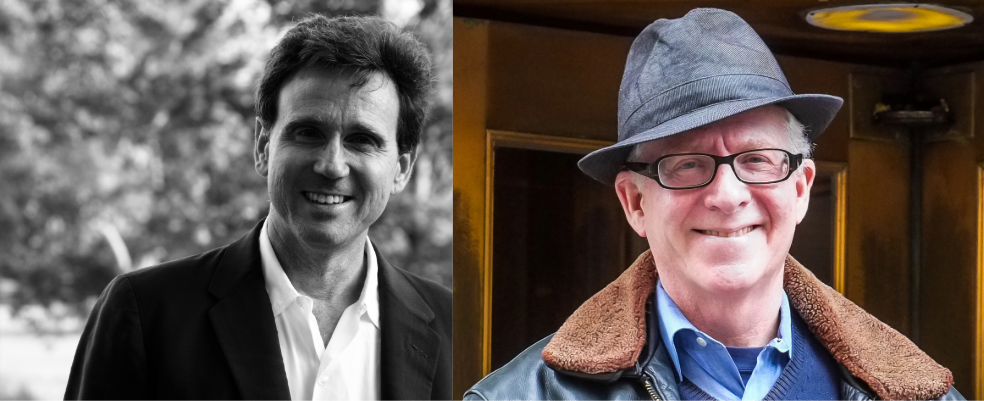
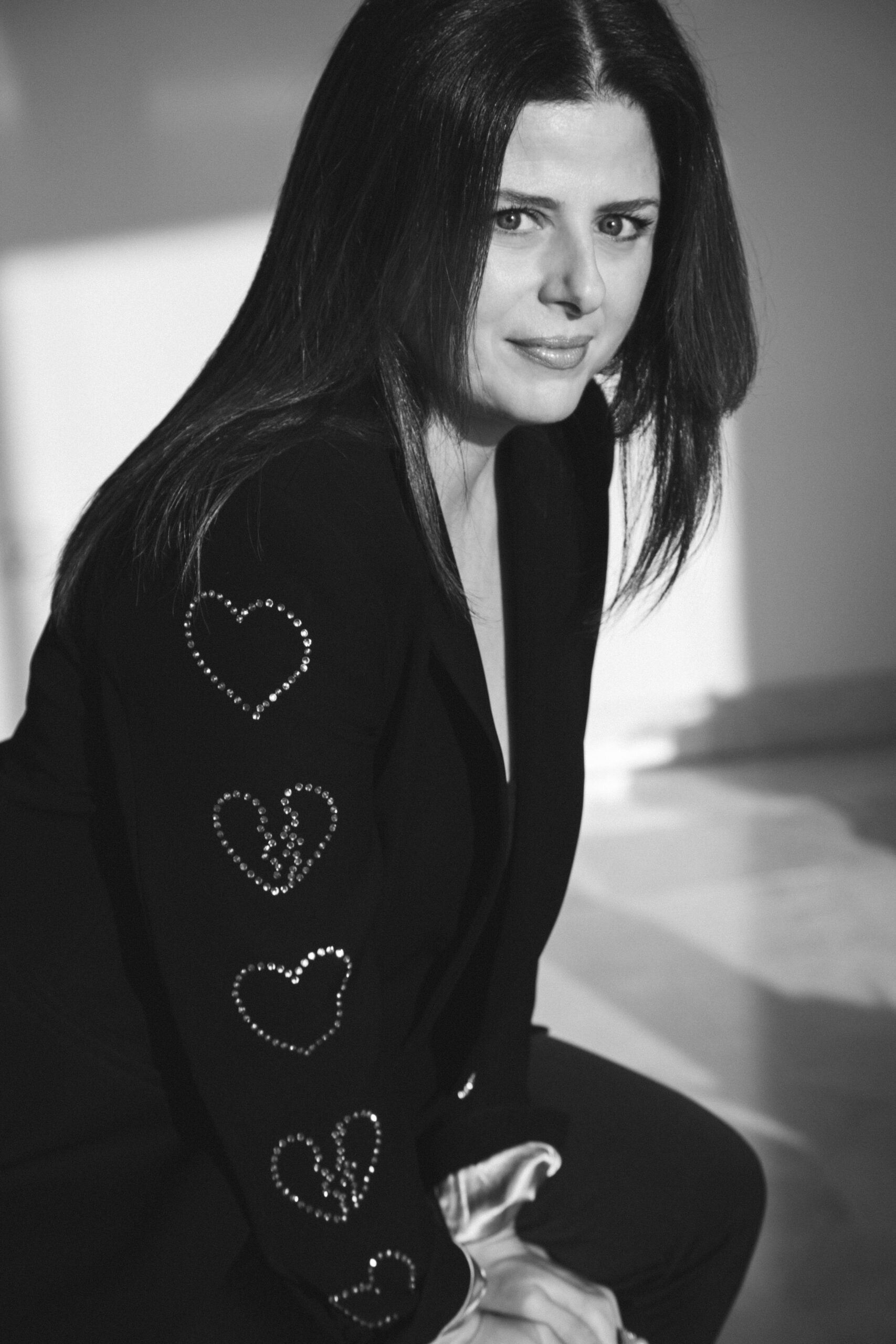
Nathalie Handal has lived on four continents. She is the author of ten award-winning books, translated in over fifteen languages, including Life in a Country Album and The Republics, winner of the Arab American Book Award and lauded as “one of the most inventive books by one of today’s most diverse writers.”