Bar Poem

By TARA SKURTU 

margarita

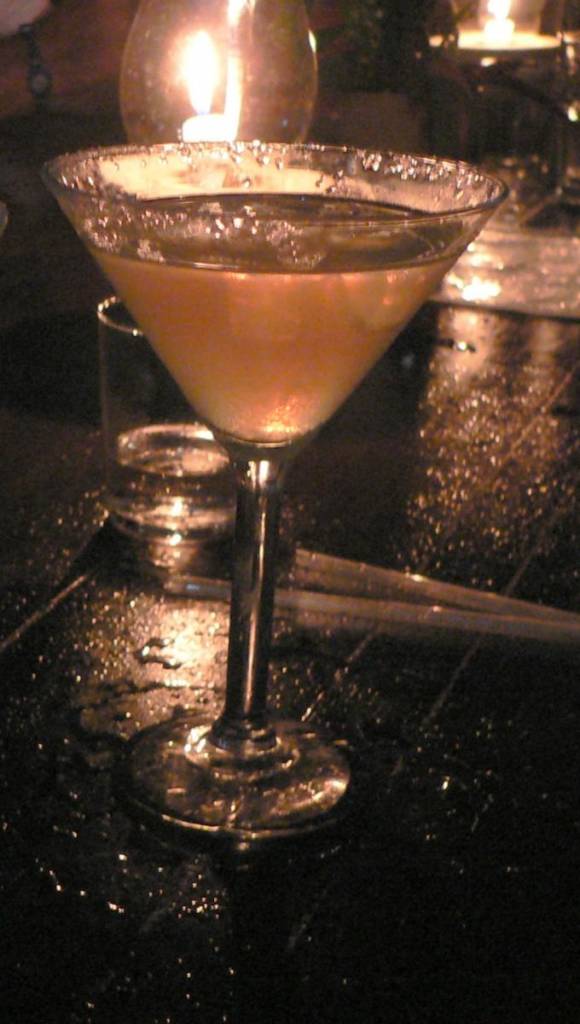
I’m here on the patio, no appetite,
drinking a salty margarita. I feel
my liver, ignore it like last night’s
glass of water. I’m tired of writing
you down when I should be writing
poems about place. Dusk hits beyond
the man playing the red accordion
on the corner, and the strays of Iași
bark out a score backed by dissonant
frequencies of the evening bells.
This morning I took a walk and found
a noseless man pumping gypsy love songs
on his accordion. I stared into the holes
of his face and thought about the girl
with the green ribbon around her neck.
Had you read the story backwards,
we might not have lost our heads.
It’s late. What time is it?
I ask a poet who isn’t you.
There’s time enough, he says.

Tara Skurtu teaches Creative Writing at Boston University, where she received a Robert Pinsky Global Fellowship and an Academy of American Poets Prize.


From the beginning, The Common has brought you transportive writing and exciting new voices. We are committed to supporting writers and maintaining free, unrestricted access to our website, but we can’t do it without you. Become an integral part of our global community of readers and writers by donating today. No amount is too small. Thank you!

Bar Poem

Related Posts

Two Poems by Dalia Taha, translated by Sara Elkamel

DALIA TAHA
All we own are our lips / and the pupils of our eyes—the car / will plow into all of this. / And still, life is far too complex / for words like victory or defeat. // Life is Salma on the balcony / moving plants to bigger pots, in her eyes / the settlement’s lights. 

Headshot of Brionne Janae

September 2026 Poetry Feature

BRIONNE JANAE
did you keep your mind? / you got to walk it for yourself / and on returning what state did you find it in? / as in what state were you in? / were you where you left yourself? / and who was left? / was anyone left? / and how sure were you that you could reach them?

Cover of Dear Mothership

August Poetry Feature

ELLEN HINSEY
Never forget: the Tyrant time reached others before you—they too weathered the deluge of its tempest-strewn path. For Tyranny always imagines it will write history. But, time and again, it is Justice that will arise, then bow down to write—the history of Tyranny’s demise, instead.