Issue 32 Fiction

Hyena Boys

By SAMUEL KỌ́LÁWỌLÉ

1

The hyena boys came to Bonaventure, which was serendipitous, because he was used to avoiding the world before the world spurned him. For one, his white albino skin flecked with dark spots made him a regular target of mockery. When Bonaventure was younger and his father was around and could barely afford to send him to school, his peers often taunted him to come outside in the midday heat. They dared him to come to the playground without squinting, one palm raised to block stray sunlight. They likened him to a pillar of butter melting in the sun. They asked if he was a vampire banished to the shadows.


Hyena Boys
Read more...

Laila

By ALLYSON NOMAN

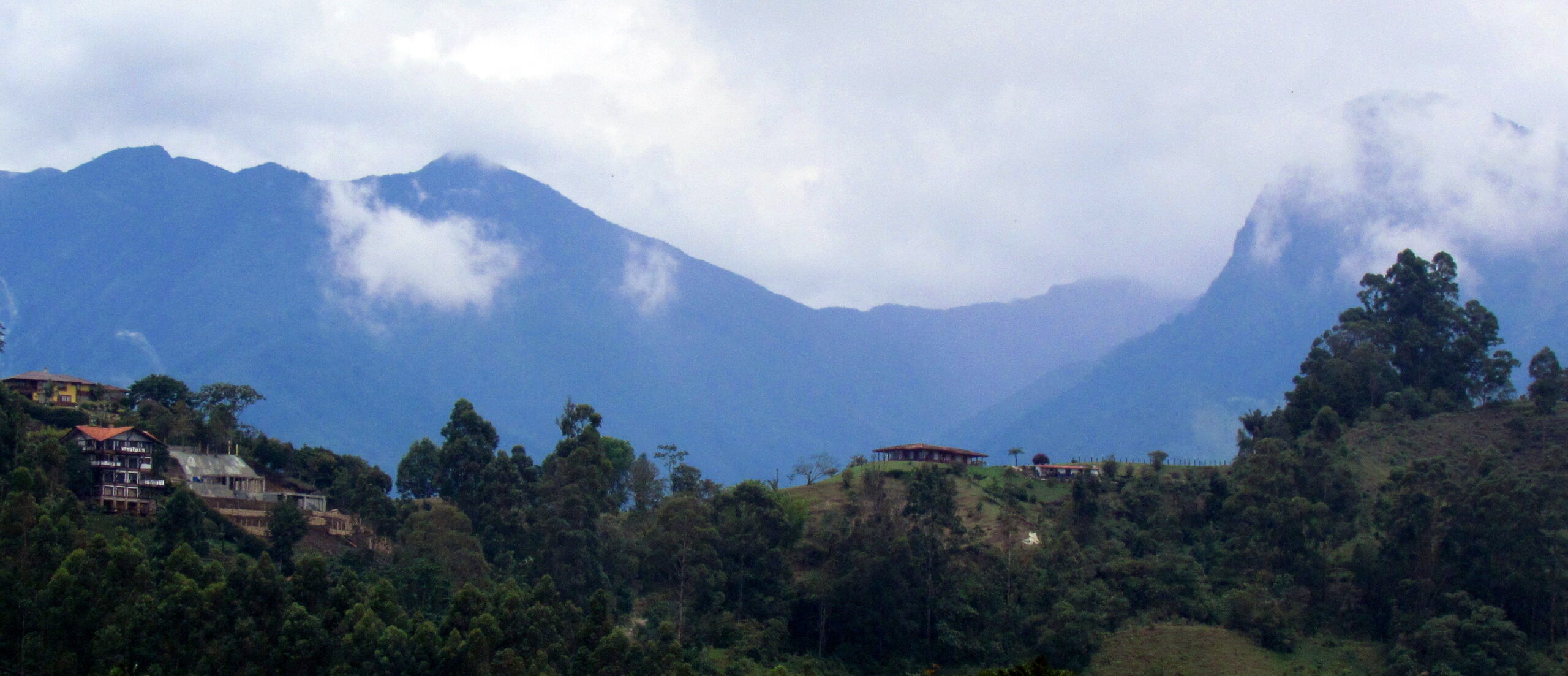
Things have taken a strange turn since my husband uprooted our family. First I quit my job. Then I stopped eating. And now I’ve begun to receive messages from the dead.

Four months ago, we moved from rural, pastoral Northern California, a place I loved, to southwest Virginia. Over the summer, smoke from the West Coast wildfires has followed us, traveling east across the country, shrouding the Blue Ridge Mountains in a haze made heavier by humidity. I like to look out the window, air purifiers humming behind me, and watch the microscopic remnants of home suspended in air, thinking they’ve been sent here just for me.

Laila
Read more...

The Department of Home Economics

By HANNAH GERSEN

On a rainy morning in late August last year, I stood beneath a wedding-sized tent to observe the Sixth Opening Convocation of the West Virginia School of Home Economics. It was a humid day, and the smell of wet, freshly cut grass mingled with the perfumes of the young women who surrounded me. I was a guest of Sophia Chafin, keynote alumna speaker. She sat on a small wooden stage with her six-year-old daughter, Riley; her two-year-old son, Taylor Jr.; and her husband, Representative Taylor Chafin. Sophia, clad in a floral dress, held Taylor’s hand as the school’s co-founder, Andrea Armstrong, introduced her, describing her as “one of WVSHE’s greatest success stories.”  

The Department of Home Economics
Read more...

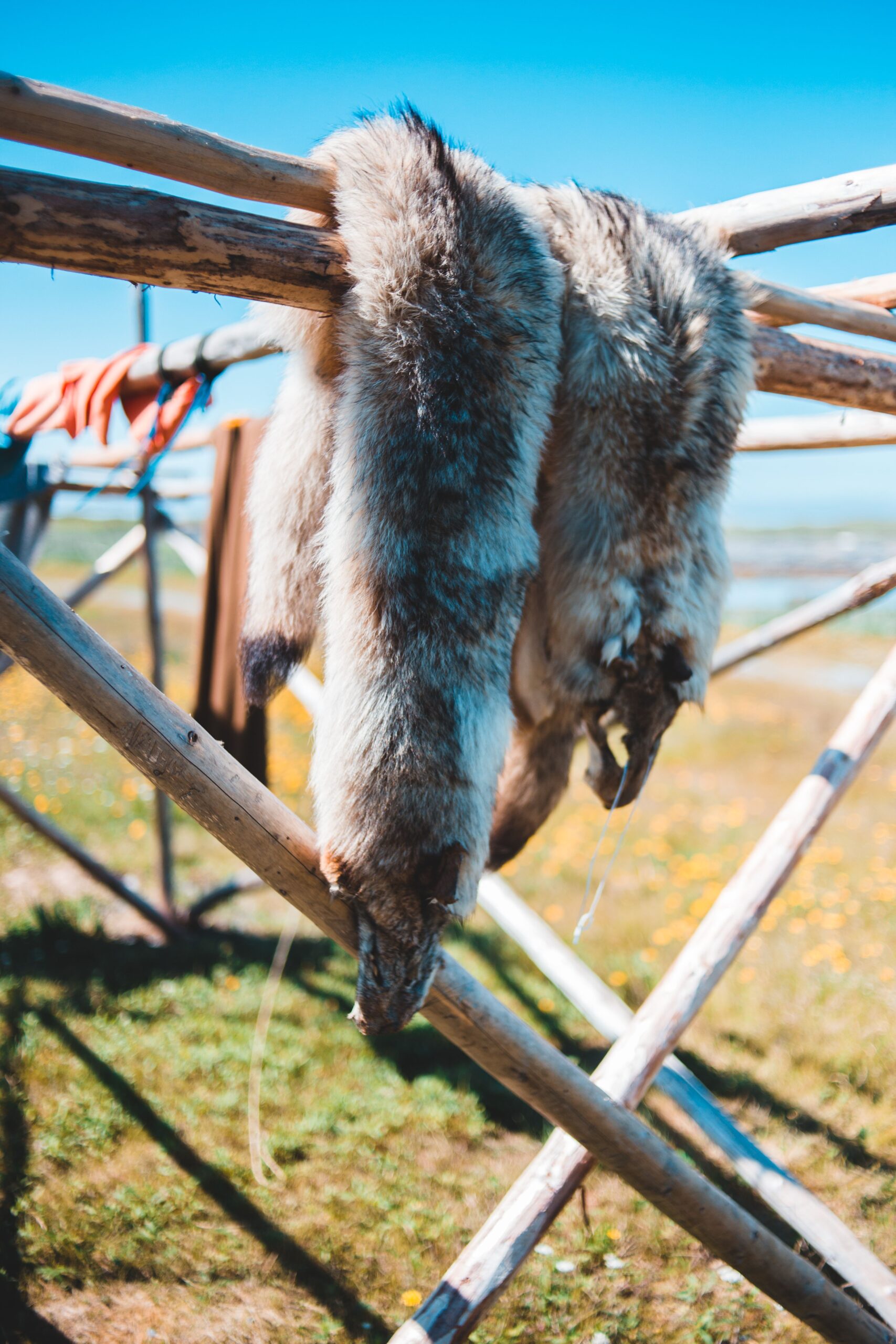
Good Little Fox

By KAROLINA LETUNOVA                                                       

It’s minus forty outside, and on Baba Lena’s glassed-in balcony the towels have dried stiff and I stand them up on the couch like snow cranes flying north and breathe in their frozen freshness. On a warm winter day of minus twenty Celsius, we could go buy ice cream. Rita wanted to come to Baba Lena’s too, but she is in the hospital. When we have a cold, mama makes us breathe hot steam from boiled potatoes, but Rita leaned too close and scalded her throat and her voice is gone and it hurts so much she can’t even swallow.

I would happily trade places with her if I could have Aleksey as my best friend.

Good Little Fox
Read more...

Wild Aster

By ANNA HOGELAND

1910

Ida Smith lived on a large farm near the south shore of Lake Erie, a lake she believed was the ocean when she was very young, because the shore was sand and all she could see was water and water and she didn’t yet know the sea smelled like salt. 

Wild Aster
Read more...

Guava Paste

By DAVID SERAFINO

Gustavo’s cinder block bungalow has no windows, so he’s surprised when he steps out at half past dawn to find a man in an olive uniform digging post holes for a semi-assembled fence scattered in the dusty yard. The soldier stands, puffs his chest, and dusts off his brass buttons. He is young, tall, and handsome—some proud mother’s son. Gustavo is old, bent, and ugly as the day he was born. 

Guava Paste
Read more...

This is How it Begins

By ELVIS BEGO

Brunch nearly over, talk getting punctuated by lulls, her mother, trim and elegant in her pastel widowhood, letting father go so easily, it seems to Josephine, now asks her if she is thinking about a child.  

“No,” comes the answer, but too quick, too reflexive. It’s too late to take it back, but she makes the attempt anyway, and says, “Well, it occurs to me now and then, but Ismar, you know….” She doesn’t finish the sentence, and her mother knows to look away to give her time to change the subject, which she doesn’t. Instead she says, “I will, of course, have to think about it, if it is ever to happen.” 

This is How it Begins
Read more...