
Crescent City

By MAURICE EMERSON DECAUL

For Lauren Cerand

In my room overlooking
the Mississippi a voice tells me: in my city we bury
our dead above ground a voice whispers
not to lean against
windows not to pry open the window

I half expect to see a phantom
A voice in my head has been saying
the building you’re looking at
was once a slave market

I don’t know if this is true
but she says it
again softly

I am transfixed by four crosses
on the façade a southern
Golgotha Mississippi serene
& swift prepares for drowning season

I may never leave this place
whether it will pull me
back whether it will pull me
deeper whether I even
want to resist

only the kudzu creeping from roof to window
to roof has fidelity with self
has a knowing
will overwhelm this city

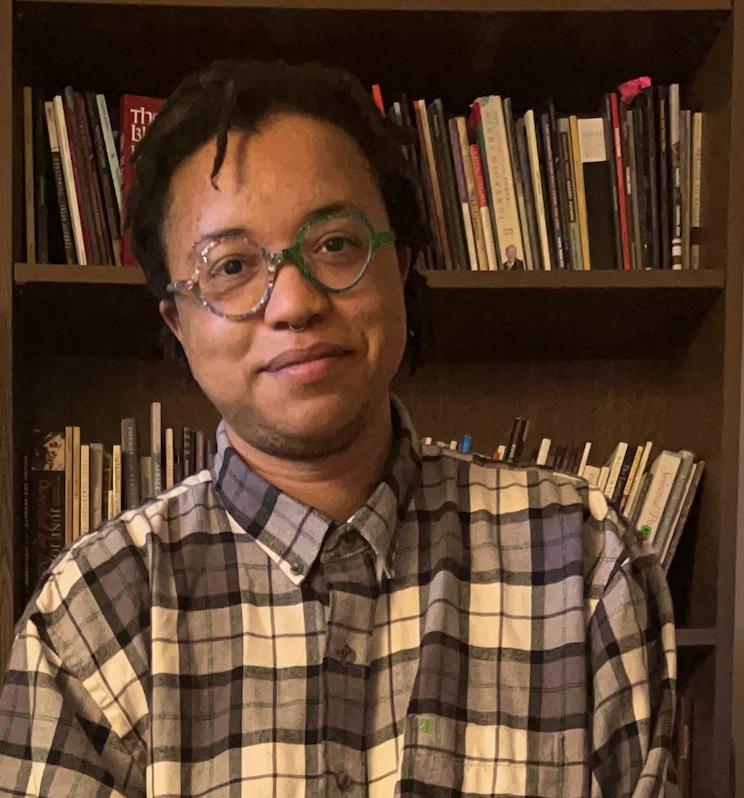
Maurice Emerson Decaul is a poet, essayist, and librettist. He is a graduate of Columbia University and New York University. He is working towards his MFA at Brown University.

[Purchase your copy of Issue 10 here.]
From the beginning, The Common has brought you transportive writing and exciting new voices. We are committed to supporting writers and maintaining free, unrestricted access to our website, but we can’t do it without you. Become an integral part of our global community of readers and writers by donating today. No amount is too small. Thank you!

Crescent City

Related Posts

Caribbean picture

Self-Portrait in The Caribbean

PAOLA ASSAD BARBARINO
Sometimes I am emboldened, / I decide to stand in the people’s balcony / I decide it is Maundy Thursday I decide to place a priest behind me that can speak to the people behind / my back / I decide to put out the fire and light my throat / scream

Feltspade

ELIAS SADAQ
I serve out my conscription / sleep in a bunk bed / for four cold months / in the engineer regiment at Skive Garrison / in a room with three other men / I fuck the colonel / the only sign that time is passing / is a pile of snow outside the window / that grows smaller

Book cover of Fifty Mothers

Mother is a Kind of Holding: Jenny Qi interviews Preeti Vangani

PREETI VANGANI
With vignettes, I could plumb its narrative arc to become a force propelling the book forward. It also felt haunting yet warm that the mothers kept reappearing throughout the life of this grief. That repetition created a chorus of voices that angers and despairs, yet cradles the speaker.