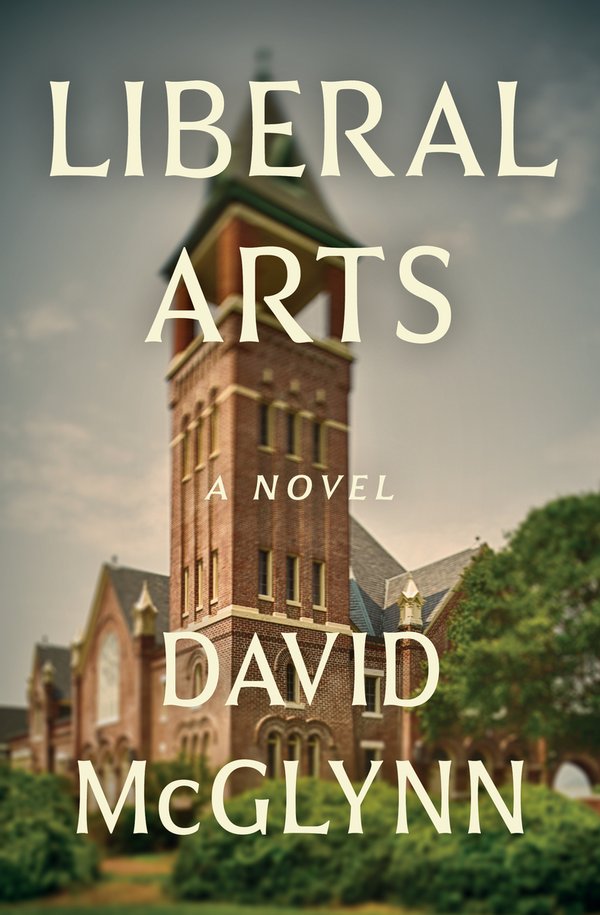
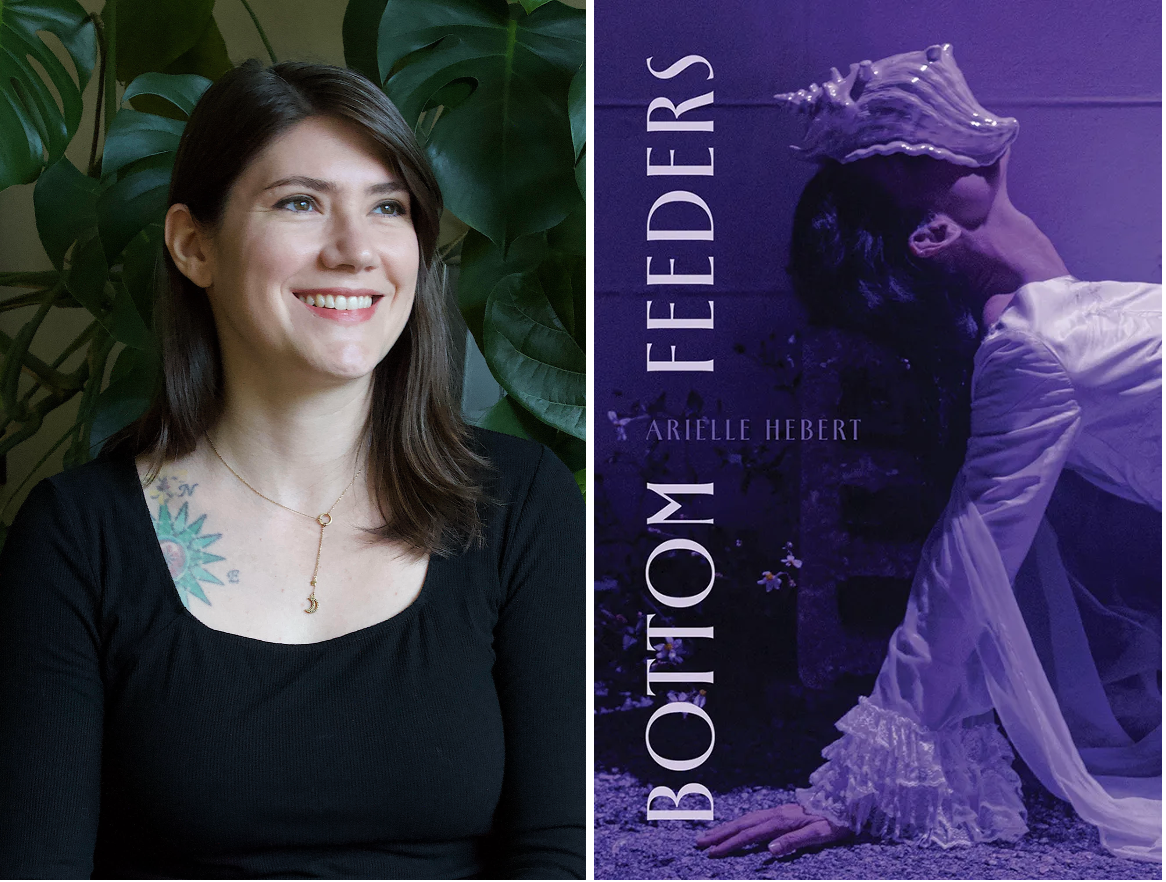
This month we bring you three poems selected from Bottom Feeders by ARIELLE HEBERT, forthcoming from Black Lawrence Press.
TOC:
—“Elegy for Florida”
—“Red Tide”
—“The Dead Layer”
Elegy for Florida
Almost everything they said about her was true.
Even the bad things.
Especially the bad things.
She began reaching for the water
and never stopped reaching
until she became
an extension of water itself,
her delicate arm just begging
to be snapped off from the panhandle.
She never cared for reputations,
shallow judgments of tourists and what they jotted
on postcards to friends and family
living in colder climes, the unwritten arrow
of envy shot back in reply.
They all had to see her for themselves.
See if her sunsets lived up to expectation,
and, of course, they did.
She hated to disappoint anyone.
I loved and hated that about her.
Toward the end, silence came
in long waves between us,
but once in a while, out of nowhere,
she’d call and we’d talk for hours.
That’s how she made you feel.
Like when you strike a match,
for a moment you’re touching fire.
Loving her could be frightening.
And she loved that.
She loved being
a stage, showing off, bright costumes.
She was a star
reveling in the light of the sun,
another star.
How many of us here dreamed of her,
and she suspended our dreams
above her bed, to slowly turn
in space while she slept.
I wonder now if she dreamed—
she must have.
I should have asked.
Red Tide
Home again at the water’s edge,
palms dancing in salt breeze.
I take a too-deep breath
and the air prickles my lungs
like an unfiltered cigarette.
Only the tourists are swimming,
coughing through the algal bloom,
eyes bloodshot and skin burning.
They were promised paradise,
the nation’s most beautiful beaches.
They float on their backs,
brush away fish heads bobbing in the waves.
Thousands of bodies surrendered ashore,
bloated meat the crabs crawl over,
the birds won’t touch.
Soon this land will slide into ocean,
into the belly of the great angelfish,
our footprint diminished to
an oil slick on the surface.
I sing an aria from the bridge,
a song from before the crystal blue bay
turned to rust. I tried once
to banish myself from this place,
but I can’t keep blinking back
the memory of home, the way
the sun gets into the arched ceilings
of my eyes and stays there,
halos of light sparking in vaulted caverns,
distorting my view, how I see everything.
The Dead Layer
Ten years after Florida and I can still remember that girl,
burning in alchemical fire, joy hungry. She never dreamed
she’d outlive leaving home. But here I am.
In oil painting, you must first paint the dead layer.
Unseen foundations, lumps and scrapes for depth and texture.
And I took such care with my dead layer, thought
I’d live my whole life there. But it’s been ten years.
My winter skin has lost its tolerance for sun.
Visiting home is a training exercise in breathing underwater,
and I was never the strongest swimmer. Meanwhile,
I’ve met mountains. Seasons. True hearts.
I curve the palette knife loaded with paint, layer after layer.
For pines and hemlocks, for diving into the Eno quarry sinkhole
and floating down the Haw River with my love.
For October’s pumpkin patches and February’s daffodils.
Summer’s green veiling our nearest neighbor.
Now I know. The chroma, the brilliance.
None of it could have happened without rowing in the channel
under the one-lane bridge at Blackburn Point, without Banyan trees
or hibiscus flowers, without those early parties on 39th Street
and the fights at Bayshore, without chain smoking grief
away in the side yard, and loving people at the wrong time,
without sunburns and oranges, all the blue hours,
low tides, crushed white moonshells underneath.
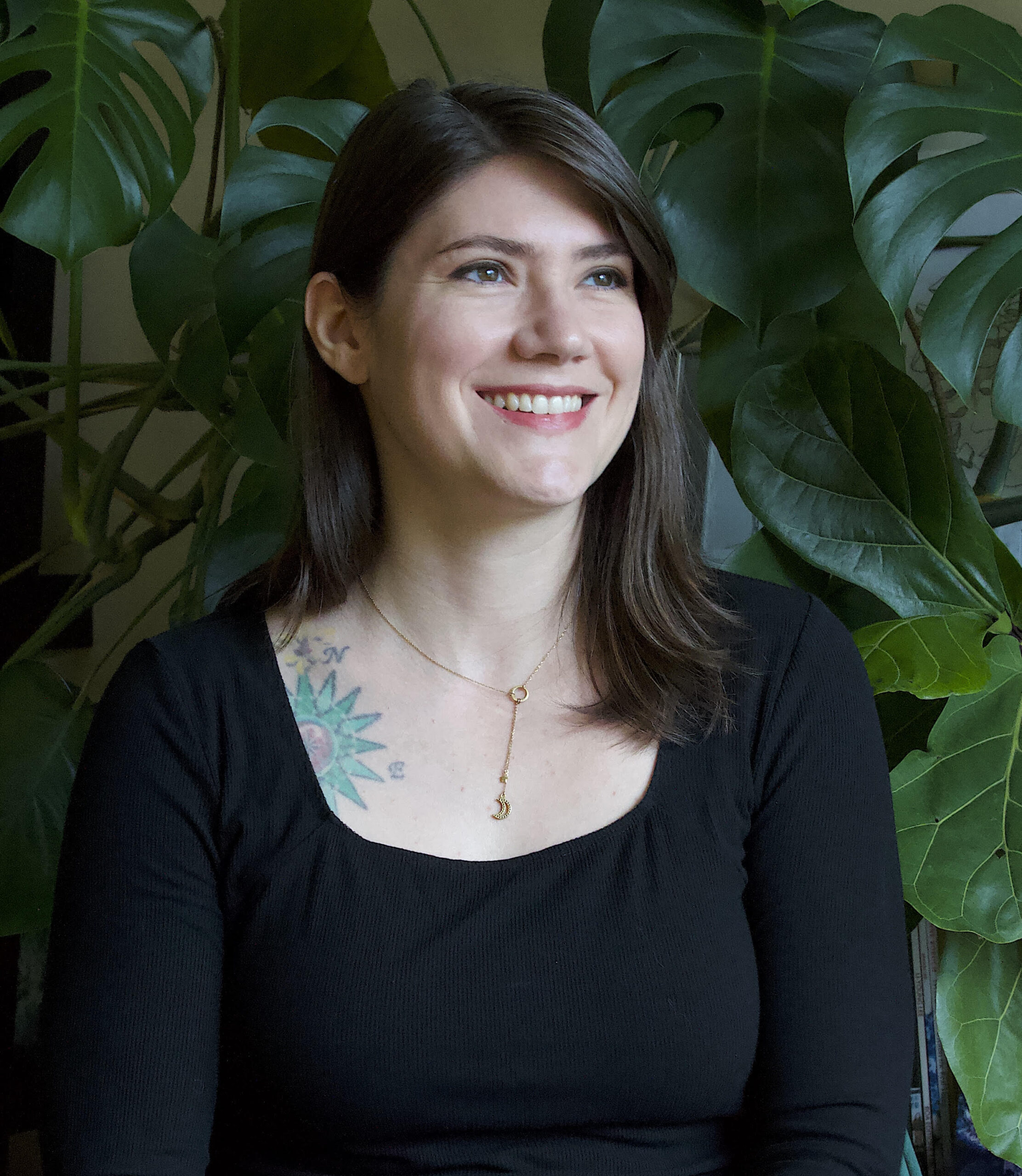
Arielle Hebert is a queer poet based in North Carolina with roots in Florida and Louisiana. Her debut poetry collection, Bottom Feeders, was a finalist for the St. Lawrence Book Award and is forthcoming from Black Lawrence Press in June 2026. She holds an MFA in poetry from North Carolina State University.