Photo courtesy of the author.
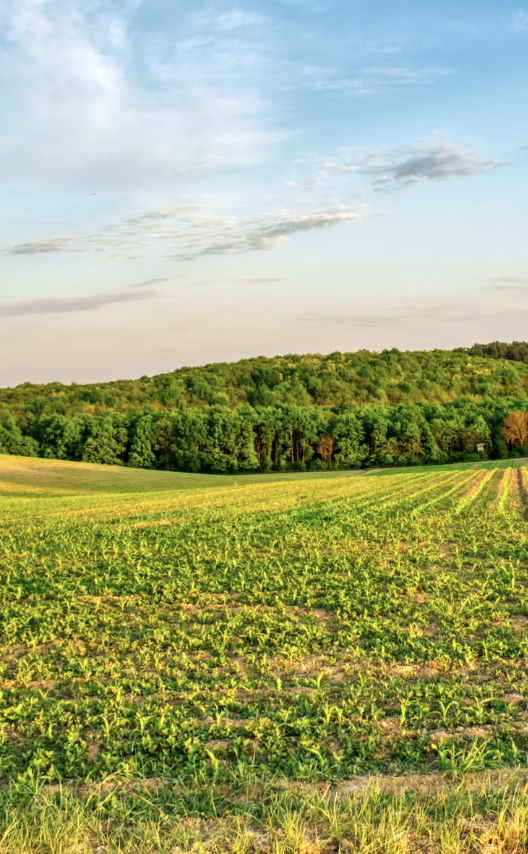
Medicine Lake (Sáttítla Highlands National Monument)
The highway is nearly empty;
the mid-June air still crisp.
There is snow on the roadside,
to the west are fire scars.
If I slowed the car, I might relax into
grief. But I am lost.
Absent paper maps, I surrender
to a wait for anyone to orient me.
California tortoiseshell butterflies,
orange and abundant, have no interest
in my needs. Two trucks pass. Lumber
thirst. We are the destroyers.
On the summit, in the caldera,
I enter the silence of bumblebees and
dragonflies, sparrows, eagles, infant moths.
At night, in the darkest dark,
the Milky Way. Here
I want to not want so much.
The water level is high this year.
I meet a woman who walked the perimeter
two years ago. Now her granddaughter
scoops tadpoles into a cup. Fat and
ready to transform. Among homelands and
headwaters, I mourn the lost too early,
await the loss to come.
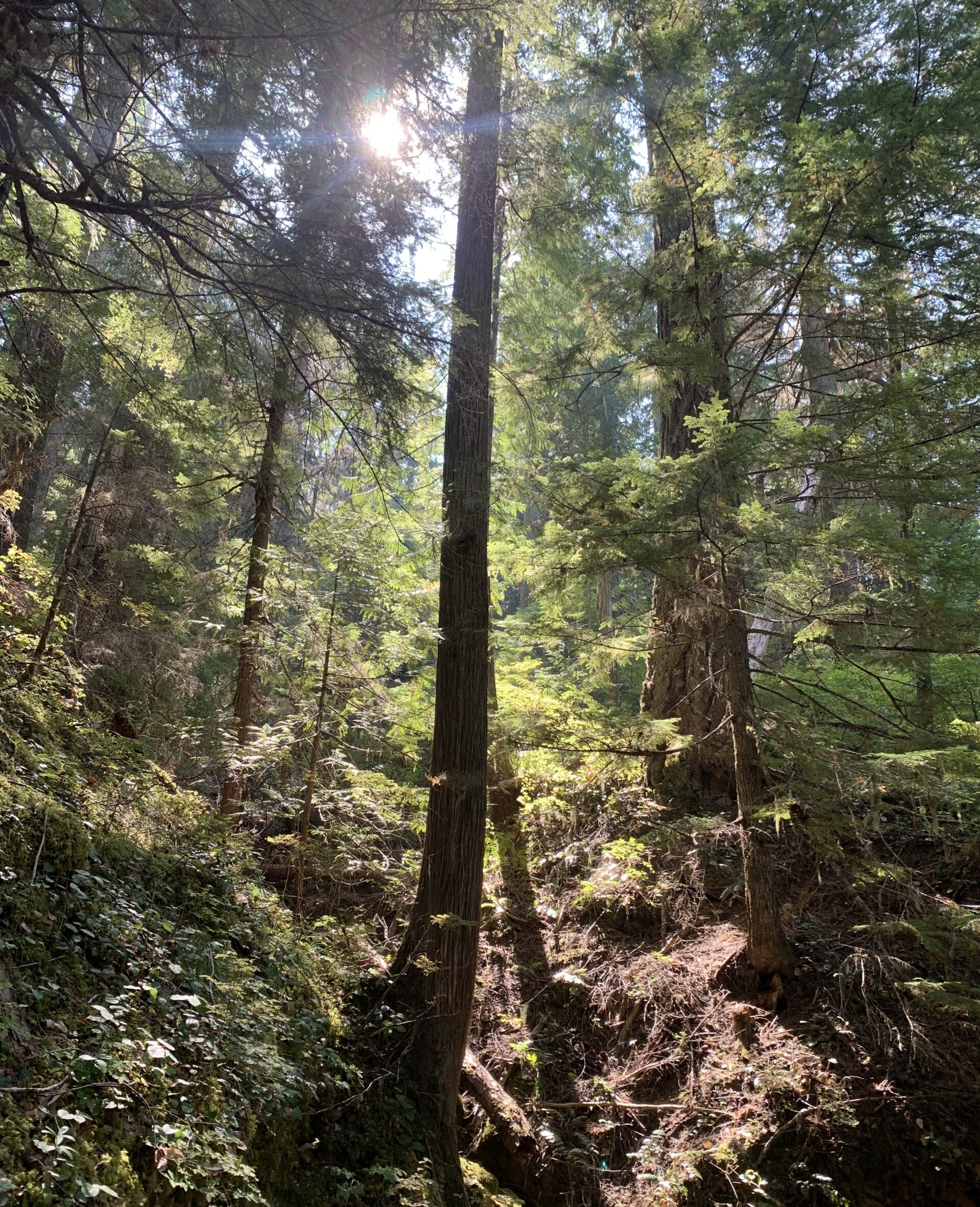
How to Avoid Extinction (Gifford Pinchot National Forest)
Ready to help strangers, like me,
stranded on this highway,
tire spun from rim,
no reception, no companion.
***
After a new tire and before my hike, I go to a restaurant in a small mountain town. Our server is originally from Jalisco. She sneaks me some of her family’s mole. We share its bittersweet spice.
***
We are a curious animal.
Oblivious to the ripe and ready
red huckleberry, oval-leaf blueberry,
red cedar needle medicine,
waiting to heal us.
***
This forest is named for the first head of the National Forest Service, who warned of assuming natural resources were inexhaustible, who said without conservation we pay the price of misery, degradation, and failure, who asked if these resources were for the benefit of us all or for the use and profit of a few? He was also a leading eugenicist.
***
We are a curious animal.
Happy, on trails, to share
fire updates (smoke to the east),
road conditions,
precious water.
***
Later, I will drive past signs and flag for the president, campaign posters for men running on “America First.”
***
We are a curious animal.
So intent to rush our own demise
while the hemlock and fungi
listen and nourish
each other.
Heather Bourbeau’s award-winning poetry and fiction have appeared in The Irish Times, The Kenyon Review, and The Stockholm Review of Literature. Her writings are part of the Special Collections at the James Joyce Library, University College Dublin, and her latest poetry collection, Monarch, examines overlooked histories from the US West (Cornerstone Press, 2023). She is currently working on a poetry and essay collection about US national lands at risk of losing their protections.