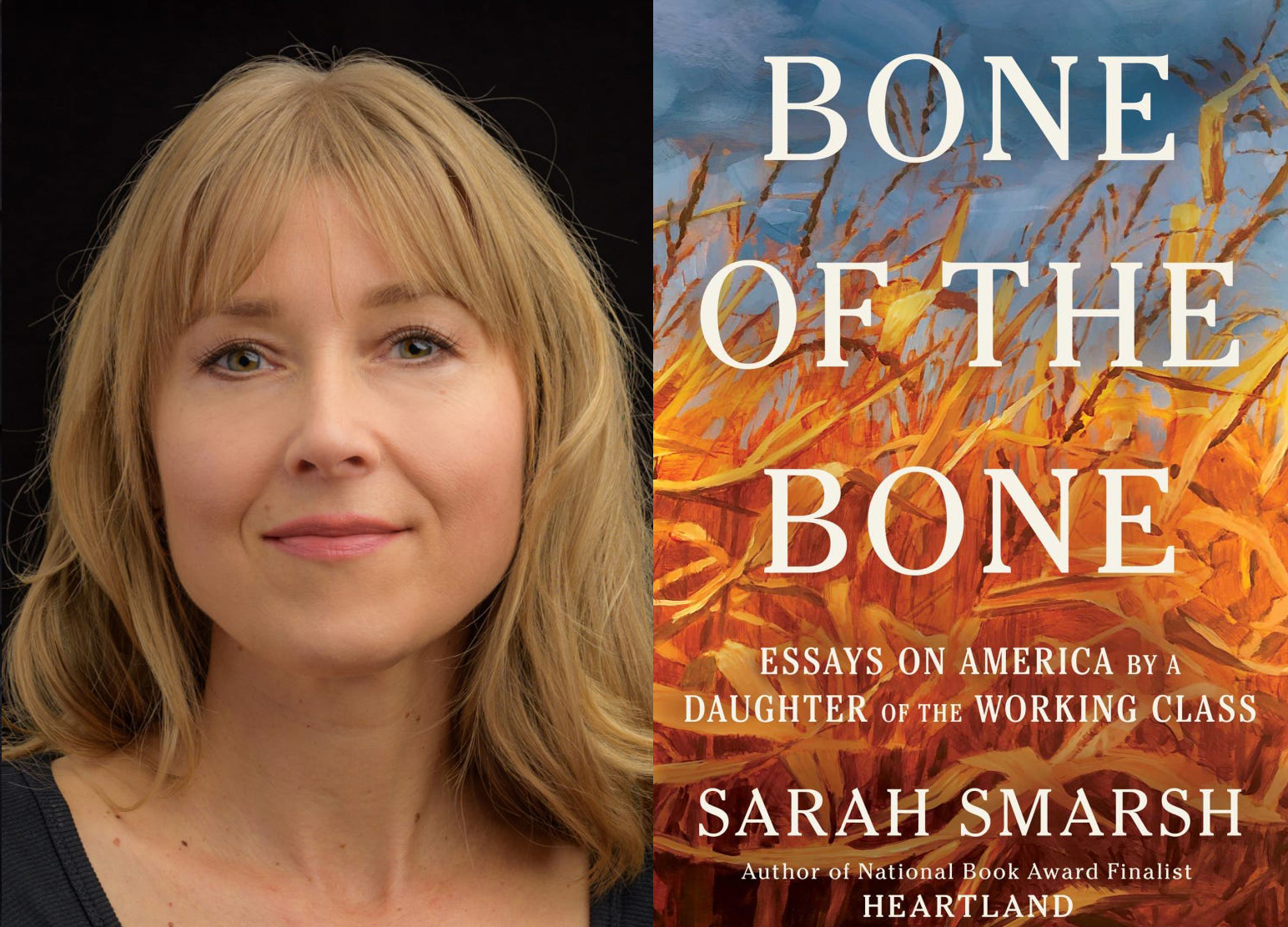


National Book Award finalist SARAH SMARSH speaks to managing editor EMILY EVERETT about her career writing memoir, essays, and journalism centered on the experience of the rural working class in the US. Her essay in The Common’s fall 2014 issue, “Death of the Farm Family,” became part of her 2018 book Heartland: A Memoir of Working Hard and Being Broke in the Richest Country on Earth, which became an instant New York Times bestseller, was shortlisted for the National Book Award and the Kirkus Prize, and named on President Barack Obama’s best books of the year list.
Smarsh discusses her most recent book, a collection of essays from 2012 to 2024 titled Bone of the Bone: Essays on America from a Daughter of the Working Class, out this fall in paperback. The conversation ranges from what the media gets wrong about working class Americans to how our understanding of and interest in talking about class and access has changed since the early 2000s. Stick around to hear how Smarsh manages the dual identities of rural Kansas farm kid and nationally recognized writer-commentator on class and culture, and hear what she’s working on next.
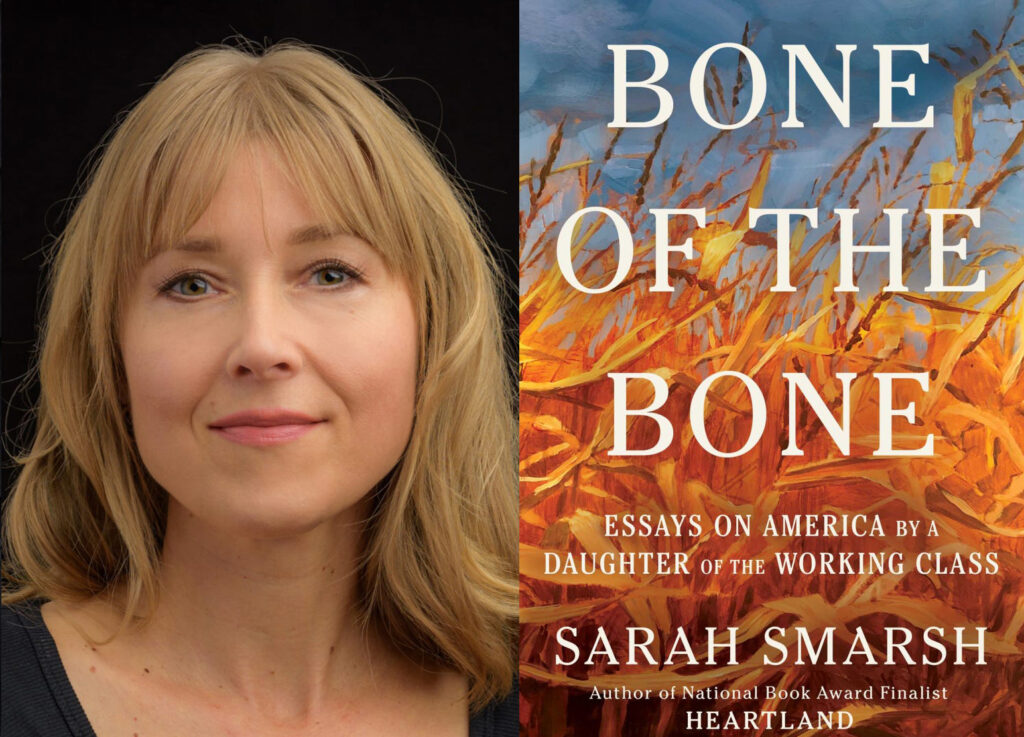
Born a fifth-generation Kansas wheat farmer on her paternal side, Sarah Smarsh is a journalist who has reported for the New York Times, Harper’s, the Guardian, and many other publications. Her 2020 book She Come By It Natural: Dolly Parton and the Women Who Lived Her Songs was a finalist for the National Book Critics Circle Award. She is a frequent political commentator and speaker on socioeconomic class. A former writing professor, Smarsh has served as a Shorenstein Fellow at Harvard University’s Kennedy School of Government and a Pritzker Fellow at the University of Chicago Institute of Politics. She lives in rural Kansas, where she is currently at work on a book about the endangered tallgrass prairie ecosystem.
Read Sarah Smarsh’s essay “Death of the Farm Family” in The Common at thecommononline.org/death-of-the-farm-family/.
Learn more about her books and work at sarahsmarsh.com.
The Common is a print and online literary magazine publishing stories, essays, and poems that deepen our collective sense of place. On our podcast and in our pages, The Common features established and emerging writers from around the world. Read more and subscribe to the magazine at thecommononline.org, and follow us on Instagram, Bluesky, and Facebook.
Emily Everett is managing editor of the magazine and host of the podcast. Her new debut novel All That Life Can Afford was the Reese’s Book Club pick for April 2025. Her work has appeared in The New York Times Modern Love column, the Kenyon Review, Electric Literature, Tin House, and Mississippi Review. She was a 2022 Massachusetts Cultural Council Fellow in Fiction.