All posts tagged: issue 32

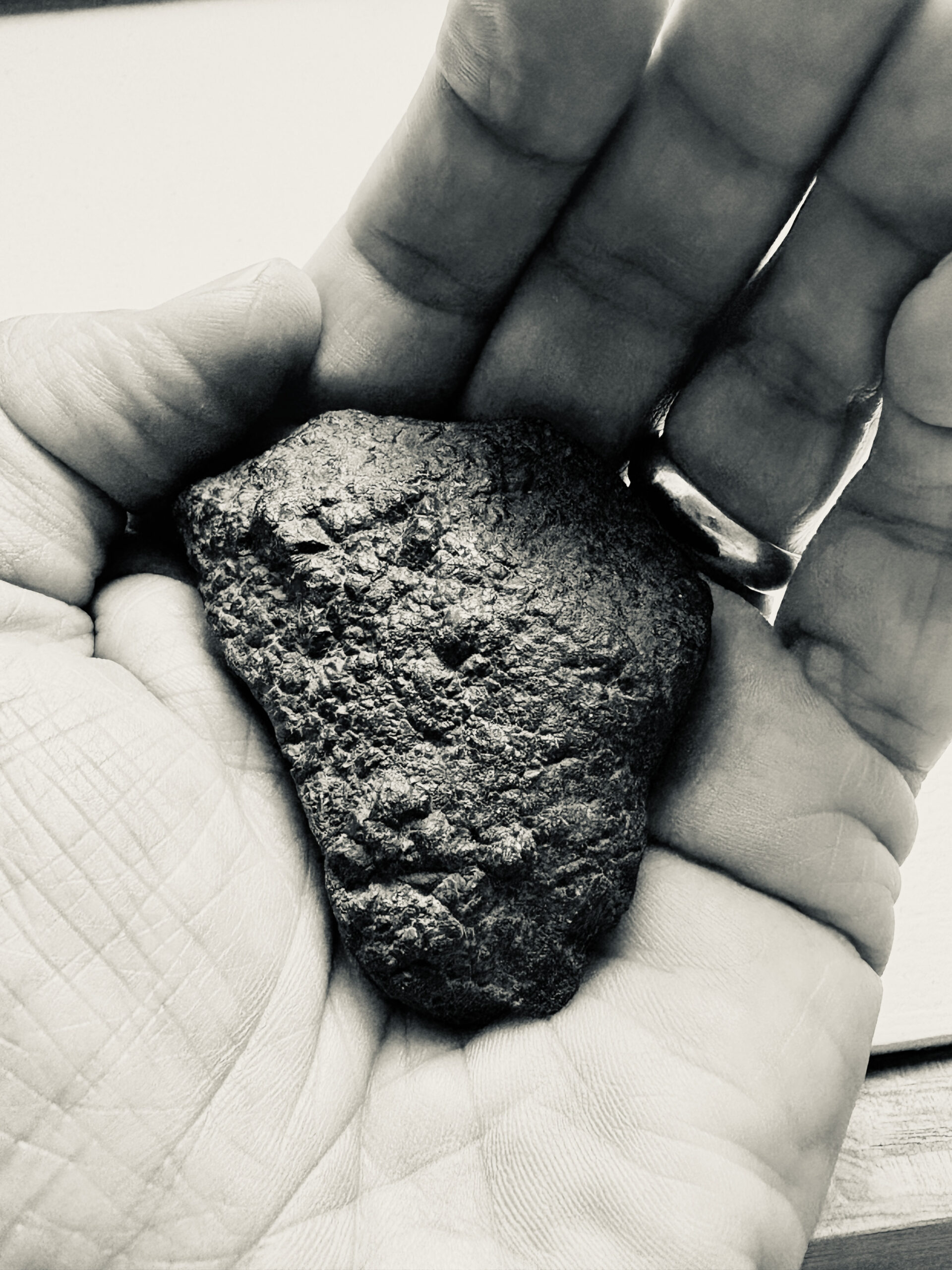
The Meteorite 

By JOHN POCH  

I try to wish the best for him, our rival. His lines which really amount to nothing, the phrases that his readers fawn over, “I’m here for it” or “What a time” or even single words he uses as lines like “Fair” or “Same” or “Cheers”… I shouldn’t let them get to me. He even rhymes Halloween/Thirteen in a sonnet called “Hell.” People have come to treasure the expected, lavishing praise on the nice and cute, but that is not poetry. Is there something else to it, or is it just a minor cult of personality, the same way cheerleaders are chosen? Those readers who believe in him are the ones who don’t believe in absolute truths so allow fiction in their nonfiction willy-nilly. Gossips, they know little poetry or even of poetry. They fancy themselves naturalists and italicize it. They are educators rather than teachers.
The Meteorite 
Read more...

Happy Birthday Marc Chagall 

By MATTHEW LIPPMAN

I gotta buy a cake for my kid.  
Some kind of ice cream jamboree from J.P. Licks down in West Roxbury.  
She’s gonna be 20.  
When you are a parent, you just keep buying cakes for your kids.  
You could be 80 and she’s 60  
and still you head on out to Carvel in New Rochelle, Webster Avenue,  
and get her the Fudgie the Whale 12-inch  
even if you have diabetes and two busted kneecaps. 

Happy Birthday Marc Chagall 
Read more...

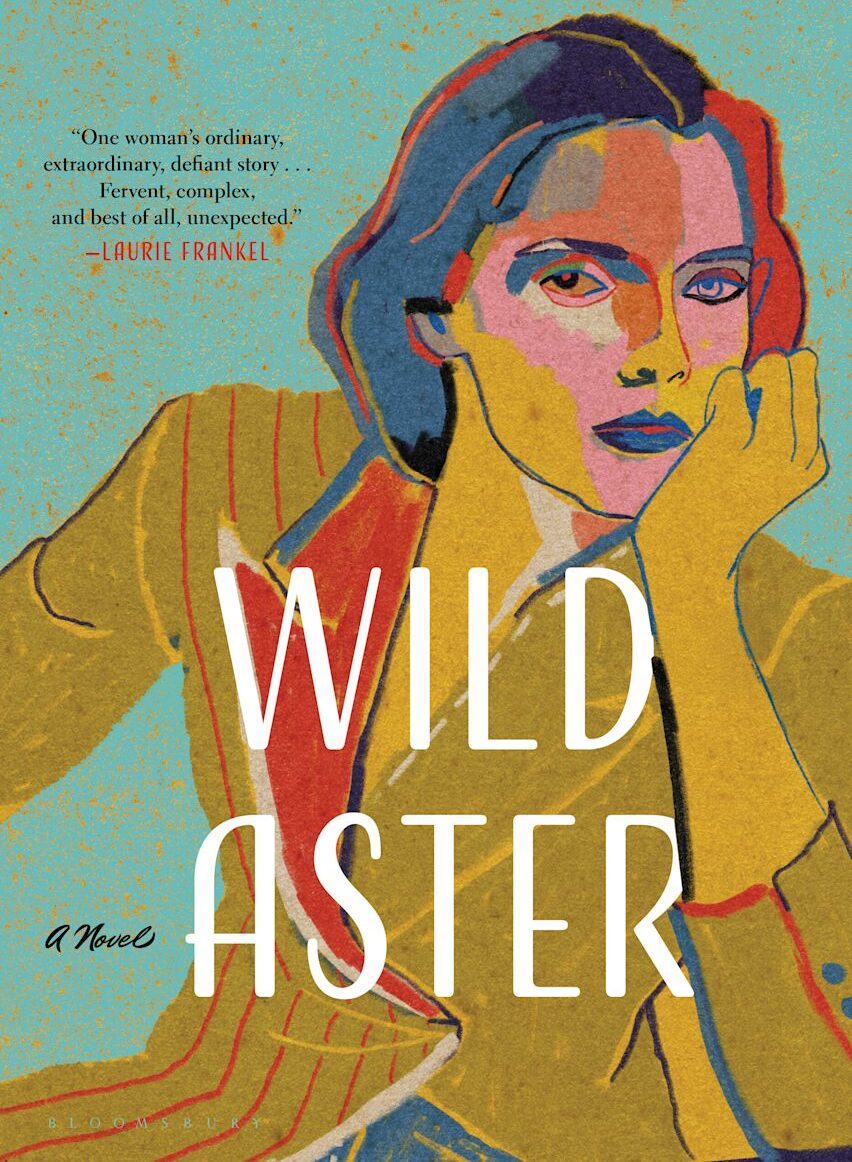
Wild Aster

By ANNA HOGELAND

1910

Ida Smith lived on a large farm near the south shore of Lake Erie, a lake she believed was the ocean when she was very young, because the shore was sand and all she could see was water and water and she didn’t yet know the sea smelled like salt. 

Wild Aster
Read more...

Guava Paste

By DAVID SERAFINO

Gustavo’s cinder block bungalow has no windows, so he’s surprised when he steps out at half past dawn to find a man in an olive uniform digging post holes for a semi-assembled fence scattered in the dusty yard. The soldier stands, puffs his chest, and dusts off his brass buttons. He is young, tall, and handsome—some proud mother’s son. Gustavo is old, bent, and ugly as the day he was born. 

Guava Paste
Read more...

A New Color in the Prism of Light

By JOANNE DOMINIQUE DWYER

       We had a quarrel, melee, detonation of hurt— 
fisticuffs of invisible disfiguration in the countryside of Spain. 
I slept that evening on a reclining lawn chair under the stadium of the sky. 
You stayed in the bed, roof overhead. The next morning you left  
in an economy red rental car for the village where you joined  
a Catholic procession, walked amongst men carrying a wooden saint  
above their heads down narrow cobblestoned streets and alleyways.  

A New Color in the Prism of Light
Read more...

This is How it Begins

By ELVIS BEGO

Brunch nearly over, talk getting punctuated by lulls, her mother, trim and elegant in her pastel widowhood, letting father go so easily, it seems to Josephine, now asks her if she is thinking about a child.  

“No,” comes the answer, but too quick, too reflexive. It’s too late to take it back, but she makes the attempt anyway, and says, “Well, it occurs to me now and then, but Ismar, you know….” She doesn’t finish the sentence, and her mother knows to look away to give her time to change the subject, which she doesn’t. Instead she says, “I will, of course, have to think about it, if it is ever to happen.” 

This is How it Begins
Read more...

Mark Us

By SHANE MORAN

Hiding at Stolly’s in the Marais,
I asked Sara, the Martinican bartender,
for a Cheap Blonde in English.

After a tap of glass on plastic, those six euros gone,
I watched the Rams and the Panthers
in the mirror cornered above the bar.

Mark Us
Read more...

Of Diverting and Diversions 

By BENJAMIN PALOFF

  We said a prayer for the rats and fleas as the plague abated. We laid a wreath for Justinian. The streets of London were no longer smoke-choked, just smoking, and Rome started to smell more like Rome. At least whoever remembered “before” said as much. In the last days of the plague, the days that followed the days that had been called “last,” we made a sport of showing up at restaurants where we had never been beautiful enough to get a table, just to see if people still ate at tables, or if the food tasted like anything. We appeared at the homes of our favorite people to see if they were around, too, or if they had changed, or if they could be unchanged. We moved slowly through the halls of near-empty museums, each of us indistinguishable from the art, to be touched only with the eyes from a safe Kantian distance. As the plague’s grip on our lives slackened, we slackened too, like a body pretending it can will itself back into sleep. We prepared for travel, arranged our documents, scheduled shots. We packed—clothes, books—and packed—the spider plant with all its apostles, anything that might spoil in our absence—and kept on packing. It didn’t matter that we had no idea where we were going. This time we would be more careful to leave none of ourselves behind.   
Of Diverting and Diversions 
Read more...