
Mark Us

By SHANE MORAN

Hiding at Stolly’s in the Marais,
I asked Sara, the Martinican bartender,
for a Cheap Blonde in English.

After a tap of glass on plastic, those six euros gone,
I watched the Rams and the Panthers
in the mirror cornered above the bar.

The man beside me was from Denmark,
and having heard my accent, his first words
were the Danes are under orders to shoot first.

His eyes seemed to reach out a hand asking
to arm wrestle. So, I shook it and gave him
my name. I showed him Virginia on a map.

Who here was the empire? My brown body
on that stool admiring the fingercoils
on Sara’s head and watching the playoffs?

Or was it Markus? ready to bite first at a bigger dog—
looking to play war in an expat dive,
neither of us having been to Greenland?


[Purchase Issue 32 here.]


Shane Moran is a poet and writer. He was shortlisted for the 2025 Vallum Chapbook Award and is a recipient of an American Poets Prize. A graduate of William & Mary, he studies at NYU’s Low-Residency MFA Writers Workshop. He divides his time between Richmond, New York City, and Paris.
From the beginning, The Common has brought you transportive writing and exciting new voices. We are committed to supporting writers and maintaining free, unrestricted access to our website, but we can’t do it without you. Become an integral part of our global community of readers and writers by donating today. No amount is too small. Thank you!

Mark Us

Related Posts

For the Love of Loons

JAMES K. BOYCE
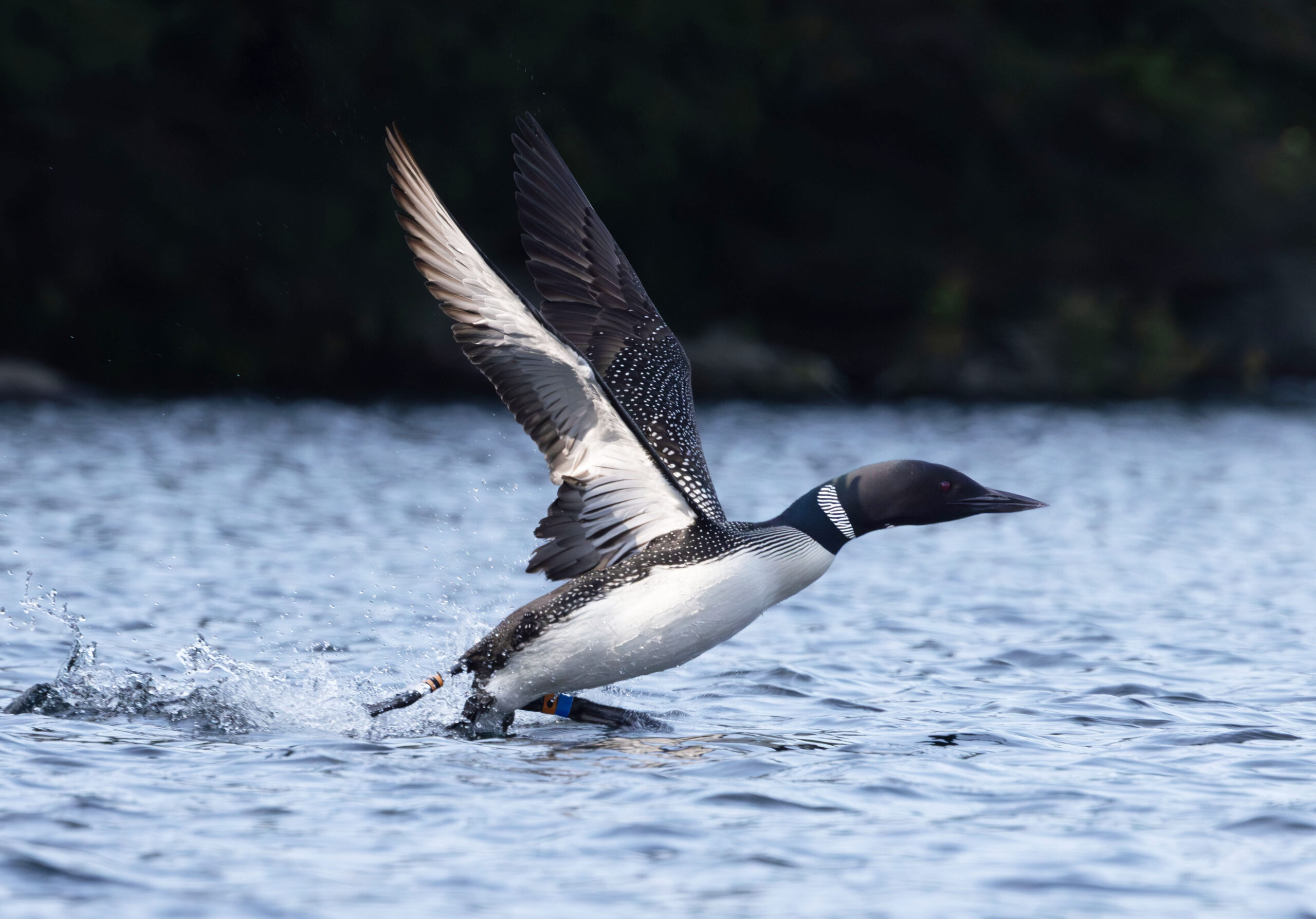
The human fascination with loons spans cultures and generations. For many who live in the north woods or spend their summers there, it has become a love affair. In 2025, the common loon was named “Bird of the Year” by the American Birding Association.

Headshot of Samuel Kolawole

Hyena Boys

SAMUEL KỌ́LÁWỌLÉ
The hyena boys came to Bonaventure, which was serendipitous, because he was used to avoiding the world before the world spurned him. For one, his white albino skin flecked with dark spots made him a regular target of mockery.

coffee with a spoon

If It Wasn’t for Heroin

AMIYA MORETTA
My Umatilla grandfather / who had one leg, lived down the road, / hobbled to her heroin loyally. / That’s how / my mom and dad, neighbors whose parents / were good friends and fellow addicts, / met as kids, played together / on Frieda Street, those mornings