Daily We Carry War in Our Pockets

By PHILIP METRES  

 —after “Environment for Three Overweight Parakeets” 


You thought you were seeking beauty 
 
in that plain, little box. Fixed your face 

to the aperture. Inside, a chaos 
of swimming through stones, doll arms cocked 

mid-crawl, poking above the ocean 
of rubble seething beneath. Where were they 

digging toward? What would we dig up?  
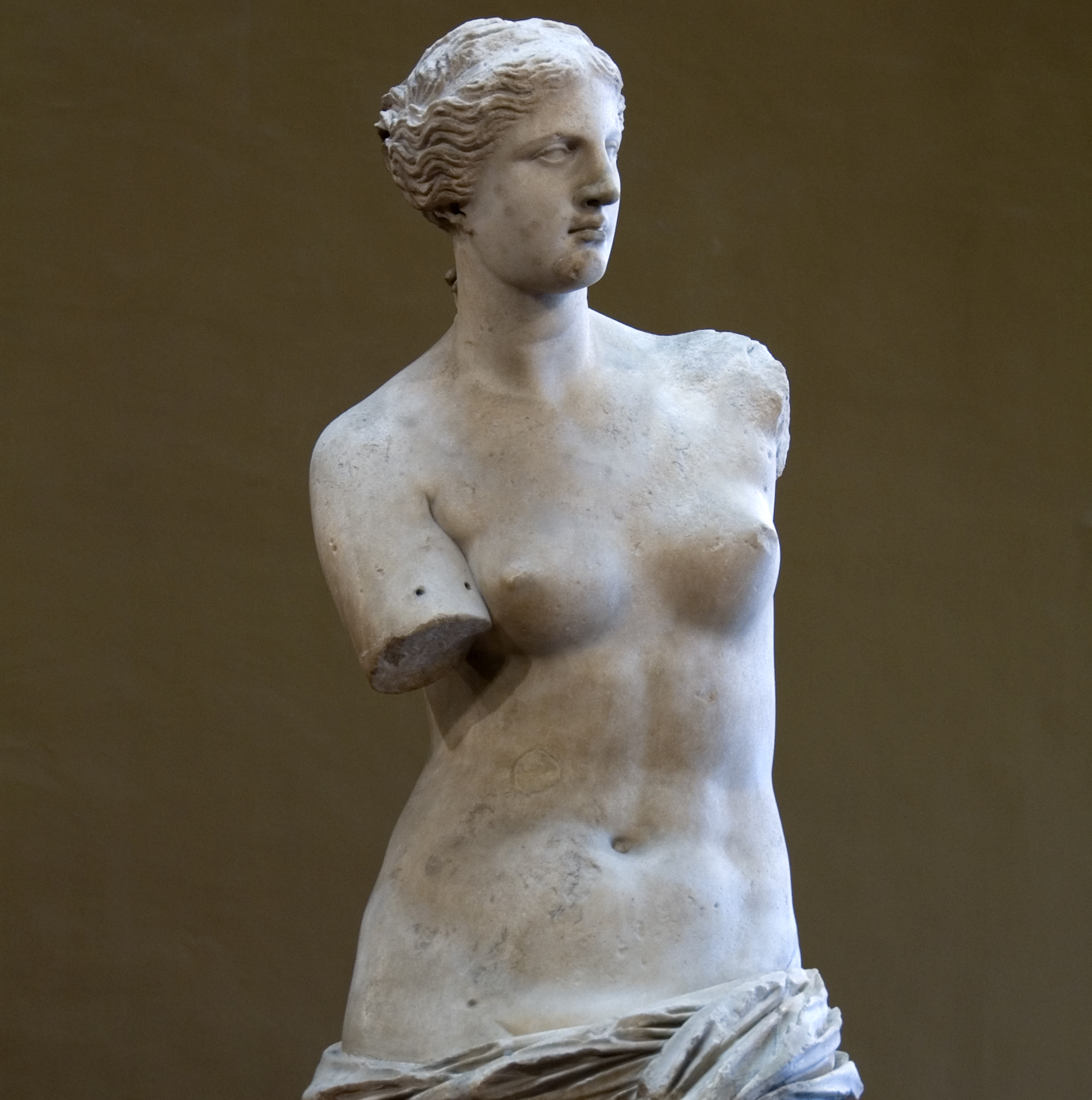
Yes, it’s true, a Venus De Milo hung  

above the field of baby arms  
but she remained a white silence above 

the slow-motion detonation. Now you see
the entire scene—the arms, the missing,  

rubble beneath, and a black mirror, where 
your own eyes 
                         regard you, silently.  


[Purchase Issue 32 here.] 


Philip Metres has written thirteen books, including Dispatches from the Land of Erasure and Fugitive/Refuge. Winner of three Arab American Book Awards and a Guggenheim, he is professor of English and director of the Peace, Justice & Human Rights program at John Carroll University, and faculty at VCFA MFA.
From the beginning, The Common has brought you transportive writing and exciting new voices. We are committed to supporting writers and maintaining free, unrestricted access to our website, but we can’t do it without you. Become an integral part of our global community of readers and writers by donating today. No amount is too small. Thank you!

Daily We Carry War in Our Pockets

Related Posts

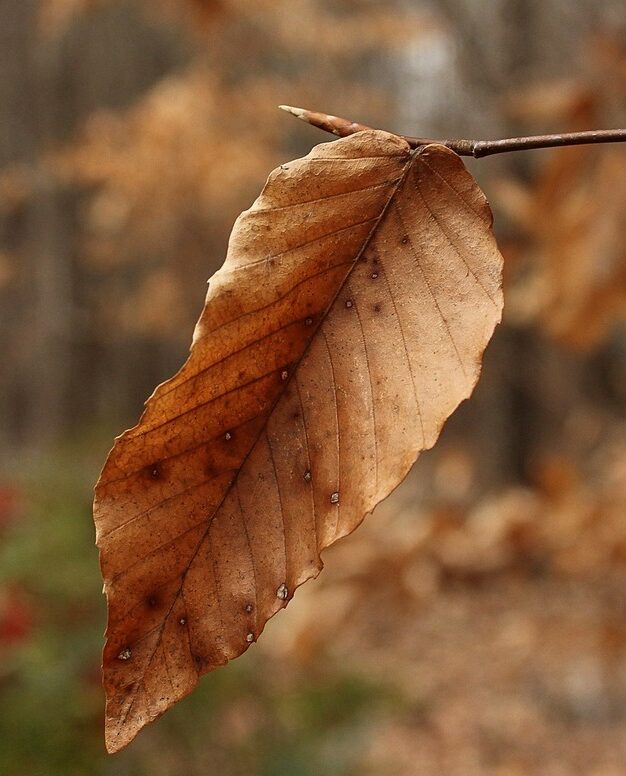
Dried leaf

Excerpt from “It Only Served for Divination”

LUISA VILLA MERIÑO
The dried leaves of my childhood, stashed in pockets for years, / will once again become green and I will adorn my old body with them. / At night I will wait for the owls, / with their news about magic, / and I will ask the nocturnal birds to tell me / what happened in my absence.

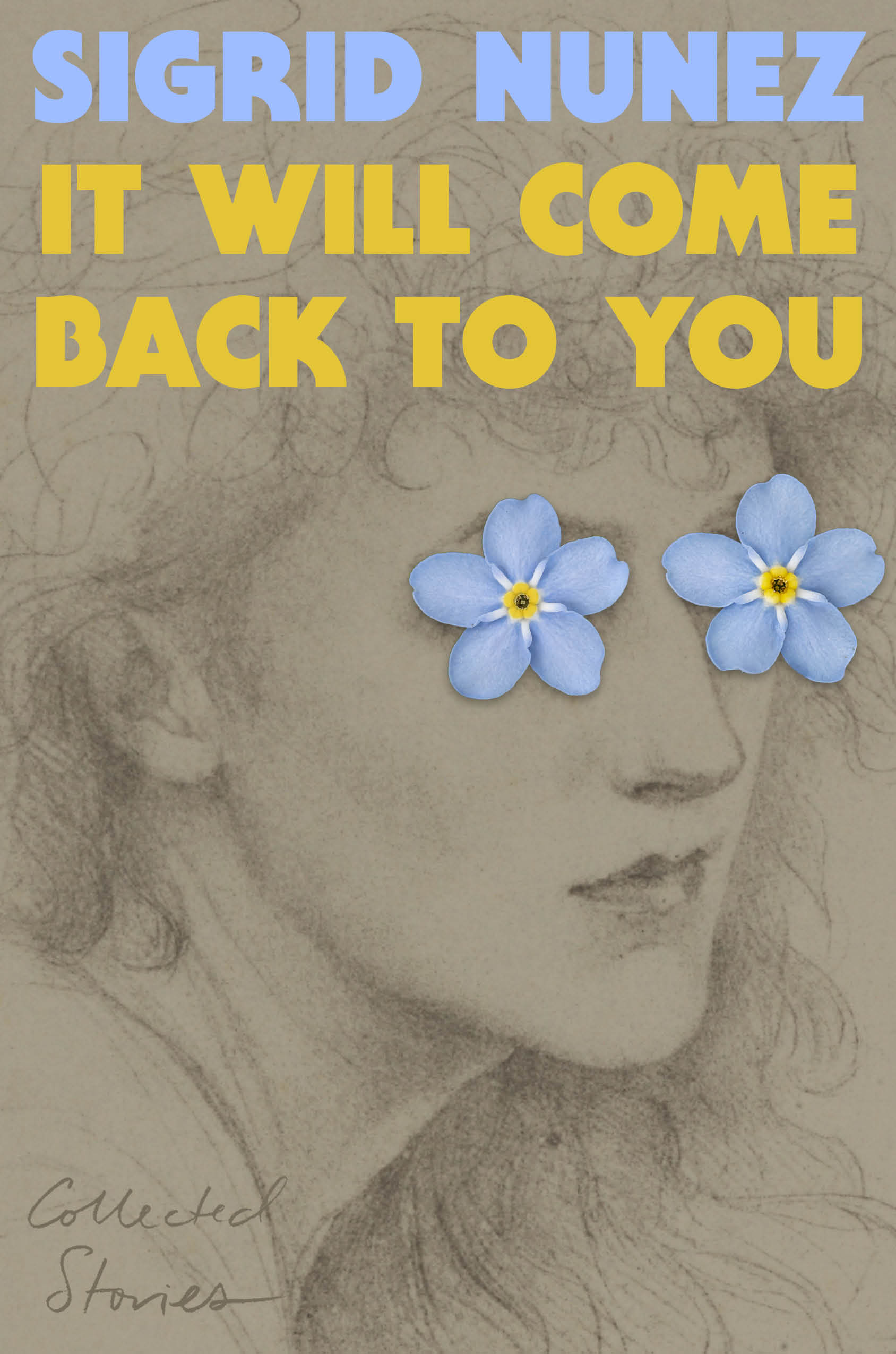
Everything Has to Work: Michael Costaris interviews Sigrid Nunez

SIGRID NUNEZ
Everything has to work, and whatever ending there is, it should strike the reader as inevitable. So yes, it is harder to write short fiction. Of course, plenty of writers are capable of producing at least one beauty. But the kind of writer who can produce one fine story after another—that’s definitely a rarer breed than your usual good novelist.