All posts tagged: October 2026

Two Poems by Dalia Taha, translated by Sara Elkamel

By DALIA TAHA
Translated from the Arabic by SARA ELKAMEL

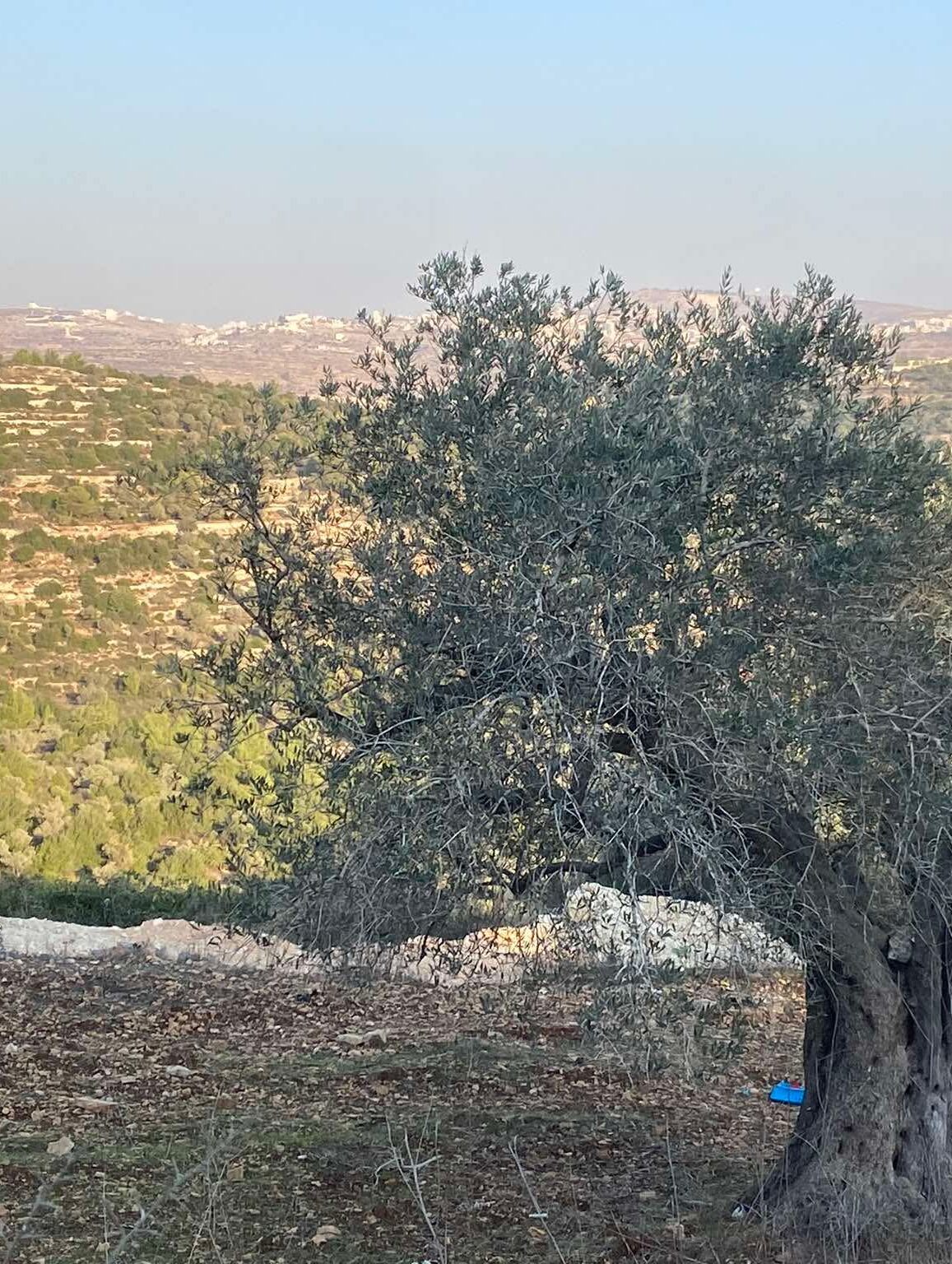
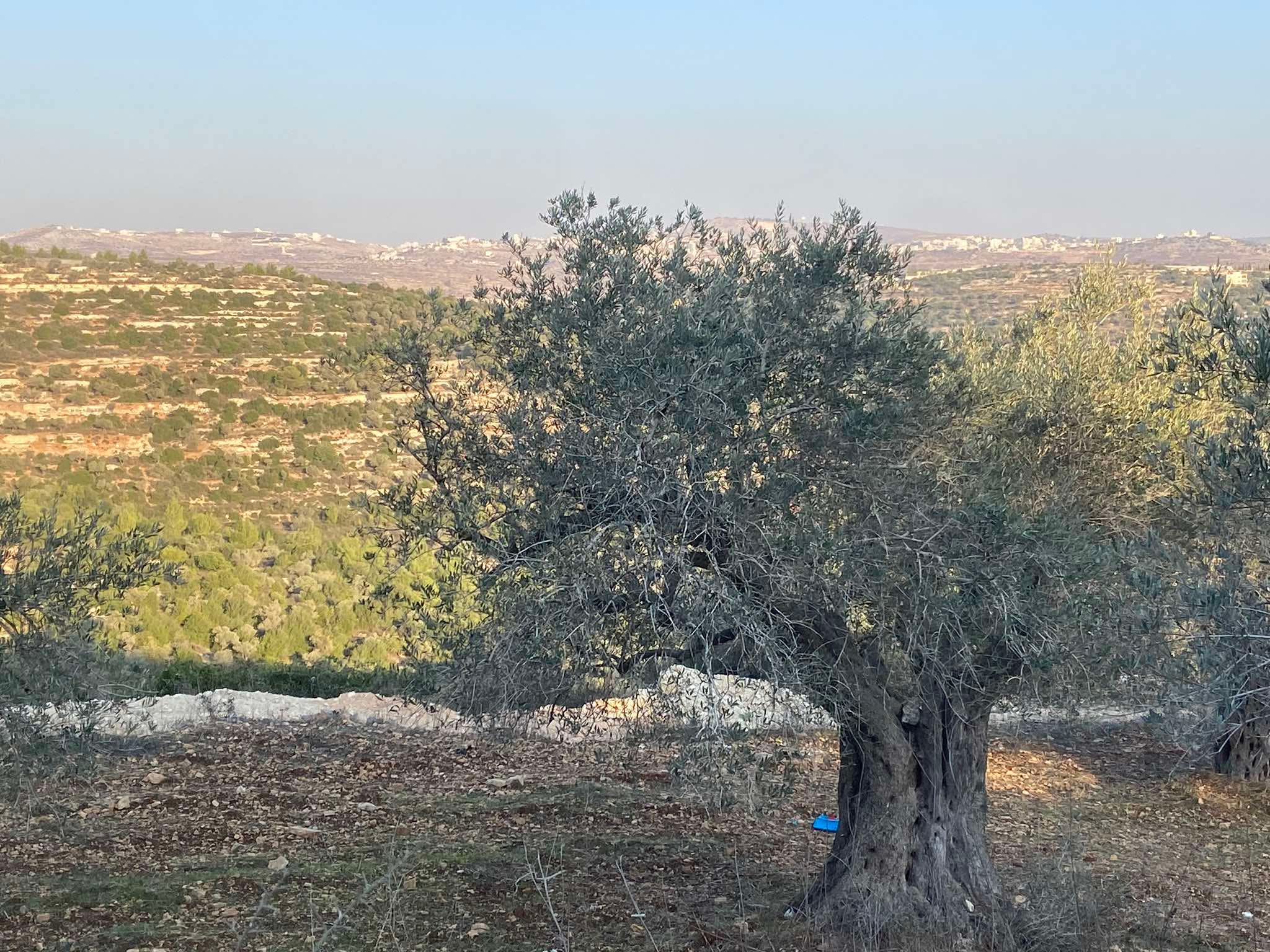
a gnarled tree in front of a sunlit landscape

Ramallah Landscape, photograph by Dalia Taha

Ramallah, West Bank, Palestine

Enter Zakaria Mohammed’s Balcony

On Zakaria Mohammed’s balcony,”
we notice just how close
the settlement is.
Then we ignore it and drown 
in conversation, its lights
swelling before us
the way a car’s headlights
flood your whole existence
before its body of steel crashes into you. 

Two Poems by Dalia Taha, translated by Sara Elkamel
Read more...

Review: Liberal Arts by David McGlynn

By DAVID MCGLYNN
Review by NICOLE SCHRAG

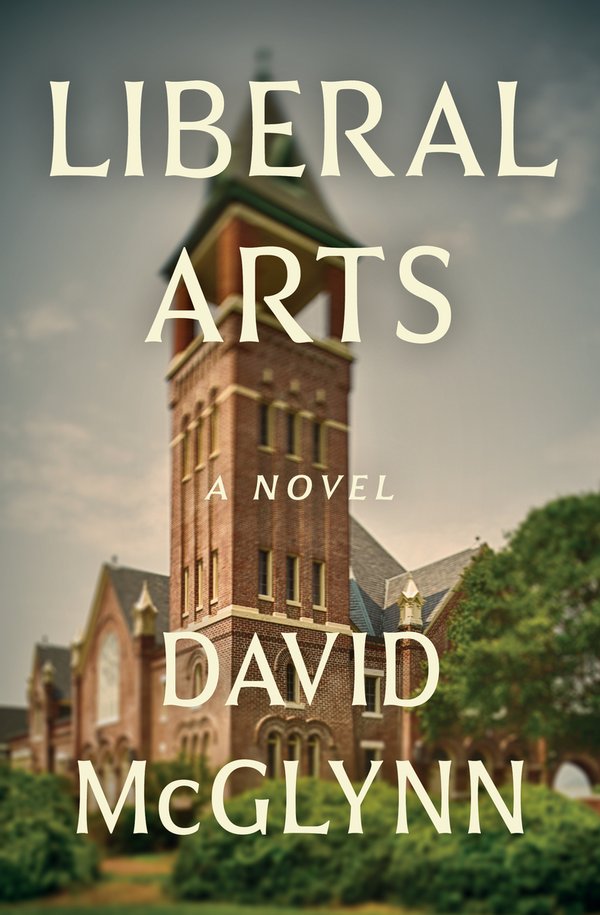
Book cover for Liberal Arts by David McGlynn

David McGlynn’s new novel-in-stories unfolds on and around the campus of the fictional Buchanan College in Hanover, Wisconsin, a school not unlike McGlynn’s home institution of Lawrence University in Appleton, Wisconsin. Liberal Arts follows the lives of professors and students, alumni, community members, and friends and relations of all of the above over the course of four academic years.

Review: Liberal Arts by David McGlynn
Read more...

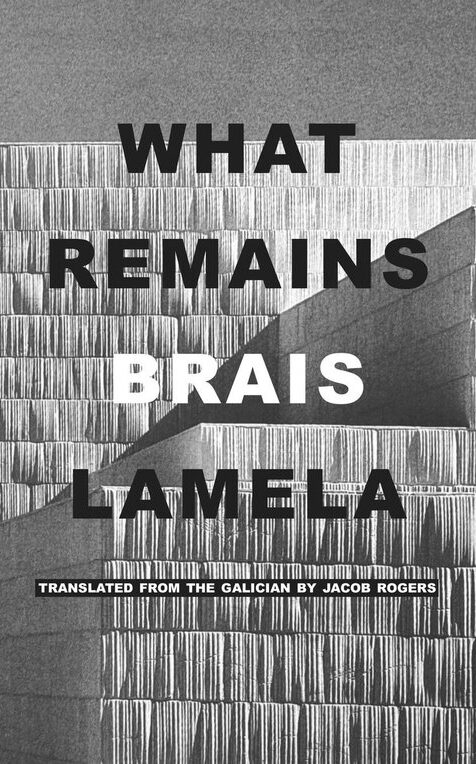
Review: What Remains by Brais Lamela


Book cover of What Remains by Brais Lamela

It is 1939. Spain is emerging bruised and broken from its Civil War as a plaything for Franco’s crushing rule. People are hungry. The country’s agriculture and rail networks are in shambles. Citizens go where the work is, leaving expanses of rural land unpopulated. Intending to reform Spain’s agrarian economy and redistribute the population across the country, the regime’s “New Colonization” policy (la nueva politica de colonización) draws up plans for several hundred new settlements to be built across the whole of Spain. Some move voluntarily, others are forced to do so, because their own villages are submerged to create water reservoirs. Over three decades, more than fifty-thousand people are displaced. 

Review: What Remains by Brais Lamela
Read more...

Gentle or Not: Victoria Kornick Interviews Laura Cresté

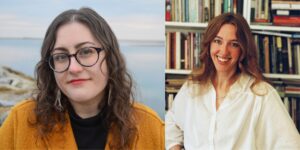
Headshots of Laura Crete and Victoria Kornick

Laura Cresté (left) and Victoria Kornick (right)

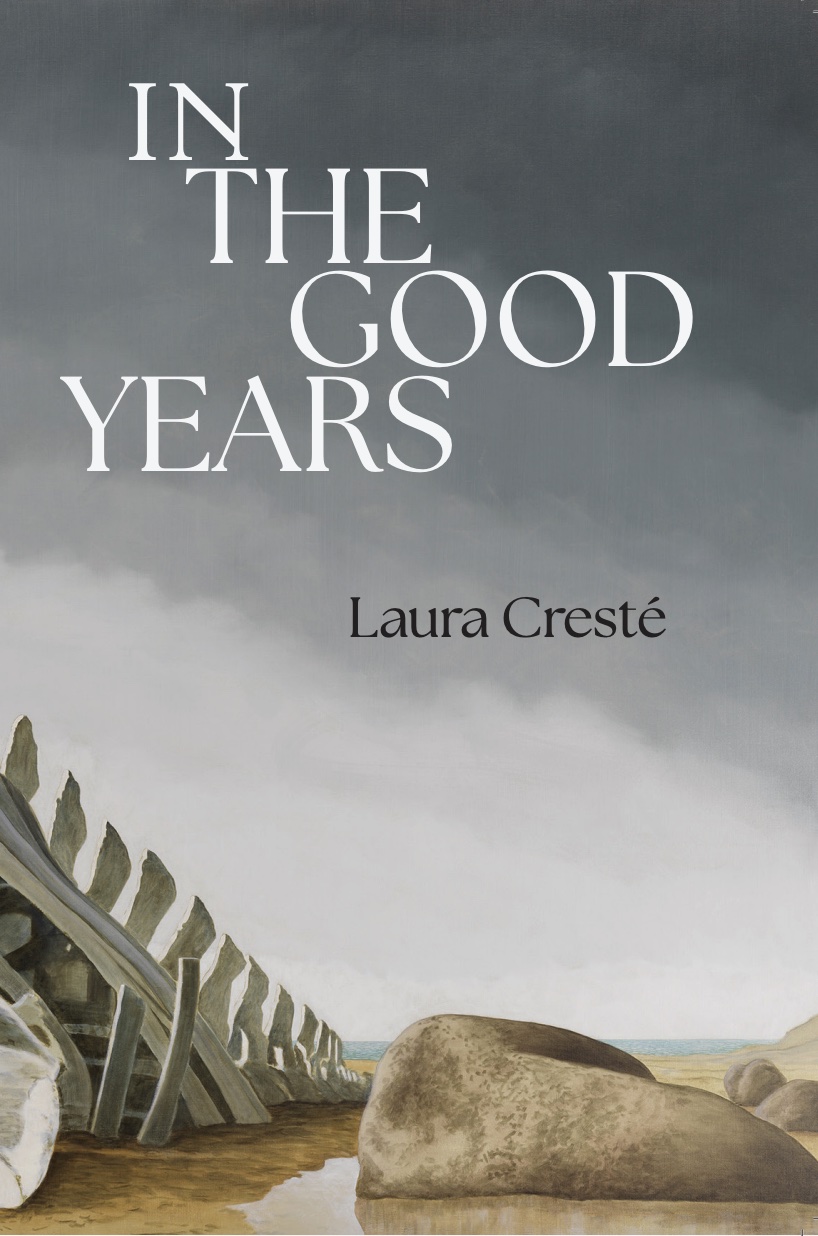
LAURA CRESTÉ and VICTORIA KORNICK met a decade ago in NYU’s Creative Writing MFA, where they connected over writing long poems. They’ve been friends and readers of each other’s work ever since, including the manuscripts of what would become their first books. They exchanged questions over email about Laura’s debut collection, In the Good Years, and discussed how place, nonhuman animals, time, family history, and the unknown shaped the book.


Gentle or Not: Victoria Kornick Interviews Laura Cresté
Read more...

Two Poems

By LAKE ANGELA

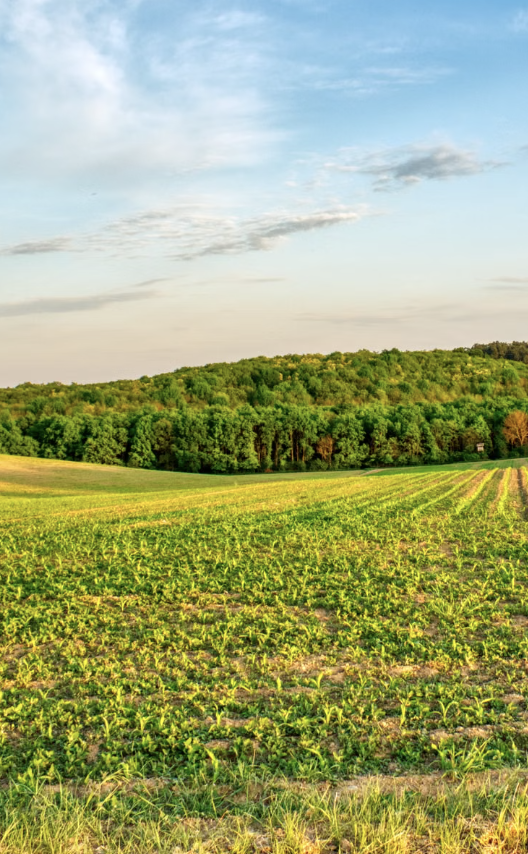
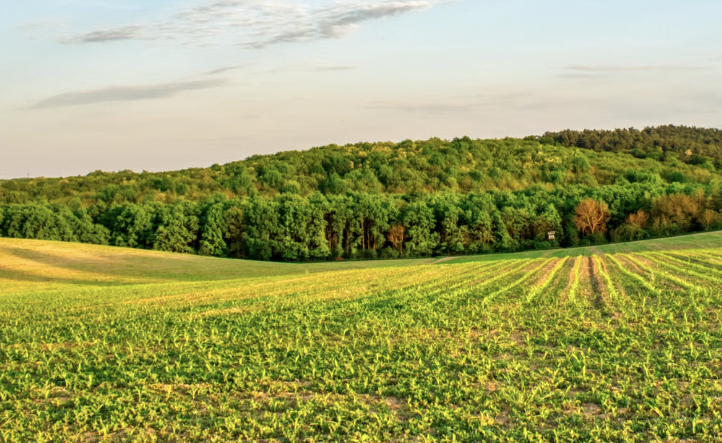
A sunny agricultural field
Akron, Ohio and Opelika, Alabama


Grace: Sunday Services

As a girl in curls and white patent flats, I could criss-
cross worlds—Sicily and Ohio, steaming kitchen
and chilly study. I slipped through serving aperitifs and caffé
corretto, understood Sicilian but wasn’t meant to speak

Two Poems
Read more...

Review: Fortress Besieged by Qian Zhongshu

By QIAN ZHONGSHU
Review by BEN TAMBURRI

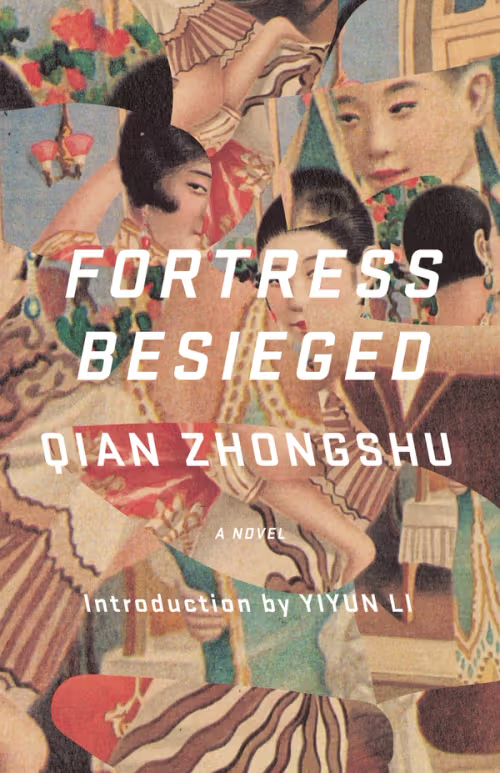
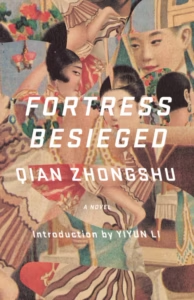
Fortress Besieged by Qian Zhongshu

Qian Zhongshu’s Fortress Besieged takes its namesake and epigraph from a French proverb: “Marriage is like a fortress besieged: those who are outside want to get in, and those who are inside want to get out.” The proverb foretells much about this acerbic novel, as its protagonist, Fang Hung-Chien, stumbles into and out of the lives of various women in Shanghai after returning from his years studying abroad in Europe.

Review: Fortress Besieged by Qian Zhongshu
Read more...

Of Diverting and Diversions 

By BENJAMIN PALOFF

  We said a prayer for the rats and fleas as the plague abated. We laid a wreath for Justinian. The streets of London were no longer smoke-choked, just smoking, and Rome started to smell more like Rome. At least whoever remembered “before” said as much. In the last days of the plague, the days that followed the days that had been called “last,” we made a sport of showing up at restaurants where we had never been beautiful enough to get a table, just to see if people still ate at tables, or if the food tasted like anything. We appeared at the homes of our favorite people to see if they were around, too, or if they had changed, or if they could be unchanged. We moved slowly through the halls of near-empty museums, each of us indistinguishable from the art, to be touched only with the eyes from a safe Kantian distance. As the plague’s grip on our lives slackened, we slackened too, like a body pretending it can will itself back into sleep. We prepared for travel, arranged our documents, scheduled shots. We packed—clothes, books—and packed—the spider plant with all its apostles, anything that might spoil in our absence—and kept on packing. It didn’t matter that we had no idea where we were going. This time we would be more careful to leave none of ourselves behind.   
Of Diverting and Diversions 
Read more...