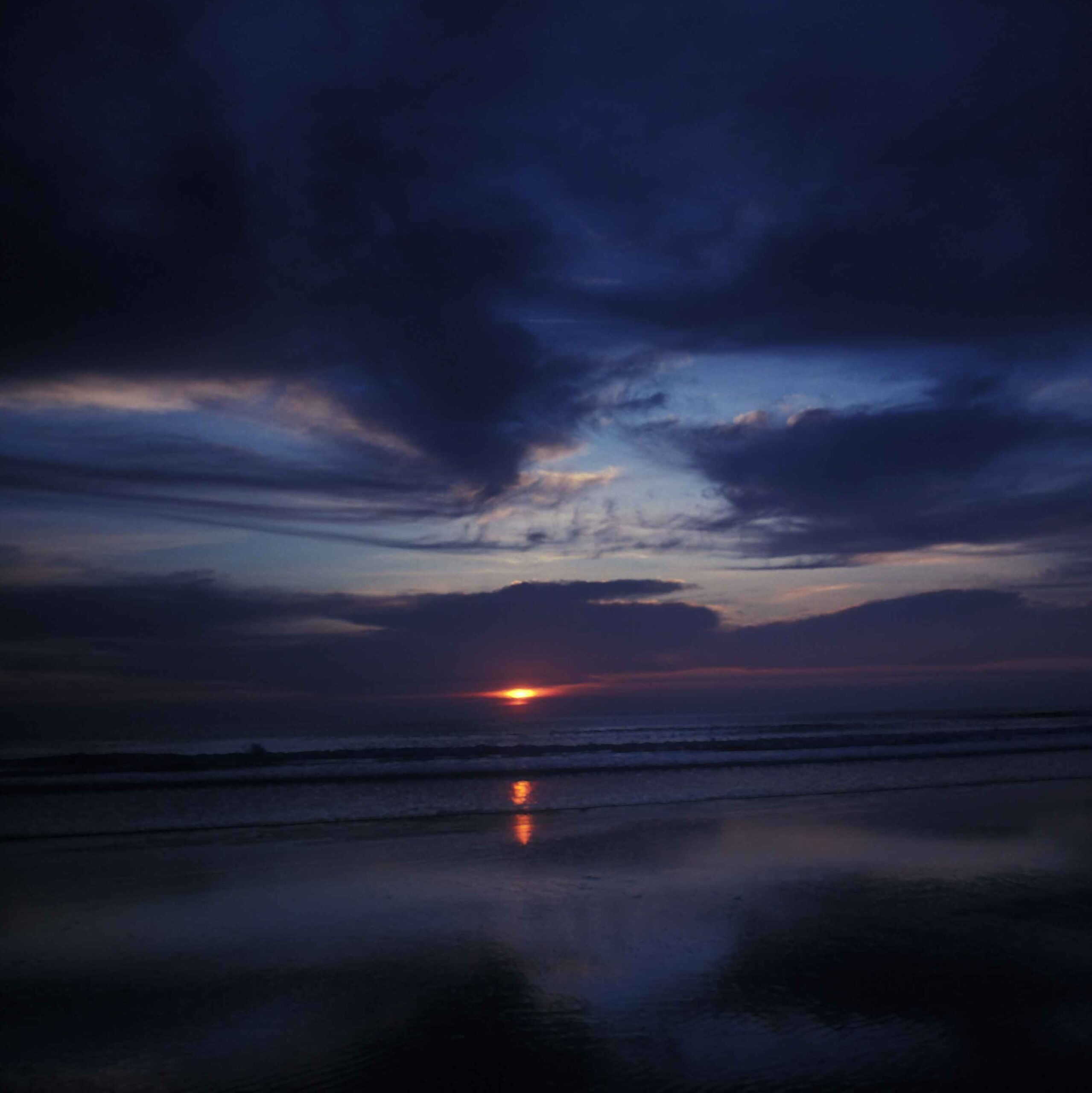
Ode to the Coastal Flowers/ Oda a Las Flores de la Costa

By PABLO NERUDA


The Isla Negra wildflowers
are blooming,
they have no names, some
seem like sand crocuses,
others
illuminate
the ground with yellow lighting.


I’m a pastoral poet.


I feed myself
like a hunter;
near the sea, at night,
I build a fire.


Only this flower, only this
marine solitude;
and you, glad,
simple, like an earthly rose.


Life
begged me to be a fighter;
I organized my heart around struggle,
and keeping hope alive:
I’m a brother
to man, to everyone.
My two hands
are named duty and love.


I stare
at the coastal
stones,
while the flowers that lasted
through oblivion
and winter
to raise a tiny ray
of light and fragrance
to tell me farewell
yet again
farewell to the sand,
the wood,
the fire
of the forest,
the sand
it hurts to walk along.
I’d rather stay here,
not on the streets.
I’m a pastoral poet.


And duty and love are my two hands.


Translated by Ilan Stavans


Pablo Neruda, a renowned Chilean poet, won the Nobel Prize for Literature in 1971. 

[Purchase your copy of Issue 05 here]

From the beginning, The Common has brought you transportive writing and exciting new voices. We are committed to supporting writers and maintaining free, unrestricted access to our website, but we can’t do it without you. Become an integral part of our global community of readers and writers by donating today. No amount is too small. Thank you!

Ode to the Coastal Flowers/ Oda a Las Flores de la Costa

Related Posts

Caribbean picture

Self-Portrait in The Caribbean

PAOLA ASSAD BARBARINO
Sometimes I am emboldened, / I decide to stand in the people’s balcony / I decide it is Maundy Thursday I decide to place a priest behind me that can speak to the people behind / my back / I decide to put out the fire and light my throat / scream

Feltspade

ELIAS SADAQ
I serve out my conscription / sleep in a bunk bed / for four cold months / in the engineer regiment at Skive Garrison / in a room with three other men / I fuck the colonel / the only sign that time is passing / is a pile of snow outside the window / that grows smaller

Book cover of Fifty Mothers

Mother is a Kind of Holding: Jenny Qi interviews Preeti Vangani

PREETI VANGANI
With vignettes, I could plumb its narrative arc to become a force propelling the book forward. It also felt haunting yet warm that the mothers kept reappearing throughout the life of this grief. That repetition created a chorus of voices that angers and despairs, yet cradles the speaker.