All posts tagged: February 2026

I/Teh Ran

By SARVIN PARVIZ

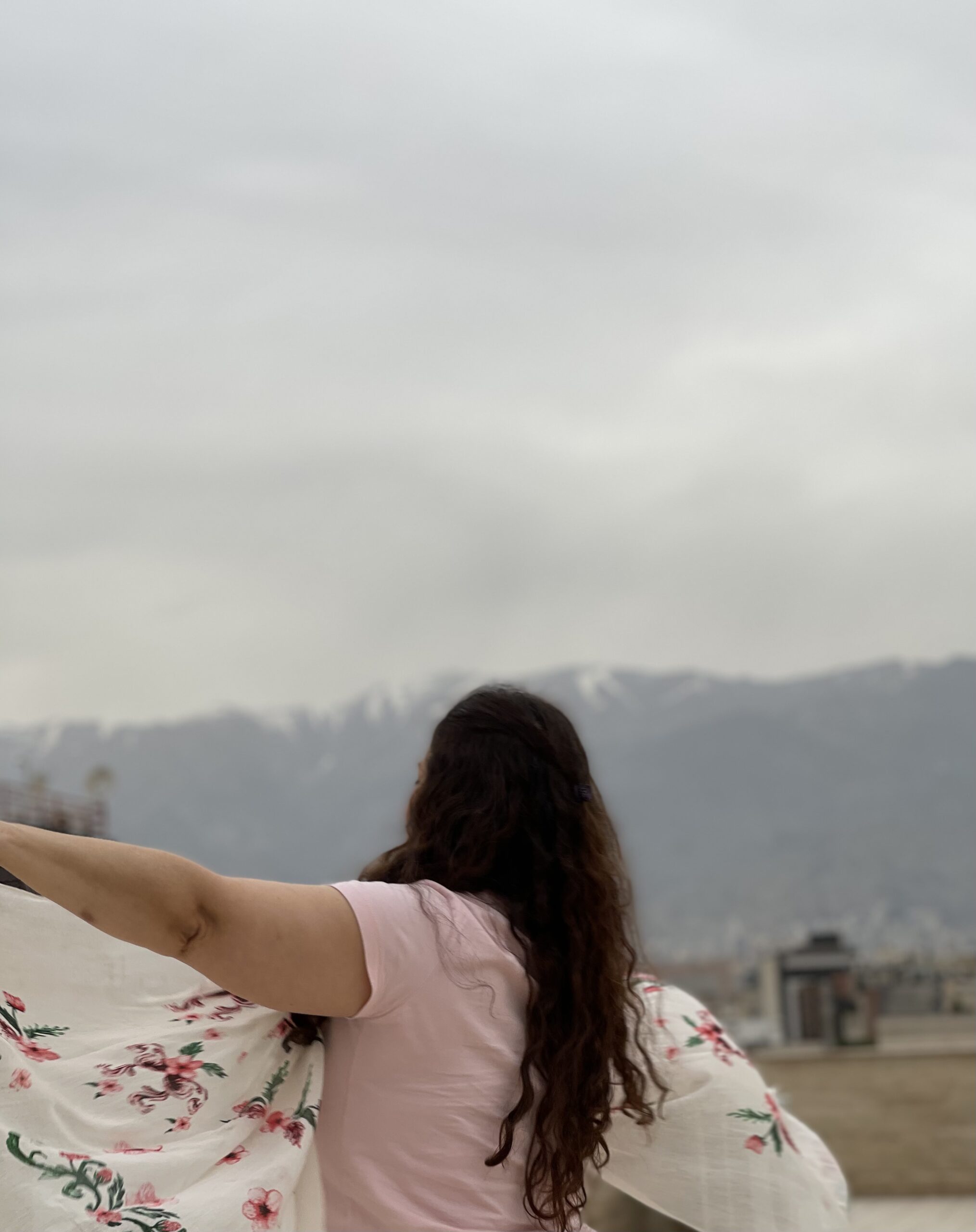
woman holding a sheet in front of the mountains

Photo courtesy of the author.

Tehran, Diaspora

I moved to the U.S. for a creative writing program with a luggage full of must-haves and gifts, to survive the at-once costs with one paycheck, memorabilia from each friend and close relatives to hold, on days of unbelonging and loss, to feel the connection to the ground back to a place. The largest collection of belongings is in my phone. More than twenty thousand photos of food on the table (always more than one plate), streets of Tehran at night through the car window, wet and bright after rain, harmonious, unlike the dust and chaos of the day. My daisy covered shoes on the curb, friends singing, tapping on the table, hugging, running all the way to the top of a hill. When I moved, the photos became similar, screen shots of Facetime or Zoom calls, us in squares next to each other, our joy breaking out of the frame, heart emojis flying, everyone laughing.
I/Teh Ran
Read more...

From Teaching Herself How To Survive to Teaching Us All: Rosa Castellano Interviews Diamond Forde

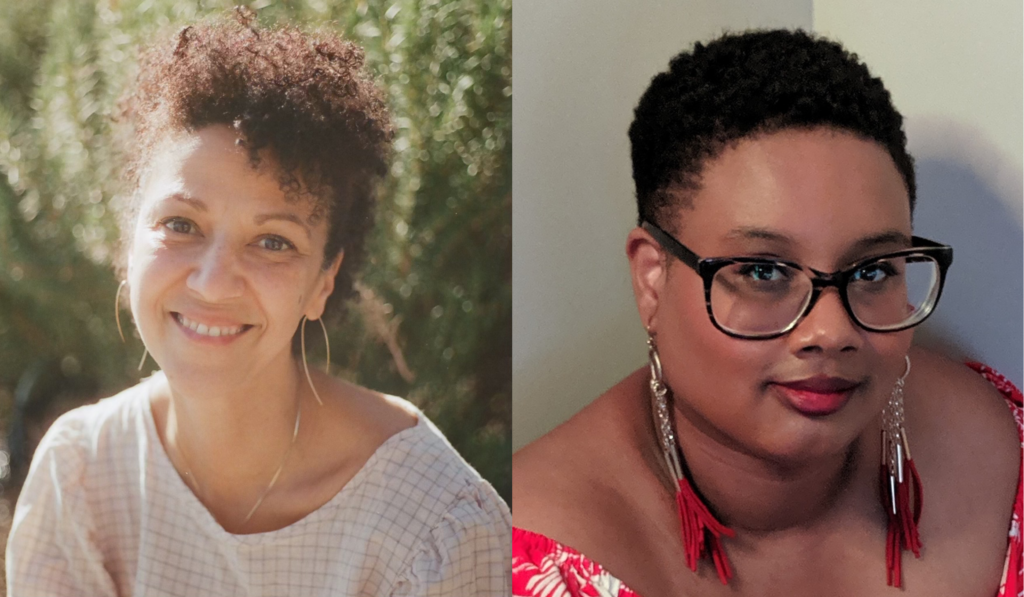
Rosa Castellano (left) and Diamond Forde (right)

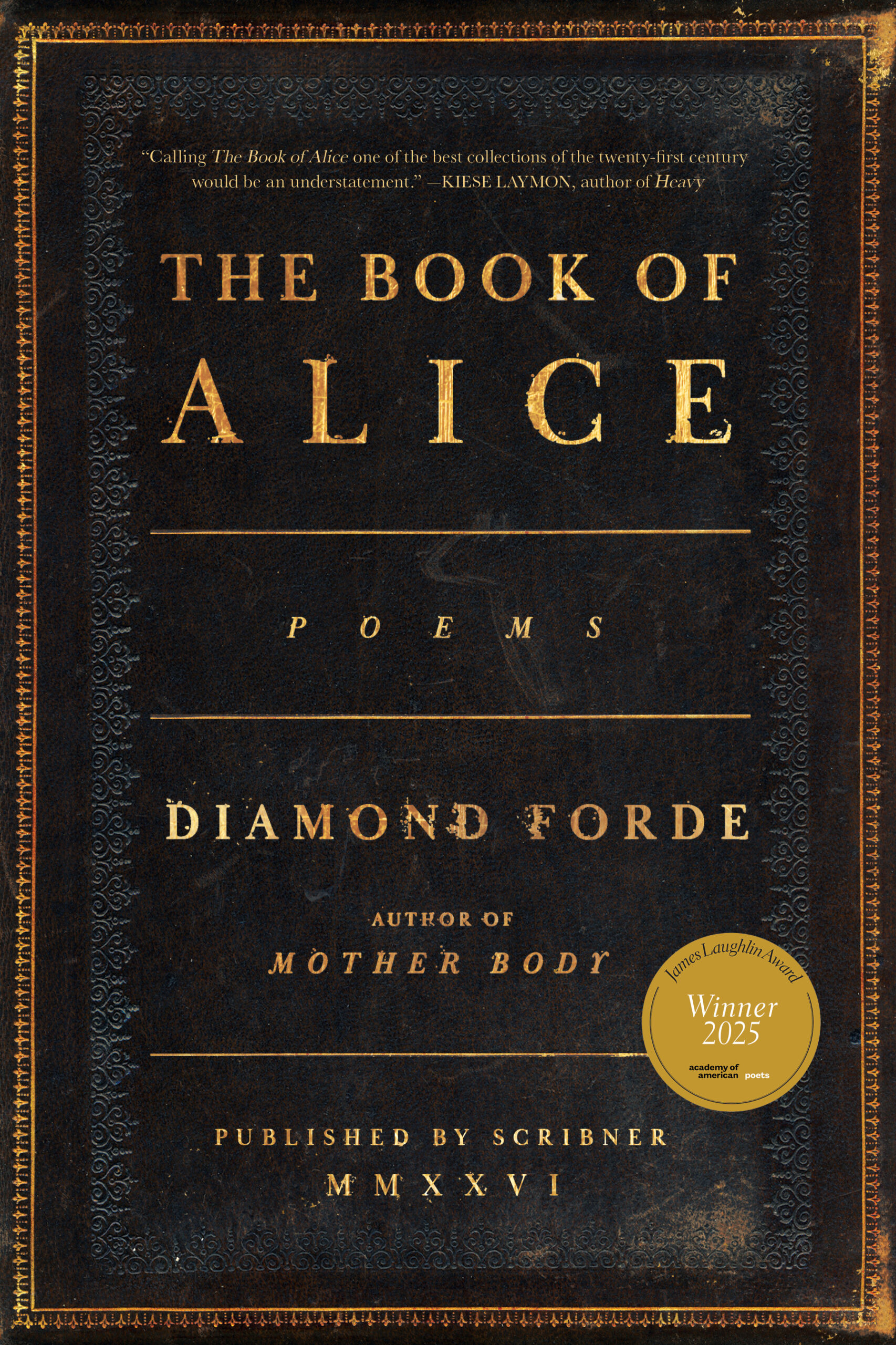
DIAMOND FORDE’s newest poetry collection, The Book of Alice, was the winner of the Academy of American Poets’ James Laughlin Award and was recently published by Scribner Books. Her first poetry collection, Mother Body, was a Kate Tufts Discovery Award nominee. 

For this interview, Forde connected with friend and fellow poet, ROSA CASTELLANO, over Zoom. Castellano sipped coffee in Richmond, Virginia, while Forde sat in her bright office in Raleigh, North Carolina. Her dog, Oatmeal, curled at her feet. The poets discussed navigating family memories, the Bible, and Scribner selecting Forde’s manuscript during their open call for poetry manuscripts in 2023.

From Teaching Herself How To Survive to Teaching Us All: Rosa Castellano Interviews Diamond Forde
Read more...

Map

By MARIN SORESCU

Translated by DANIEL CARDEN NEMO


Translator’s note

Marin Sorescu, despite being one of the most translated Romanian writers, is one of the literary world’s best kept secrets. The reason for it, to my mind, lies squarely in the quality of existing English translations, as many of them have failed to capture his poetic essence. Twice nominated for the Nobel Prize in Literature, he never received the award based on his translated work.

Like many of his poems, “Map” reveals Sorescu’s depth of thought and highly associative mind, and above all his ability to convey the most complex emotions and contemplations into a multi-layered poetry that remains accessible to all. The challenge in the translation here comes from the ability to convey an intimate, almost didactic exploration of the body, revealing the speaker’s vulnerability as he opens himself up for in(tro)spection. The body becomes a cartographic landscape, with known and uncharted areas, while the self is a terrain molded by time, animated by the soul, and inevitably oriented toward death. The poem blends stark physicality with cosmic metaphysics, suggesting that human identity, just like the Earth’s geography, contains vastness, complexity, and the unknowable. It is consciousness which imbues the world with dynamism. Without internal life, and perhaps without poetry, existence becomes static, ornamental.

Map
Read more...