All posts tagged: Fiction

Book Review: Exemplary Humans

By JULIANA LEITE
Translated by ZOË PERRY

Reviewed by JAY BOSS RUBIN
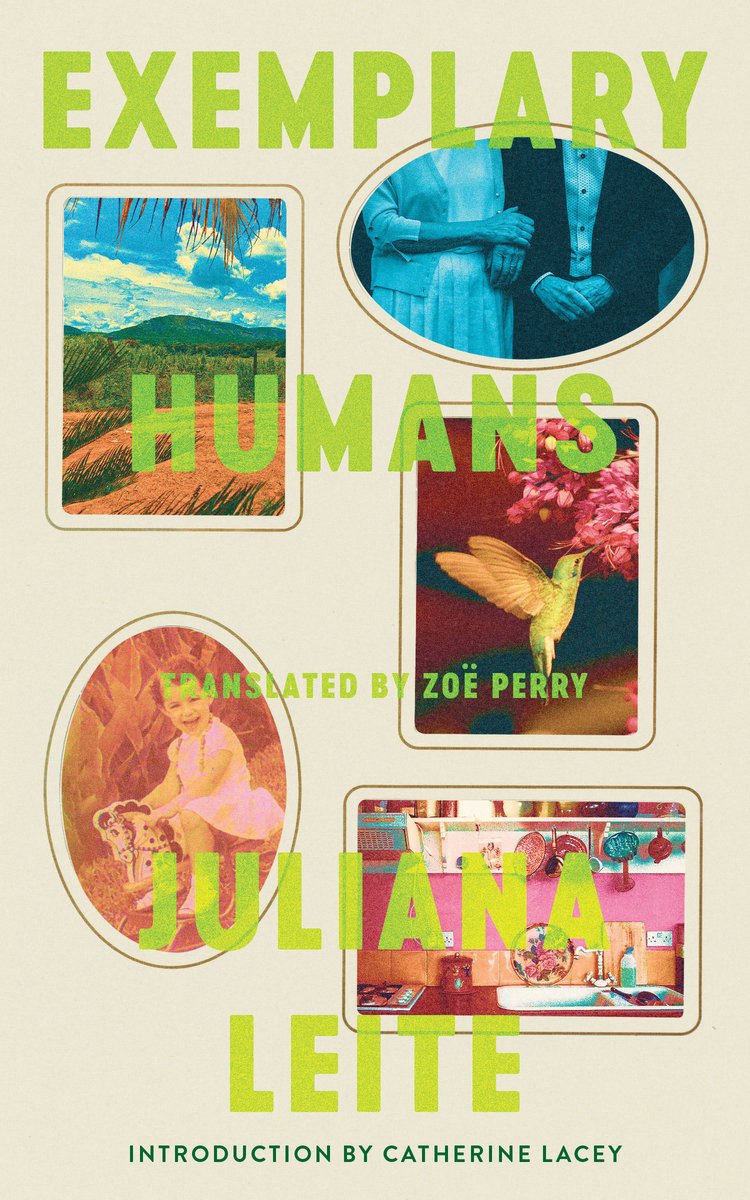
Book cover of Exemplary Humans

In the opening chapter of this subtle epic, the centenarian narrator Natalia confides: “At this point in life, I’d say that going on forever or for too long is a bad decision, a very bad one; what’s nice is to exist and then stop existing, to exist for a while and then be able to change the subject.” In other words, if the transition between life and death is an abrupt one, then so be it. “[L]et’s be done with it,” she says, “though it would be nice to have the time to spritz on some perfume beforehand.”

When I first encountered this sentiment in Juliana Leite’s Exemplary Humans, translated from the Portuguese by Zoë Perry, I took it be a bit of a bluff. It reminded me of a bumper sticker I saw a couple of years ago in Portland, Oregon, that read: “I ♥ AGING & DYING” (which I interpreted as an existentialist rejoinder to proclamations of commercial allegiance—“I ♥ Mr Plywood” and so on—so common in my hometown). But by the end of Leite’s novel, which takes place primarily in Rio de Janeiro and Petrópolis, Brazil, and spans that country’s lengthy dictatorship, I was convinced that Natalia’s breezy acceptance of her own mortality was absolutely serious. It is not only possible, but strongly advised to love aging and dying. It isn’t easy, though. To transcend dread, and transform it into something more palatable, a unique kind of emotional intelligence is required, and so is a talent for adjusting one’s perspectives. Natalia is the novel’s exemplar of both these qualities.


Book Review: Exemplary Humans
Read more...

“The Hare” and “Inês” Win O. Henry Prize 2026

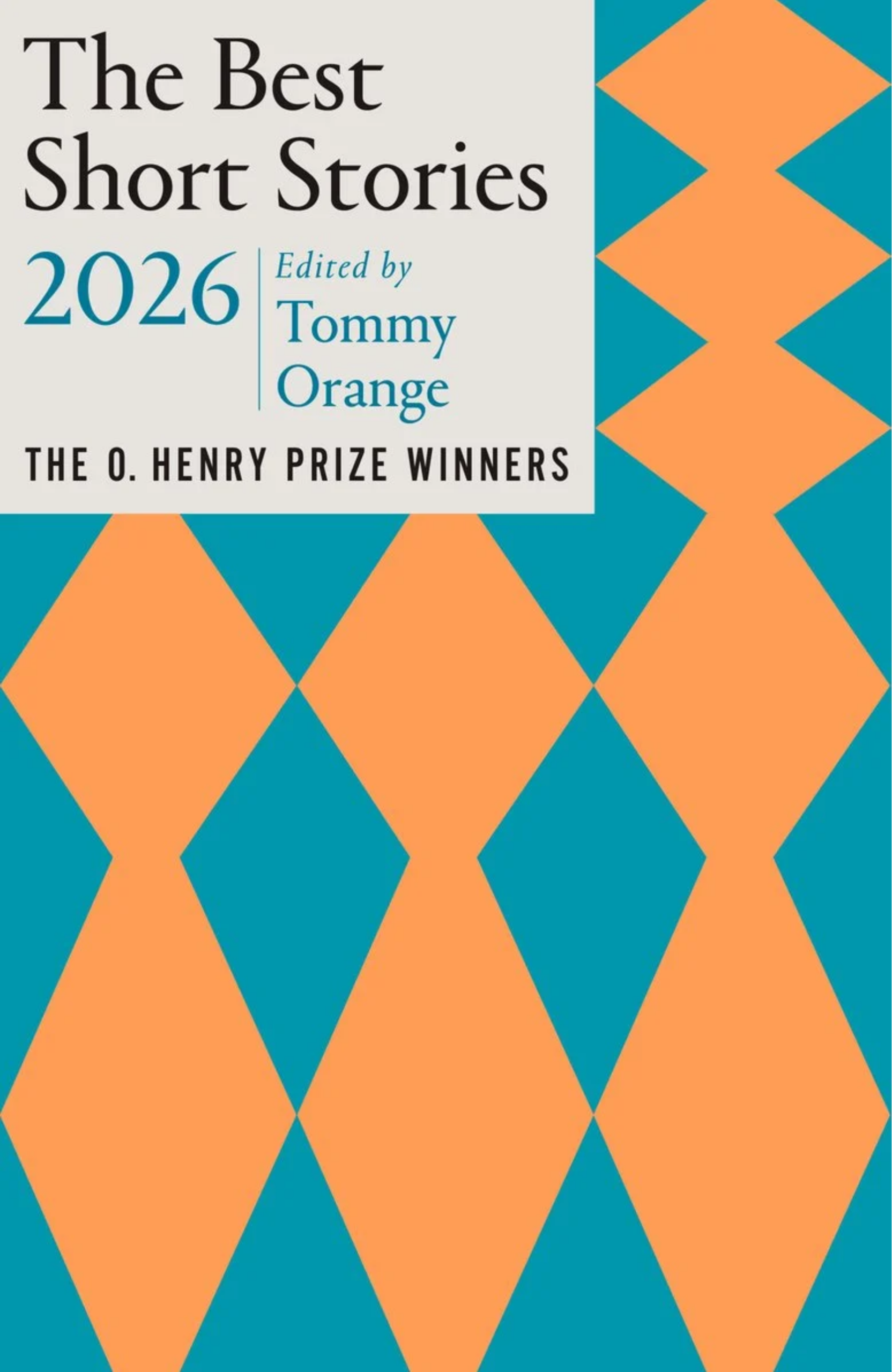
Book Cover of "The Best Short Stories 2026" edited by Tommy Orange

We are thrilled to announce that “The Hare,” written by Ismael Ramos and translated from the Galician by Jacob Rogers, and “Inês” by Joāo Pedro Vala have been selected for the O. Henry Prize for Short Fiction for 2026. Both stories were originally published in The Common Online in 2025. An anthology of the winning stories, edited by Tommy Orange, will be released this September from Vintage. 

In the prize announcement, series editor Jenny Minton Quigley writes, “Many of this year’s O. Henry Prize winners manifest a youthful, new way of seeing in their stories. If our world is to be saved it will be by the genius of the next generations.

View the full list of winners and read more about the prize at LitHub.

Congratulations to Ismael Ramos, Jacob Rogers, Joāo Pedro Vala, and all the winners! 


“The Hare” and “Inês” Win O. Henry Prize 2026
Read more...

Writing the Rust Belt: Rosanna Young Oh Interviews Allison Pitinii Davis

Allison Pitinii Davis (left) and Rosanna Young Oh (right)

Allison Pitinii Davis (left) and Rosanna Young Oh (right)

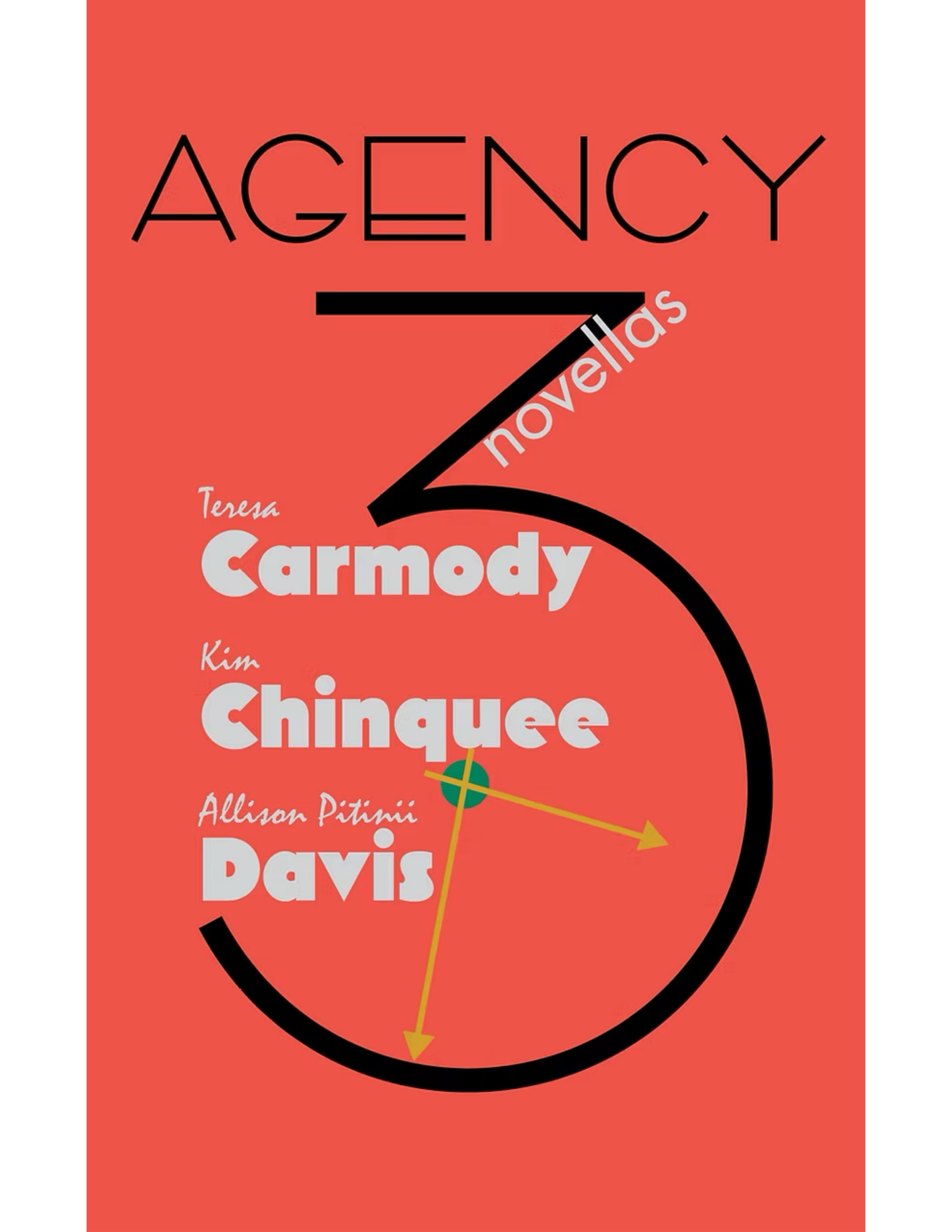
ALLISON PITINII DAVIS and ROSANNA YOUNG OH explore how Davis’ personal connection to Youngstown, Ohio and scholarly interest in labor inspired her debut novella, Business. They discuss representing the Rust Belt in literature, their identities as eldest daughters who worked for their family businesses, and the dignity and ethos of the working-class communities that raised them. Allison Pitinii Davis is the author of the poetry collection Line Study of a Motel Clerk , Poppy Seeds, and Business, a novella in Agency 3: Novellas . She serves as a Visiting Assistant Professor of Poetry at Ohio State University.​​

Writing the Rust Belt: Rosanna Young Oh Interviews Allison Pitinii Davis
Read more...

Surveilled Terrain

By THOMAS EMPL 
Translated by ISABEL FARGO COLE

The ferryman wrenched the gangplank out of its mount, heaved a breath and hooked it between the boat and the dock. During the brief ride we didn’t say a word; he didn’t recognize us. On the coast, to the east of the town, a military jet took off and dipped straight into a breakneck loop to head the other way, trailing its sonic boom.

I’d shaved the night before. Mouth open, I fingered my smooth skin. Rough lines ran from my nostrils to the corners of my mouth, like incisions. My ears looked huge. When I got up in the morning, my mirror image startled me. It was as if someone had hung up one of those photos I never looked at, showing that out-of-place apprentice, expressionless at the joiner’s bench. I didn’t recognize myself until I heard my voice.

Surveilled Terrain
Read more...

Biography of a Dress

By JAMAICA KINCAID

This story is reprinted in honor of Amherst College’s eleventh annual literary festival, which features Jamaica Kincaid as a guest author. Register and see the full list of LitFest 2026 events here.

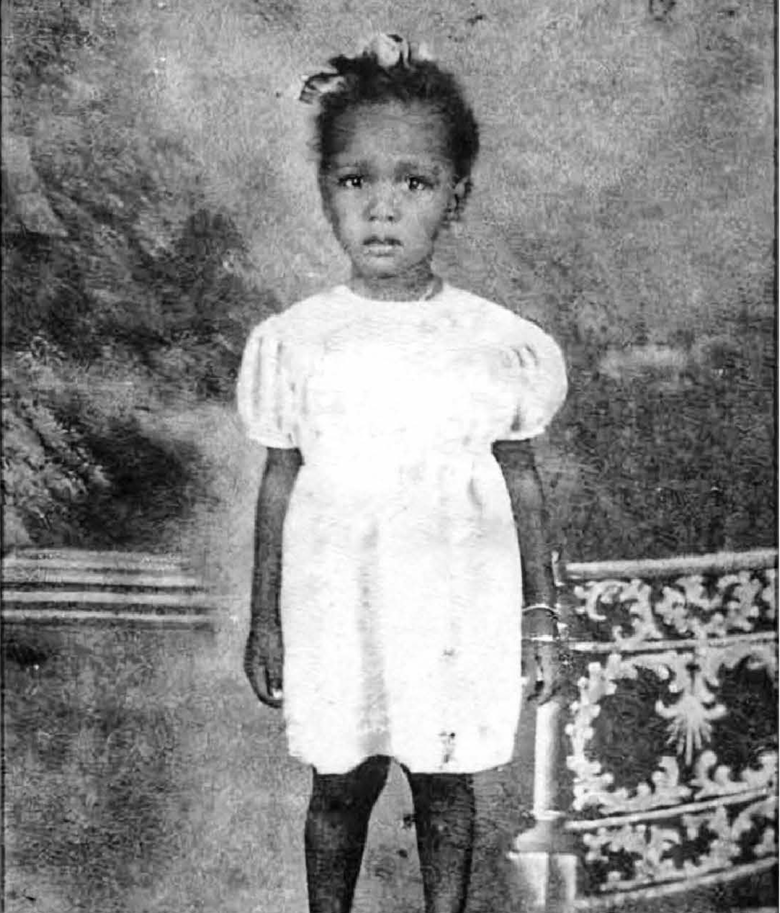
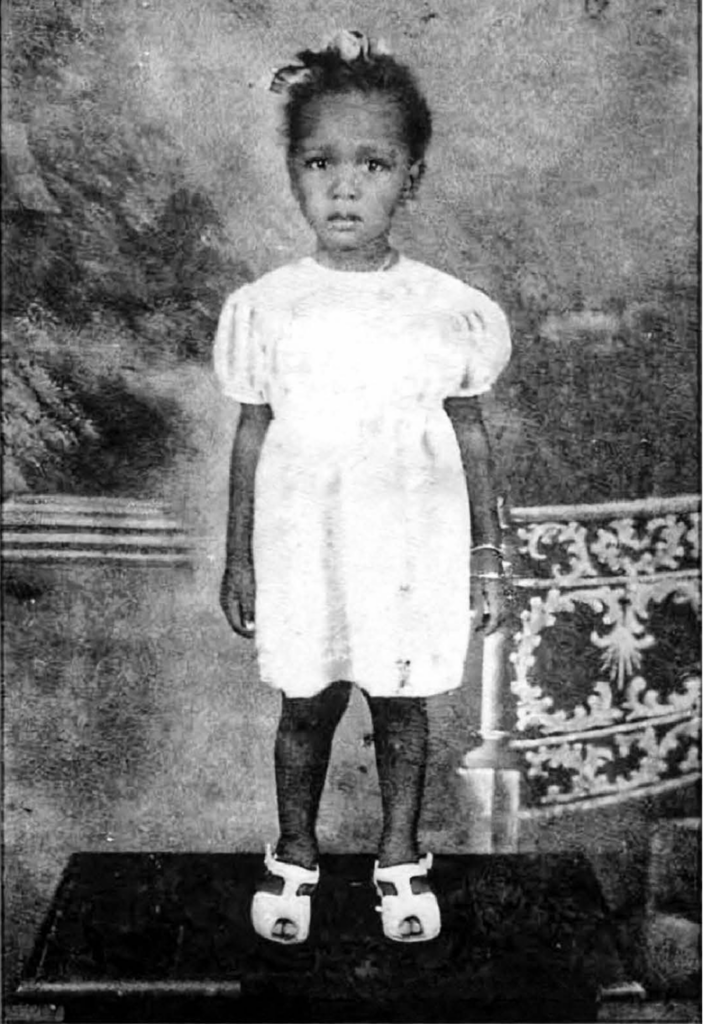
Early photograph of the author in a light-colored dress.

Image courtesy of the author.

The dress I am wearing in this black-and-white photograph, taken when I was two years old, is a yellow dress made of cotton poplin (a fabric with a slightly un-smooth texture first manufactured in the French town of Avignon and brought to England by the Huguenots, but I could not have known that at the time), and it was made for me by my mother. This shade of yellow, the color of my dress that I was wearing when I was two years old, was the same shade of yellow as boiled cornmeal, a food that my mother was always eager for me to eat in one form (as a porridge) or another (as fongie, the starchy part of my midday meal) because it was cheap and therefore easily available (but I did not know that at the time), and because she thought that foods bearing the colors yellow, green, or orange were particularly rich in vitamins and so boiled cornmeal would be particularly good for me. But I was then (not so now) extremely particular about what I would eat, not knowing then (but I do now) of shortages and abundance, having no consciousness of the idea of rich and poor (but I know now that we were poor then), and would eat only boiled beef (which I required my mother to chew for me first and, after she had made it soft, remove it from her mouth and place it in mine), certain kinds of boiled fish (doctor or angel), hard-boiled eggs (from hens, not ducks), poached calf’s liver and the milk from cows, and so would not even look at the boiled cornmeal (porridge or fongie). There was not one single thing that I could isolate and say I did not like about the boiled cornmeal (porridge or fongie) because I could not isolate parts of things then (though I can and do now), but whenever I saw this bowl of trembling yellow substance before me I would grow still and silent, I did not cry, that did not make me cry.

Biography of a Dress
Read more...

Juiced

By NEYSA KING

This piece is an excerpt from the novel How to Be Loved.


Cláudia’s eyeliner is dark as earth and heavy as her parrot-red lipstick. As she bends over to speak to me in low tones, her blouse falls open. I don’t know what it means to be attracted to her; I just want to be near her body. But she’s a college student from Rio, and I’m five years old. For the last year she’s been my nanny—dressing me, feeding me while Mom and Dad work. Every other Friday, if I’m good, she shucks me into my two-piece bathing suit with frills on the bottom and a pink butterfly on top and takes me to Singing Beach, where I can play with the skinny-legged sandpipers that the ocean is lava. Run, chase, run, chase, run, chase—my long, dark curls wet and heavy, and my suit bottom sliding down my straight hips—until the sunlight stretches as long and pale as a skeleton across the sand.

Juiced
Read more...