Cigan Valentine

The Constancy of Ocean Sounds

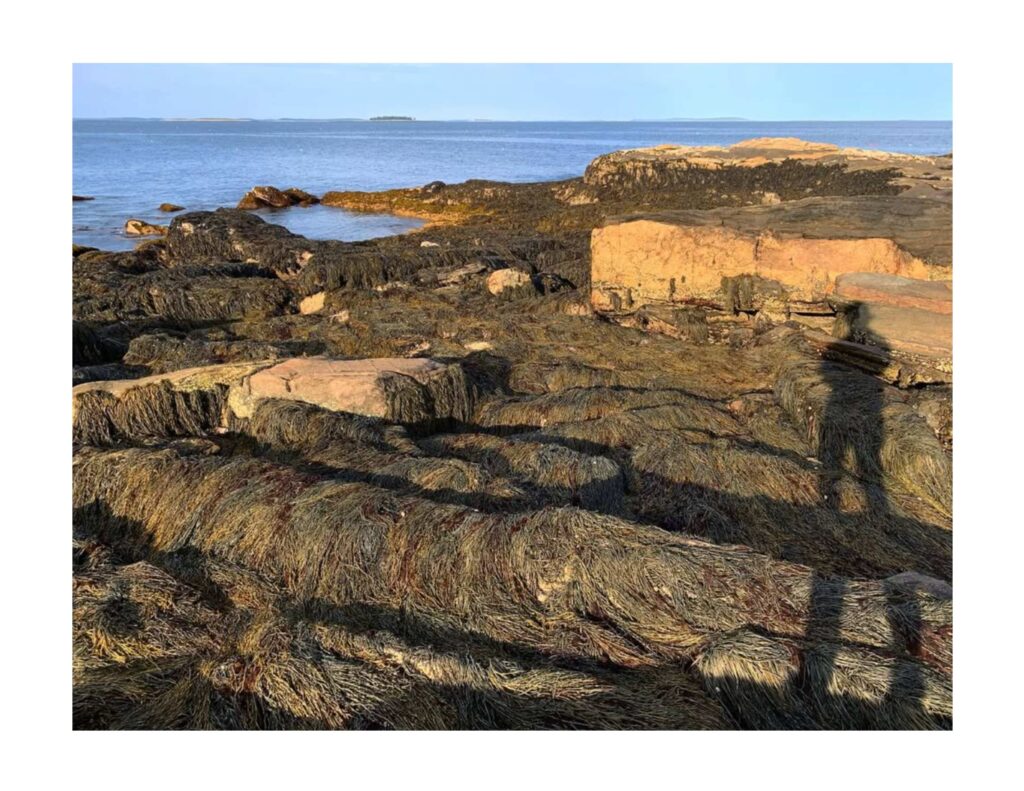
By JOHN T. HOWARDCoastal pool and a shadowNew Harbor, Maine

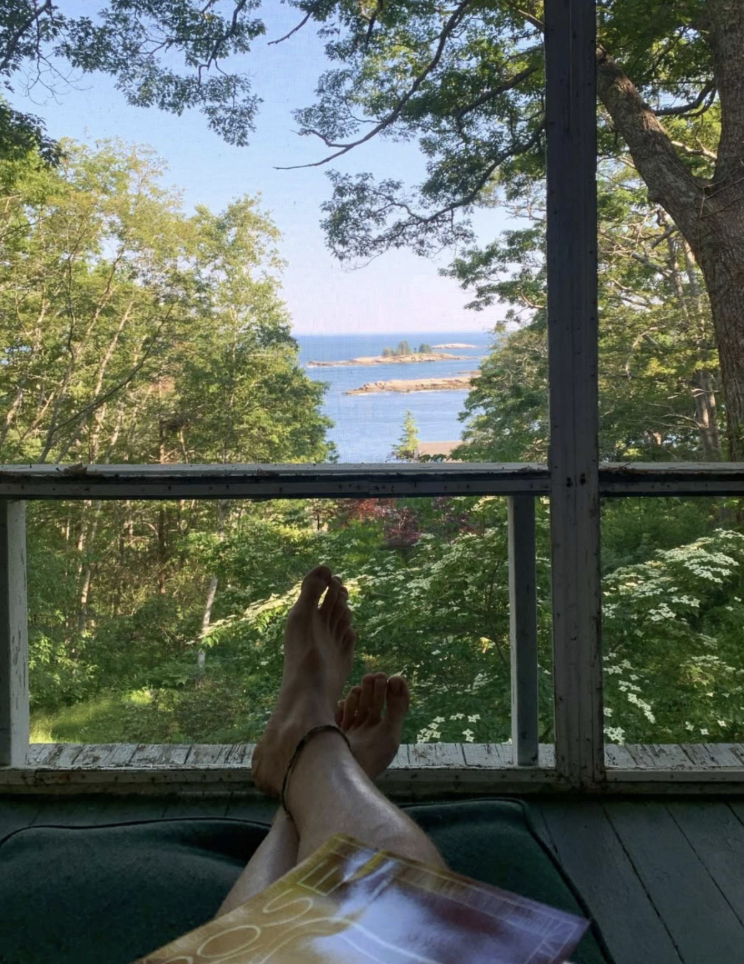
From the porch of the cabin, we can see the waters off Maine’s Midcoast region down below, the audible crash of waves constant. We can also hear the dunting of the bell buoy, and, through a wispy cover of fog, we can see the spectral presence of certain small islands and headlands in closer waters. The fog, further out, is thick enough to make the furthest remnants of land invisible. A second thought: the closer strips look as if they are cut from age-faded pieces of colored paper once the color of blue. Beyond these blanched scraps of an atomic hue, I look through the deep stretch of fog and think stone and wood, think bone and sinew. Far from here, there are wars raging. Bombs being dropped, civilians dead, dying. Government as we expect it to function is dismantling. Or being dismantled. I peer even further into that stretch of nothingness and contemplate the recent departure of my father, my mother, my brother the day before. All of these familial connections with their complicated histories, long arms of trauma stretching back decades, well before my first year in this cabin in Maine three years ago.

The Constancy of Ocean Sounds
Read more...

The Lost Box

By AIMEE LIU

1

He’s calling my name. About time. He’s been holed up in the bathroom for nearly an hour while my mother and I’ve busied ourselves elsewhere, pretending not to notice. Now as I wedge my way in, I find him seated on the rim of the tub like he’s waiting for an appointment.

Sickness has sallowed his skin and bruised the pouches around his eyes. His pale blue summer pajamas hang from his shrunken frame, and uncombed hair turbines around his head in a wild white corona. Yet my father sits up straight. He still manages to look irresistibly dashing in the way that Ray Milland might have, if he’d lived to ninety-five, had terminal cancer, and been half Chinese.

The Lost Box
Read more...

Dutch Blitz

By CIGAN VALENTINE


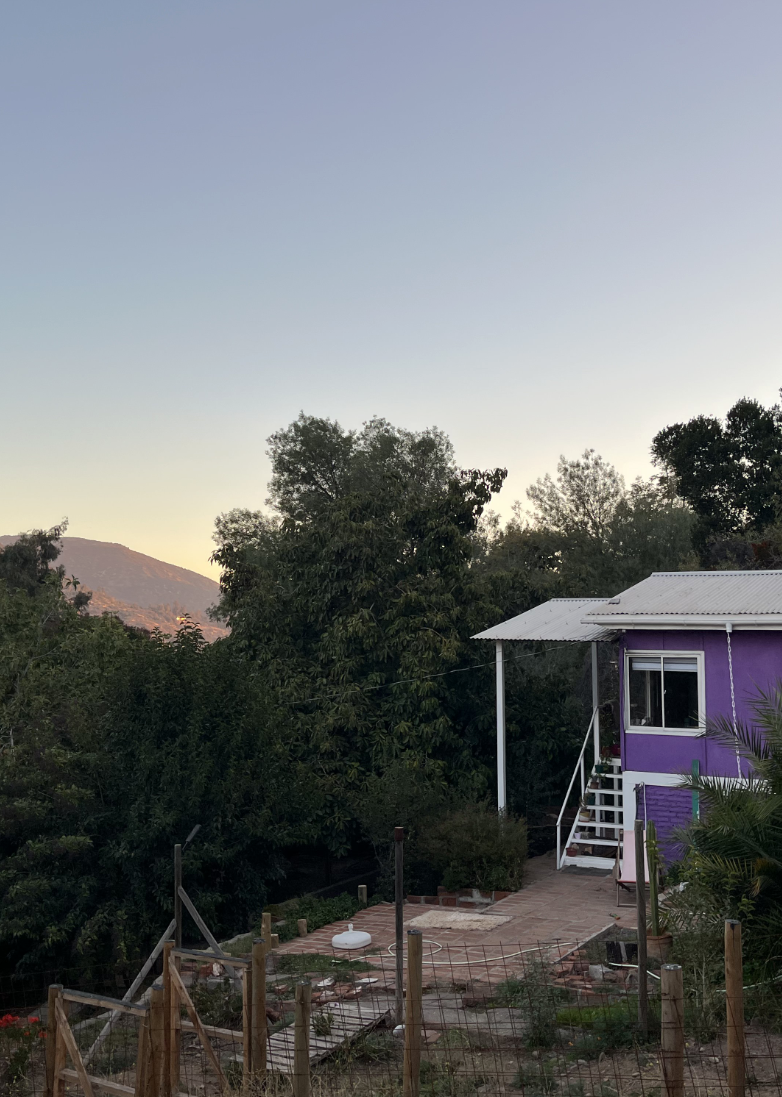
Cajon del Maipo, Santiago, Chile
 

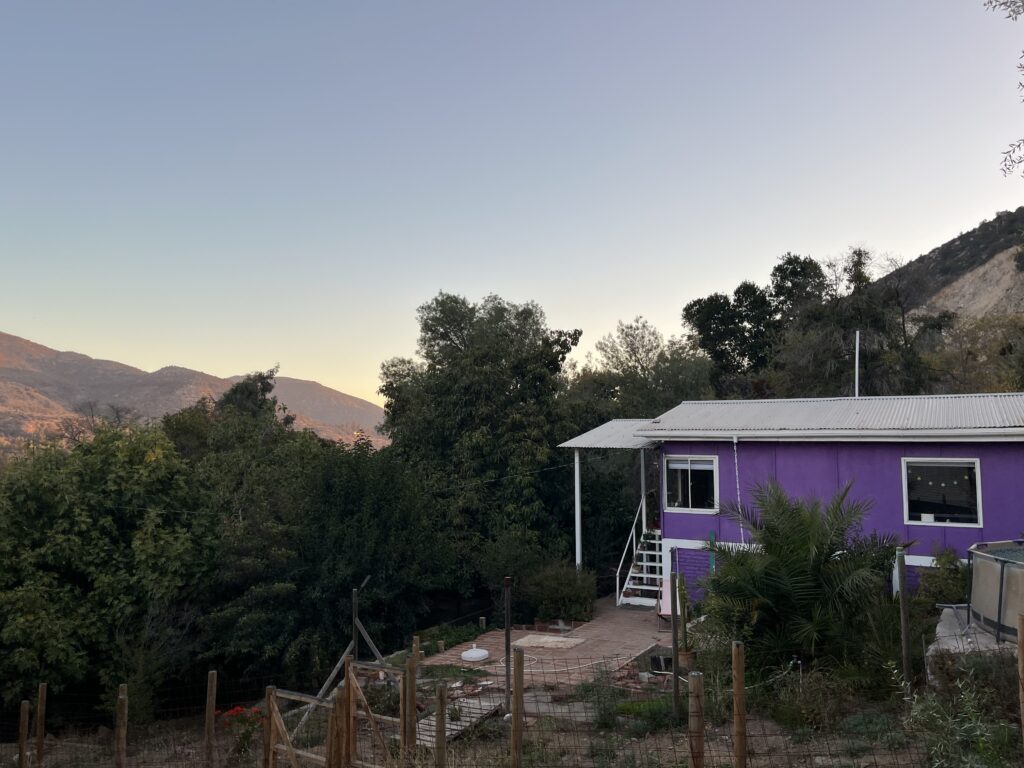
It is Easter weekend in a Catholic majority country. It’s Friday, and it feels like the whole world is counting down and holding its breath, waiting for a miracle they know will always come. Out here, though, Catholicism feels like a relic, a prop in an old mountain town with one main square. Something out of the Wild West, if such existed in Latin America. Old men sit around the square selling handmade tiles, reselling fake name-brand sports gear. A fine layer of dust covers everything. 

Dutch Blitz
Read more...

February 2026 Poetry Feature: Fatimah Asghar and Shane Moran

This month we welcome SHANE MORAN to our pages for the first time, and we welcome back FATIMAH ASGHAR; both poets have poems forthcoming in the print journal. Gratitude to both poets from all of us at TC.

Table of Contents:

—Fatimah Asghar: “[madness]” and “[pagamento]”

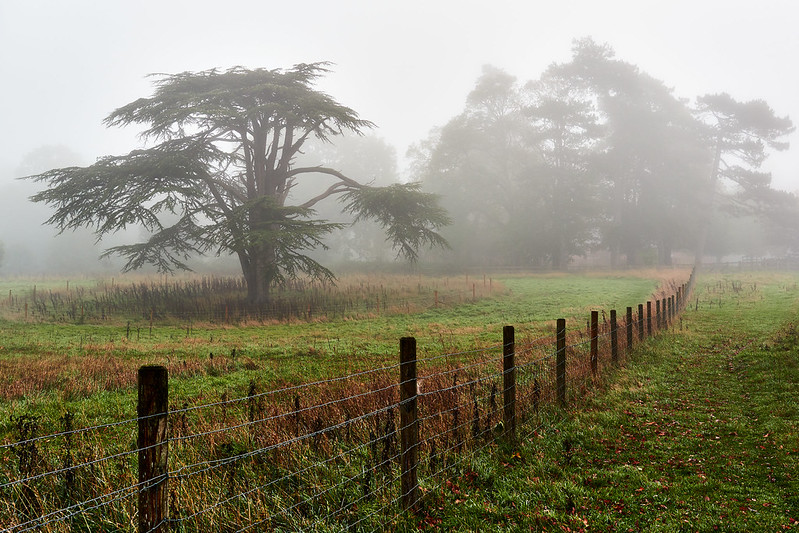
—Shane Moran: “Cedar of Lebanon” and “Les Docks / Chatelet”

February 2026 Poetry Feature: Fatimah Asghar and Shane Moran
Read more...

Review of Pastorals by Rachel Hadas

By RACHEL HADAS

Reviewed by REEVE LINDBERGH

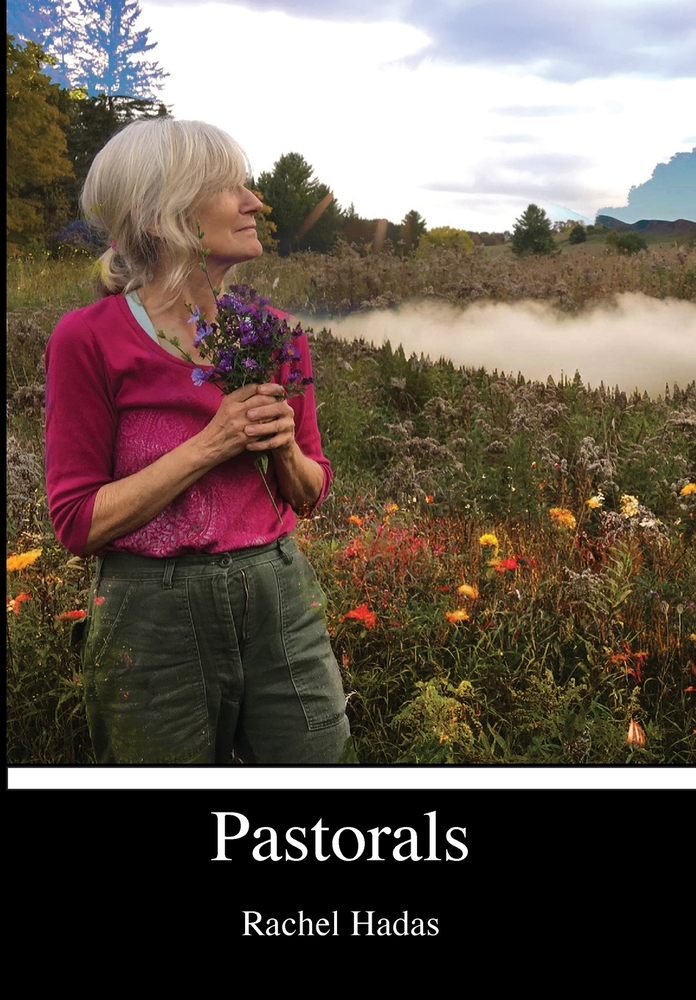
Book cover of Pastorals by Rachel Hadas

Rachel Hadas is a close friend, someone I have known since the early 1970’s, and a summer neighbor in rural Vermont. She lives in a house that has belonged to her family, one generation following the other for many decades. Her new book, Pastorals, is an exquisitely written collection of brief reflections and meditations essentially but not exclusively centered on the house.

“Can one feel nostalgic for the present, especially when it’s layered so palpably over the past?” The writer asks herself this at the beginning of the book. Within the present as she lives and writes are the unseen presences of those who have visited or inhabited the same dwelling in the same place. They are not exactly ghosts but instead “the presence of an absence,” something Hadas feels at odd moments indoors or out: while going up the stairs; in the midst of picking blackberries on the hill; on the way down the dirt road to the mailbox. She likens these “seasonal phantoms” in her summer house to the ghosts in Walter De La Mere’s poem “The Listeners,” a poem that had puzzled but did not frighten her when she read it as a child. Readers of Pastorals will learn quickly that Hadas’s memory is filled with the poetry and prose of every age and nation along with her own beloved family ghosts.

Review of Pastorals by Rachel Hadas
Read more...

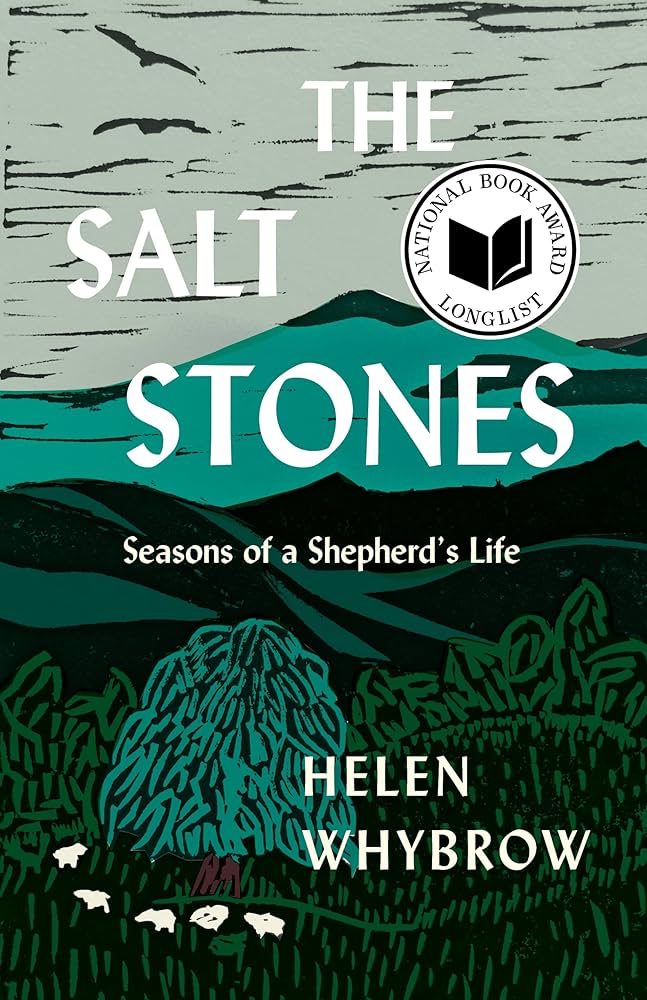
Excerpt from The Salt Stones: Seasons of a Shepherd’s Life

By HELEN WHYBROW

Book cover of The Salt Stones by Helen Whybrow


This piece is excerpted from the memoir The Salt Stones: Seasons of a Shepherd’s Life by Helen Whybrow, a guest at Amherst College’s eleventh annual literary festival. Register and see the full list of for LitFest 2026 events here.

A bird is not born knowing how to fly. Not exactly. Leaping off a rafter and opening two perfectly constructed aerodynamic wings will get a fledgling only so far—usually to another rafter, or a spot on the ground, or sometimes to a confusing corner of a window where an invisible cobweb will wrap its sticky strands around a beating wing and mangle the delicate microzippered fibers ever so slightly so that the wing no longer beats at all.

Excerpt from The Salt Stones: Seasons of a Shepherd’s Life
Read more...

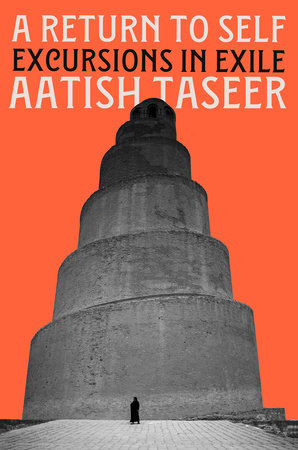
Excerpt from A Return To Self

By AATISH TASEER

Book cover for A Return to Self

This piece is excerpted from the memoir A Return To Self by Aatish Taseer, a guest at Amherst College’s eleventh annual literary festival. Register and see the full list of for LitFest 2026 events here.                                                                                              

At 9:05 a.m. on the tenth of November, 2020, a hush fell over the leaden turbulence of the Bosporus. All activity on the strait ceased. Coast Guard ships, ferries, and caïques, like the younger members of a tribe of large marine mammals, drew close in a circle. Behind them, a Turkish destroyer kept vigil, the blue of its gunmetal merging with the strait’s frigid waters. A red-bottomed freighter marked with the words iraqi line hulked in the background. That cityscape of sea-blackened buildings, broad panes glazed silver in the daytime darkness, was no ordinary Left Bank, no mere farther shore. The silhouette of low domes and pencil-thin minarets piercing a nimbus of pale sky above was the continent of Asia. The wonder of looking at it, with my feet still planted on the shores of Europe, was not lost on me. I had been in Istanbul for less than seventy-two hours. The air grew heavy with anticipation, and then, low and deep and melancholy as whale song, came the first moan of a ship’s horn.

Excerpt from A Return To Self
Read more...

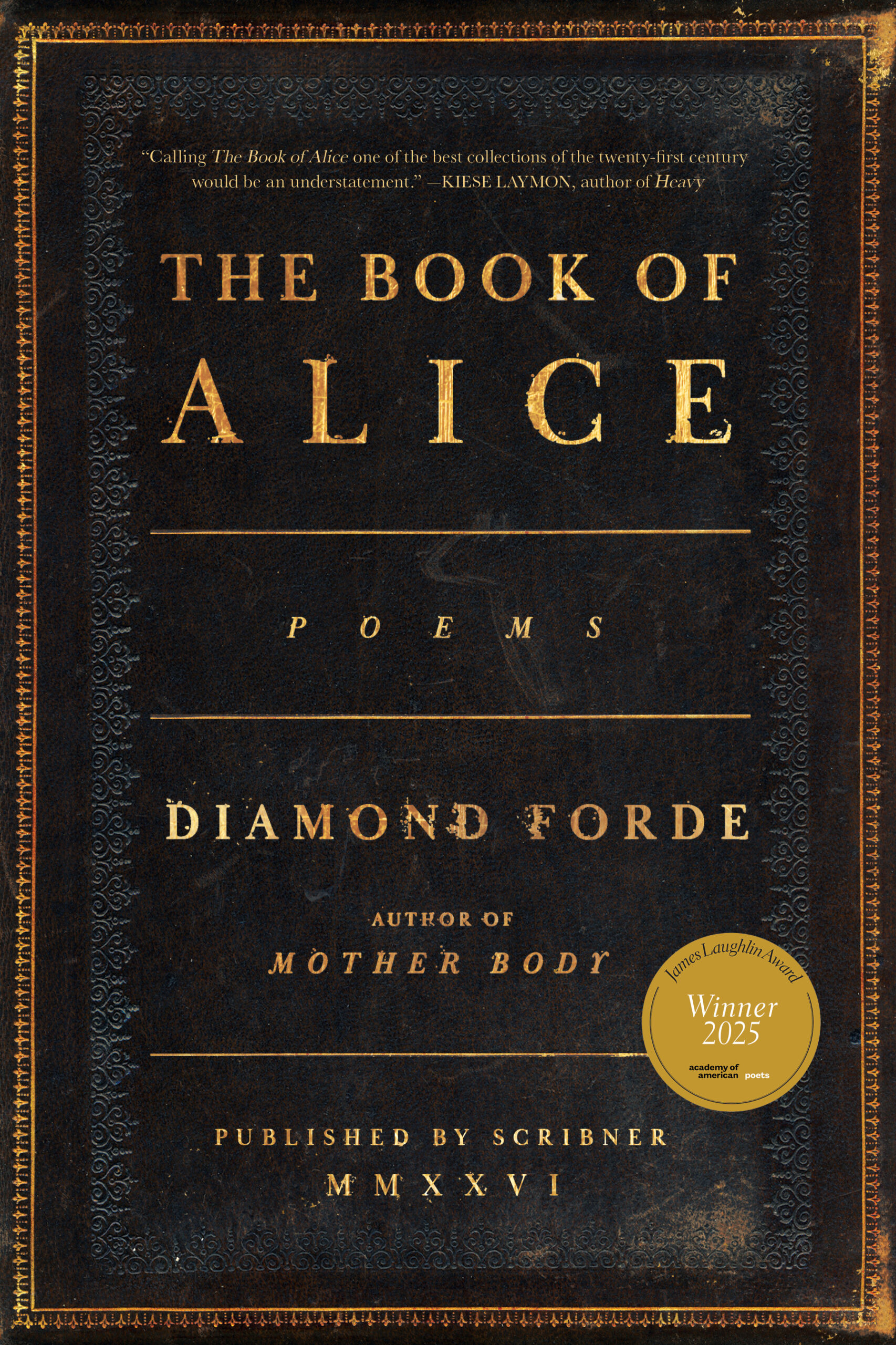
From Teaching Herself How To Survive to Teaching Us All: Rosa Castellano Interviews Diamond Forde

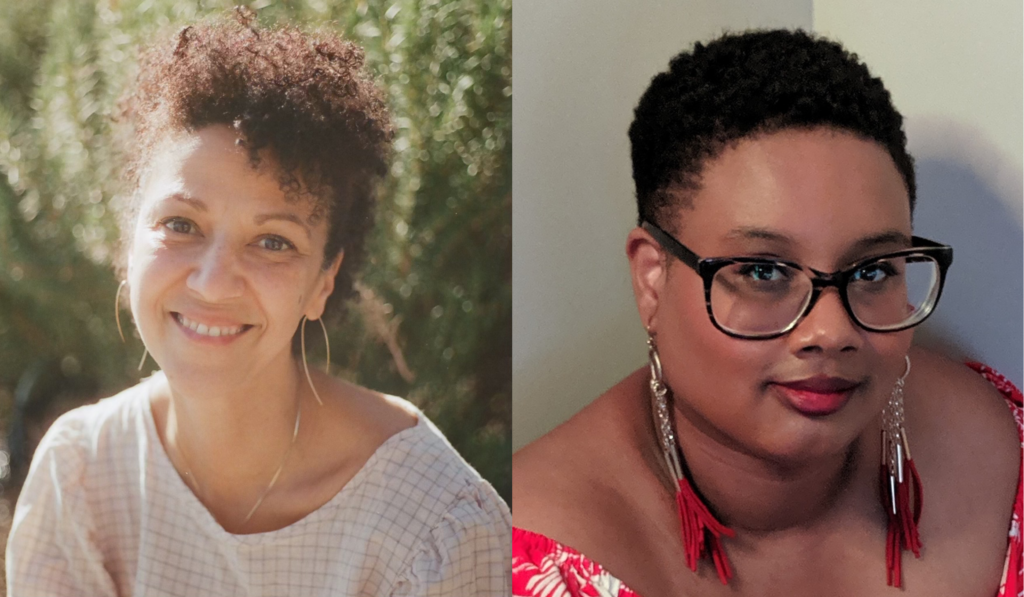
Rosa Castellano (left) and Diamond Forde (right)

DIAMOND FORDE’s newest poetry collection, The Book of Alice, was the winner of the Academy of American Poets’ James Laughlin Award and was recently published by Scribner Books. Her first poetry collection, Mother Body, was a Kate Tufts Discovery Award nominee. 

For this interview, Forde connected with friend and fellow poet, ROSA CASTELLANO, over Zoom. Castellano sipped coffee in Richmond, Virginia, while Forde sat in her bright office in Raleigh, North Carolina. Her dog, Oatmeal, curled at her feet. The poets discussed navigating family memories, the Bible, and Scribner selecting Forde’s manuscript during their open call for poetry manuscripts in 2023.

From Teaching Herself How To Survive to Teaching Us All: Rosa Castellano Interviews Diamond Forde
Read more...

Three Poems by Mary Angelino

By MARY ANGELINO


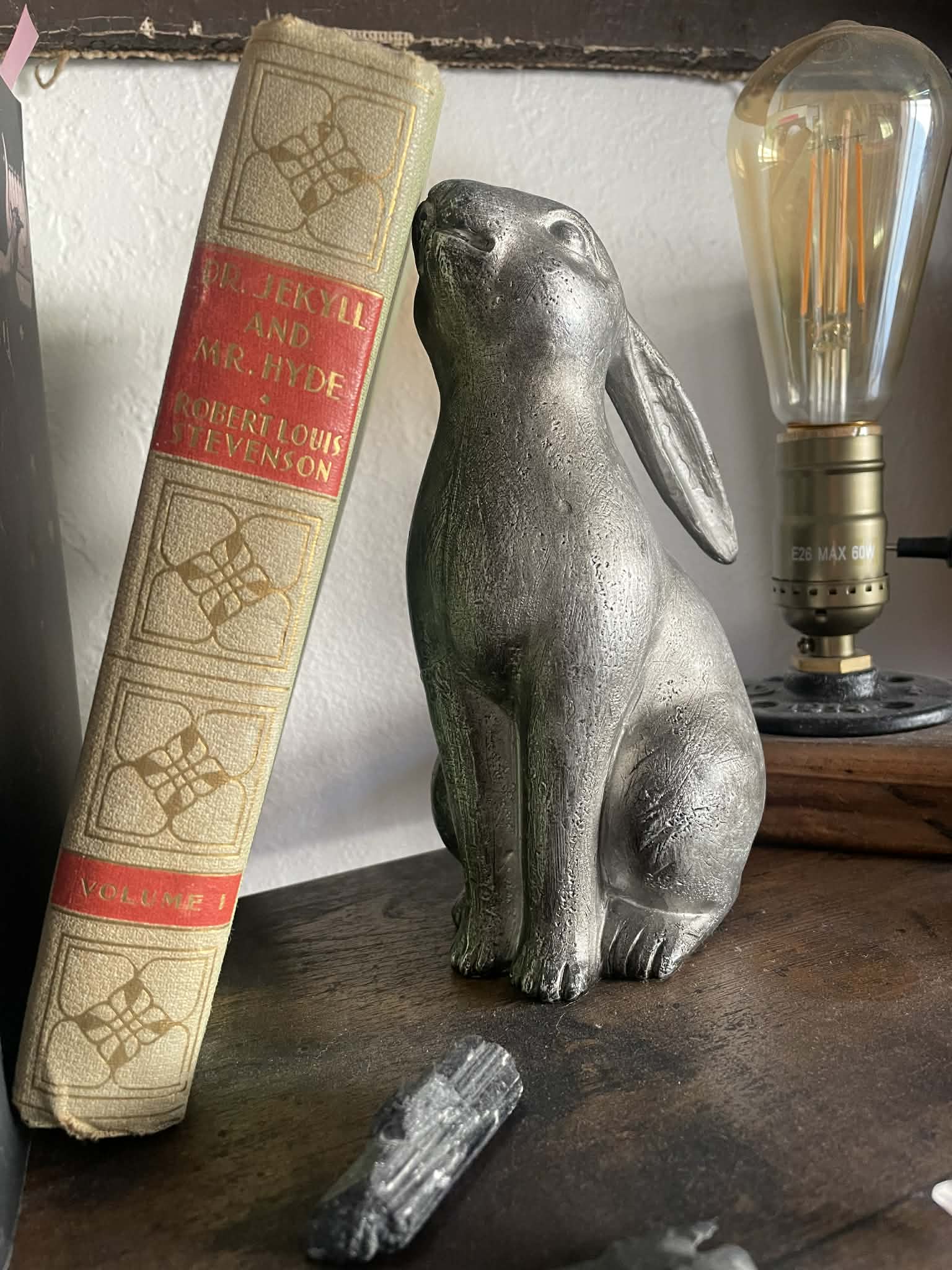
A sculpture bunny leaning against a book


#giftinspo for Cottagecore Girls

Dispatch from Santa Clarita, California,
    nowhere near a cozy forest cottage, August, 2025

Nose heavenward, ears like capsized canoes,
I unbox a silver-gray rabbit, painted to look

metal and heavy. My new useless
bookend. Plastic. Stiff and unsteady—

I would have missed it on a shelf, out shopping
like people used to do, maybe held its weight

Three Poems by Mary Angelino
Read more...