By RU FREEMAN
Eudora writes to William about roses
Mr. Hennessey’s Gloire Dijon
Beauty of Glazenwood found
on the sides of barns its yellow
flaked with red caught only
from the windows of passing trains
By RU FREEMAN
Eudora writes to William about roses
Mr. Hennessey’s Gloire Dijon
Beauty of Glazenwood found
on the sides of barns its yellow
flaked with red caught only
from the windows of passing trains

Amherst College’s tenth annual literary festival runs from Thursday, February 27 to Sunday, March 2. Among the guests is PAISLEY REKDAL, whose book West: A Translation was longlisted for the National Book Award. The Common is pleased to reprint a short selection of video poems from West here.
Join Paisley Rekdal and Brandom Som in conversation with host Ruth Dickey, Executive Director of the National Book Foundation, on Sunday, March 2 at 2pm.
Register and see the full list of LitFest events here.
Not
The houses are photographed with light in mind:
The sun, they say, is shining here. The filter
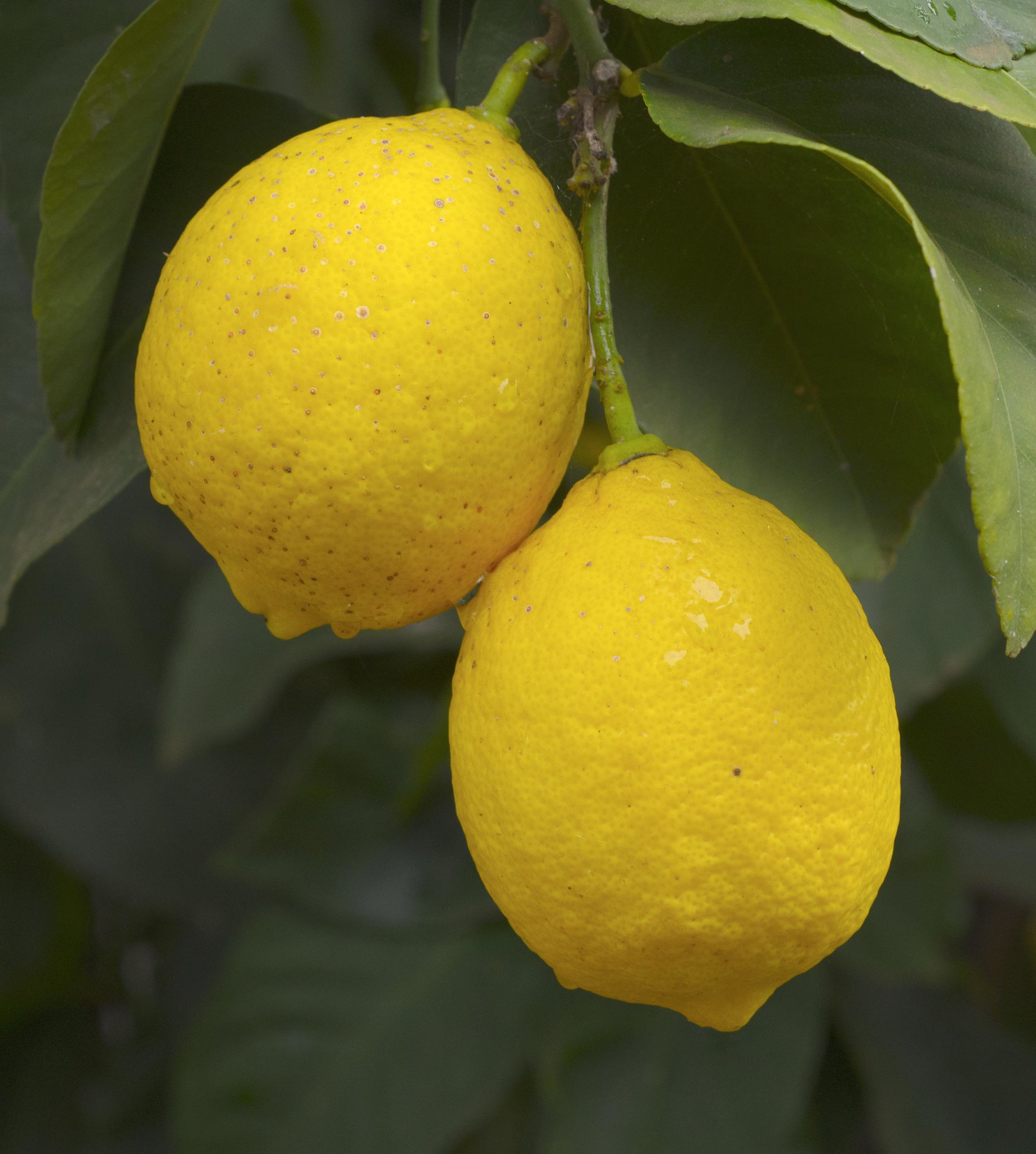
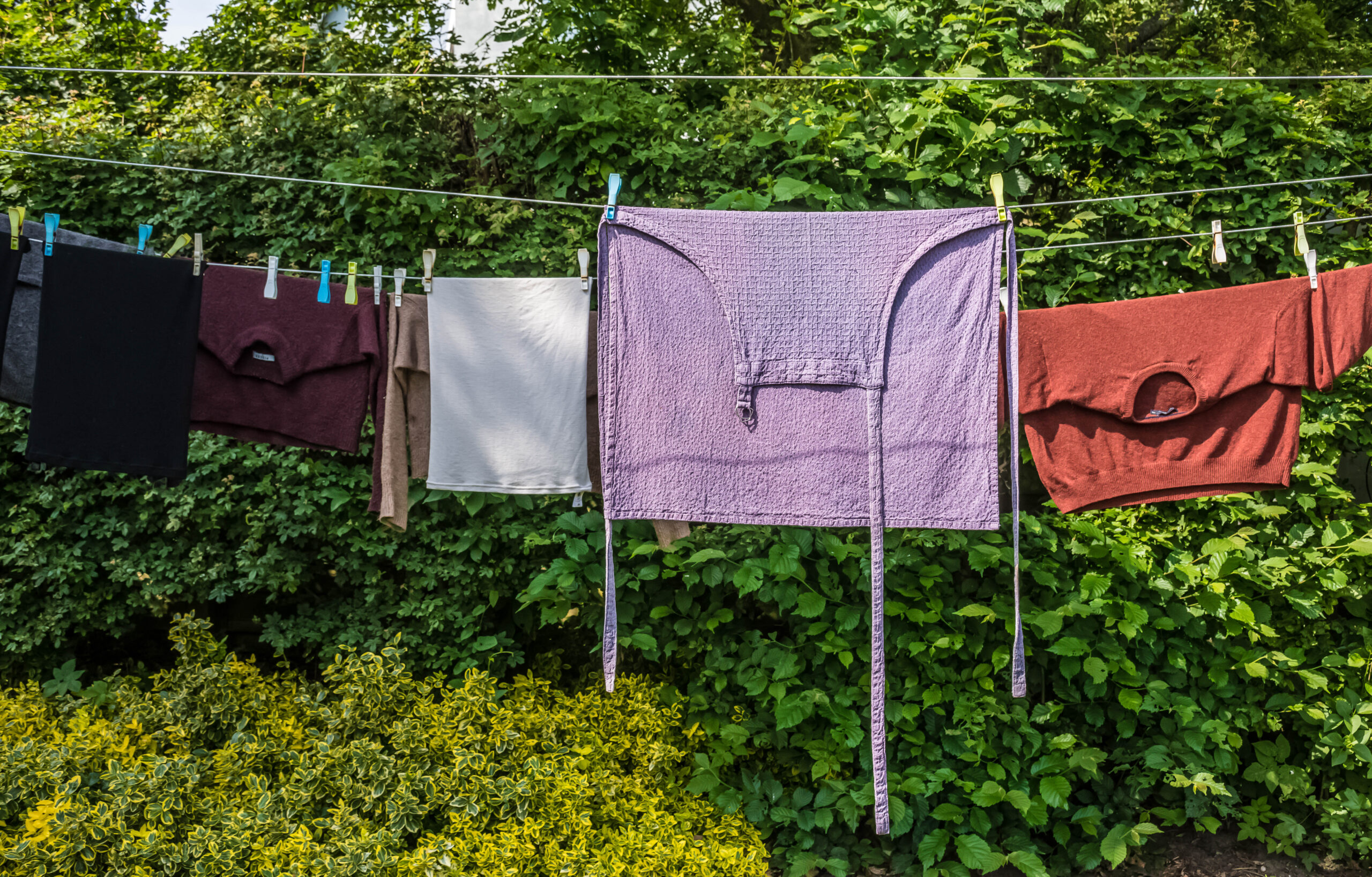
hints at lemons: fresh laundry on a quaint
old line. The “den” becomes the “family room”
where we’d play rummy and watch TV, the square
footage enough to hold all of our misgivings.
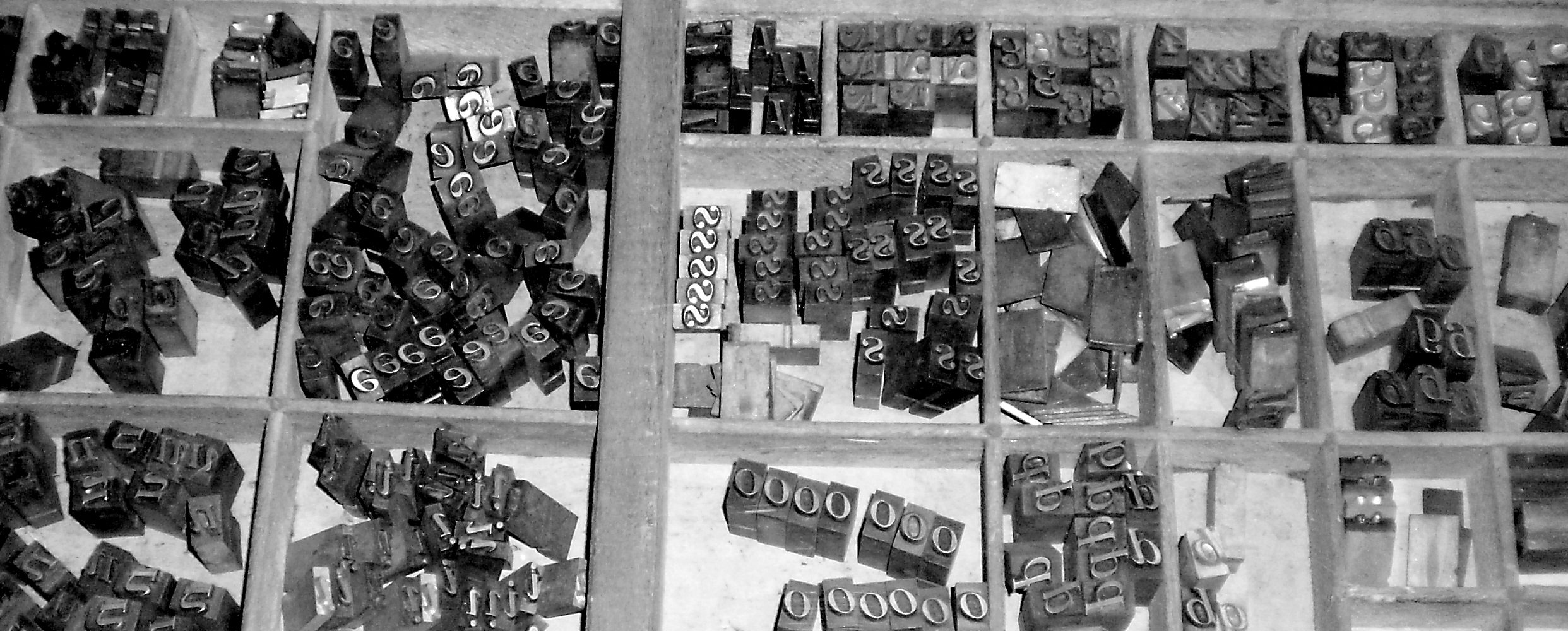
We are stretching towards each other,
words tangling. The words can’t always
be torn apart. Sometimes you
are ти. Sometimes we touch.
Human systems exist in the mystery
always at the point of spilling
over green, over and over their present containers
of cities and grids and human perception
for what of entanglements, what of catastrophes
what of black holes, of soot from burnt timber
what of seashells, snails, urchins in the pavement
of ancient Greek settlements

We watch the trees the way we watch the birds,
sitting more quietly than we have to,
though trees do not respond to sudden motion,
a crossing fox, a knock on the window,
or anything less momentous than the day.

The coyote ambles down the middle of Chester Street
and I mistake it for its domestic cousins
but it’s stouter, a strange gray white,
directionless, undecided. My dog may know
it’s not a dog because he stares blankly back at it
without his temperamental bark and growl.

|
On 88th, the street where I lived as a girl when an hour could seem an eternity, it would be years before I met the young man who pointed out that those numbers, turned on their sides, had a special meaning. What meaning? I wondered and pondered the two unbroken loops pinched at their centers, forever returning to themselves like a pair of ice skaters tracing figure eights into a state of bliss. I wondered if he thought that love is infinite, that our souls will live forever, that sky even on crystalline days moves into unseeable endless space. I was thinking that the iris of his hazel eyes pulled me into a place where I could feel lost or float before thought was possible, as if in vitro. I no longer live on 88th Street, having left double infinity in its impossible realm. Because infinity cannot be multiplied or divided—infinity just is. Still, I was grateful that I didn’t live on Main Street or Elm, and the young man I married found meaning on that finite block in Queens where he found me. |

By ANNA BADKHEN
As soon as I read about the albatrosses in the Times, I thought of my big sister. Natasha.
“Natasha—albatross ty nasha,” Aunt Lyuba would sing in the communal kitchen, slinging blobs of wheat porridge into my bowl with the cornflower border. Each time she’d shuffle the bowl from the stove over to Natasha-and-my table, her felt slippers would catch on the peeling linoleum floor, and I’d worry about my breakfast. But Aunt Lyuba never slipped.

Far from our house, winding roads
and years away. I promised we’d never
bring him here. Behind black iron gates,
brick walls smothered with ivy.
Don’t miss an issue! Subscribe to The Common.