All posts tagged: September 2026

The Wall Climbers

By AMAYA RANATUNGE

GalleFort

Galle Fort, Sri Lanka

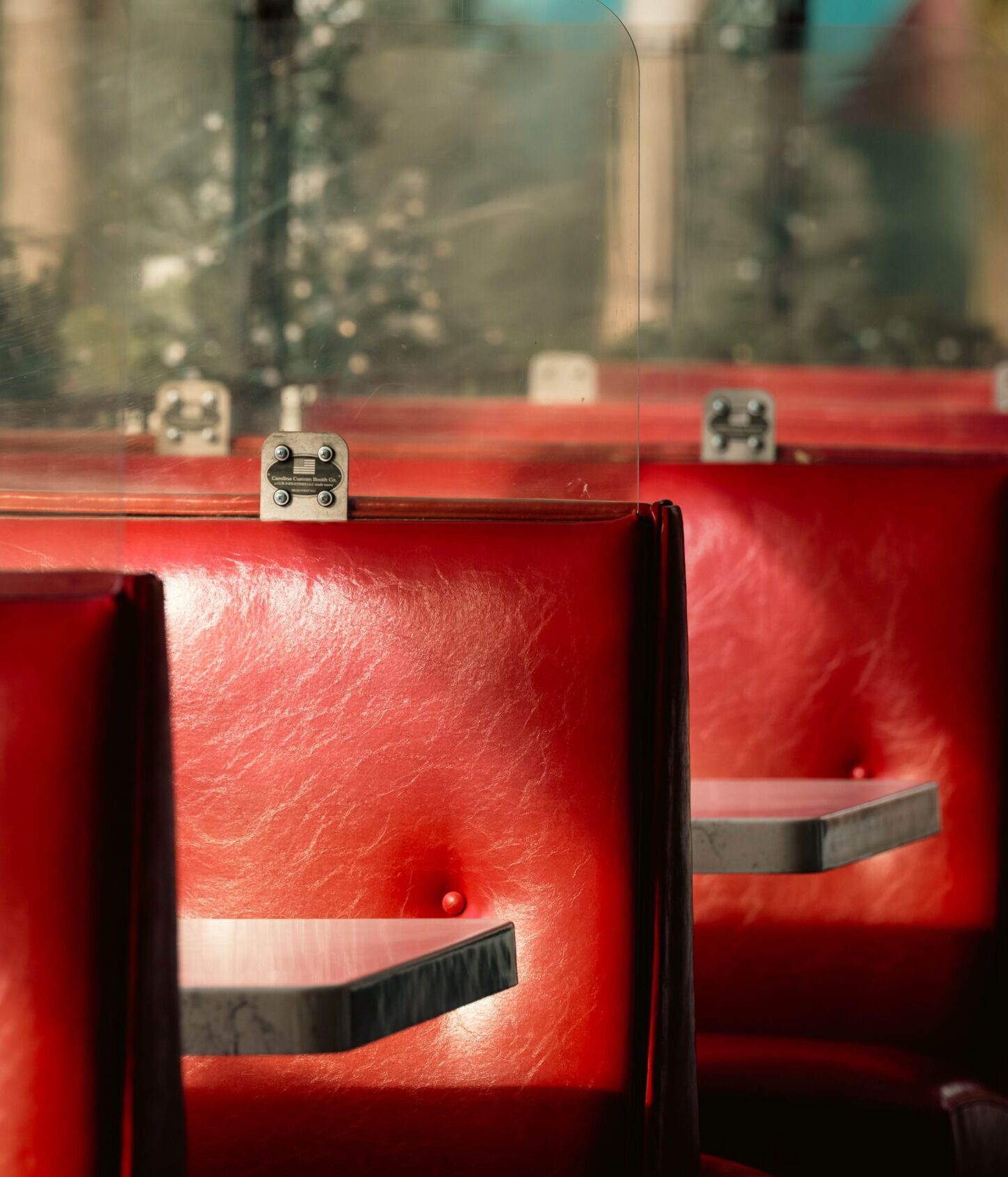
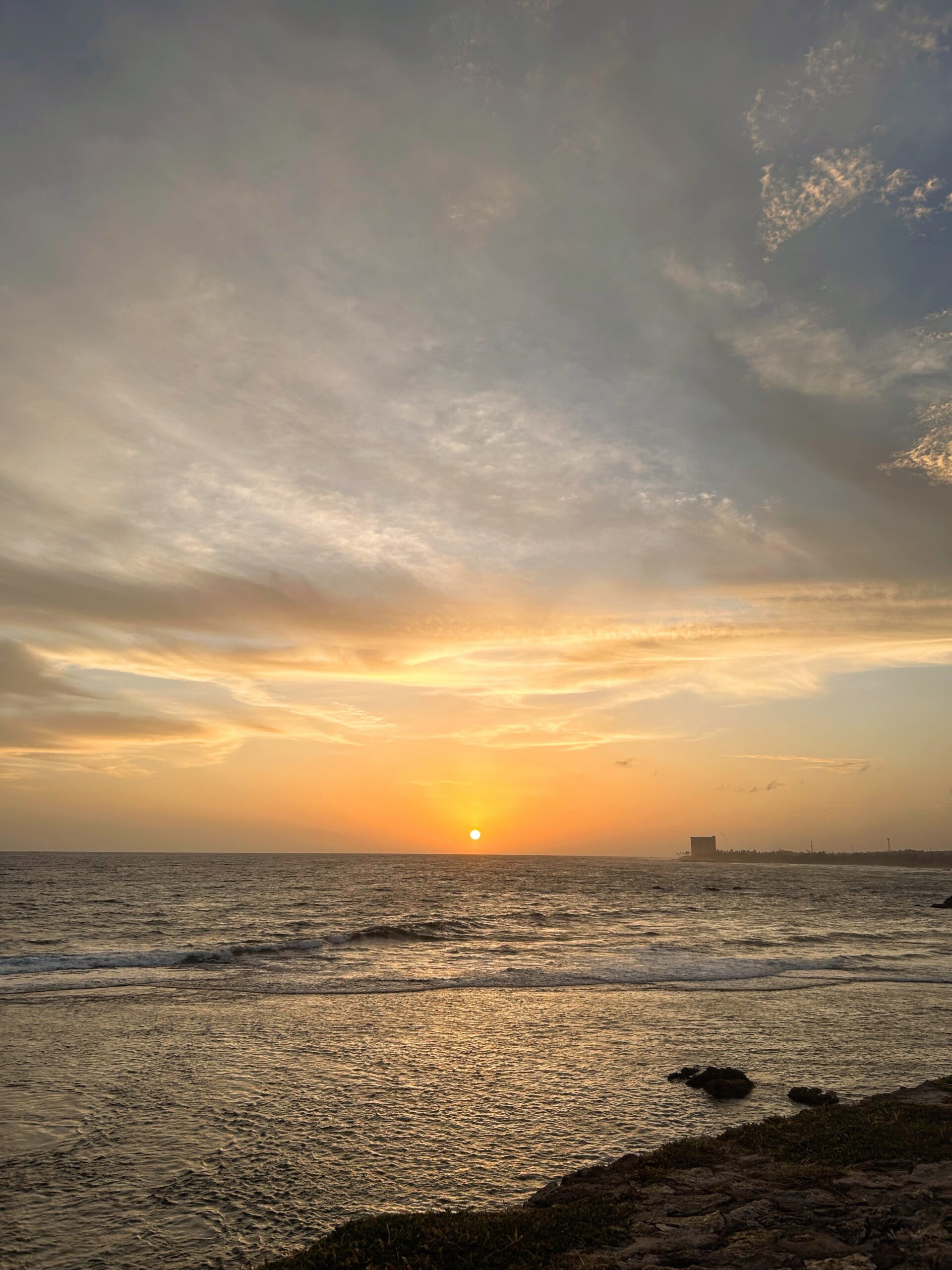
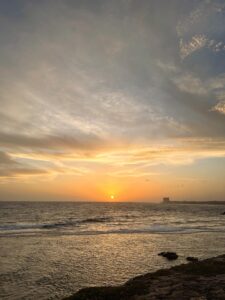
Back home, the salt arrives before the sea. It rides on the evening wind, settles in your pores, and clings to the stone walls of the fort. On some evenings, when the waves are rough enough, the salt-bitter perfume of the sea accompanies a loud orchestra of sloshing and shushing, water lazily kicking the moist green moss on the bottom of the walls. Long before the sea comes into view, you taste it, saltier than the isso vade sold by the old man who pushes his cart through the fort everyday; you hear it, louder than the fretful tourists on the ramparts determined to take the perfect sunset photo for their Instagram; and you most definitely feel it, stickier than that melted Belgian chocolate ice cream from the nearby Gelato, dripping all over you.

The Wall Climbers
Read more...

Review: The Fifth Year by Marlen Haushofer

By MARLEN HAUSHOFER
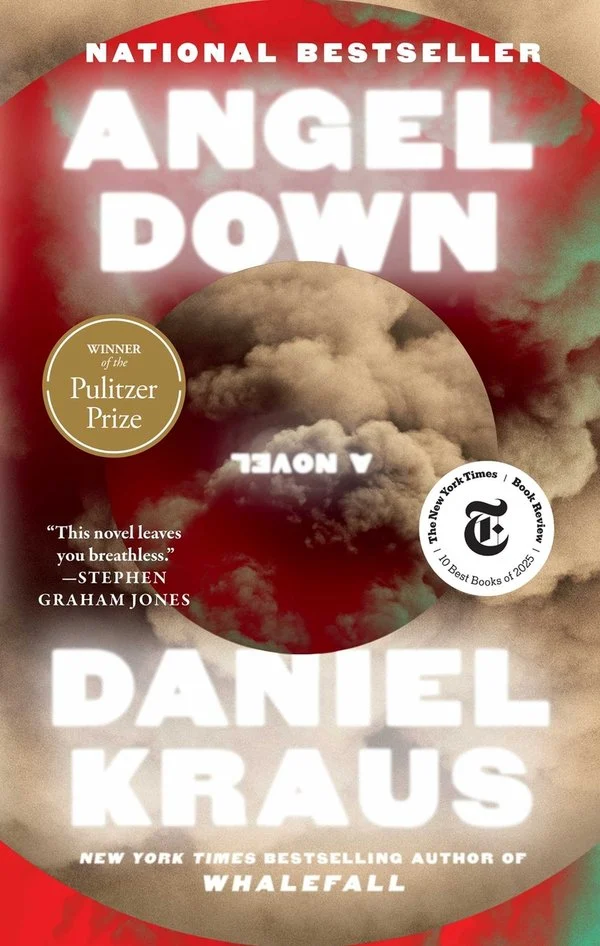
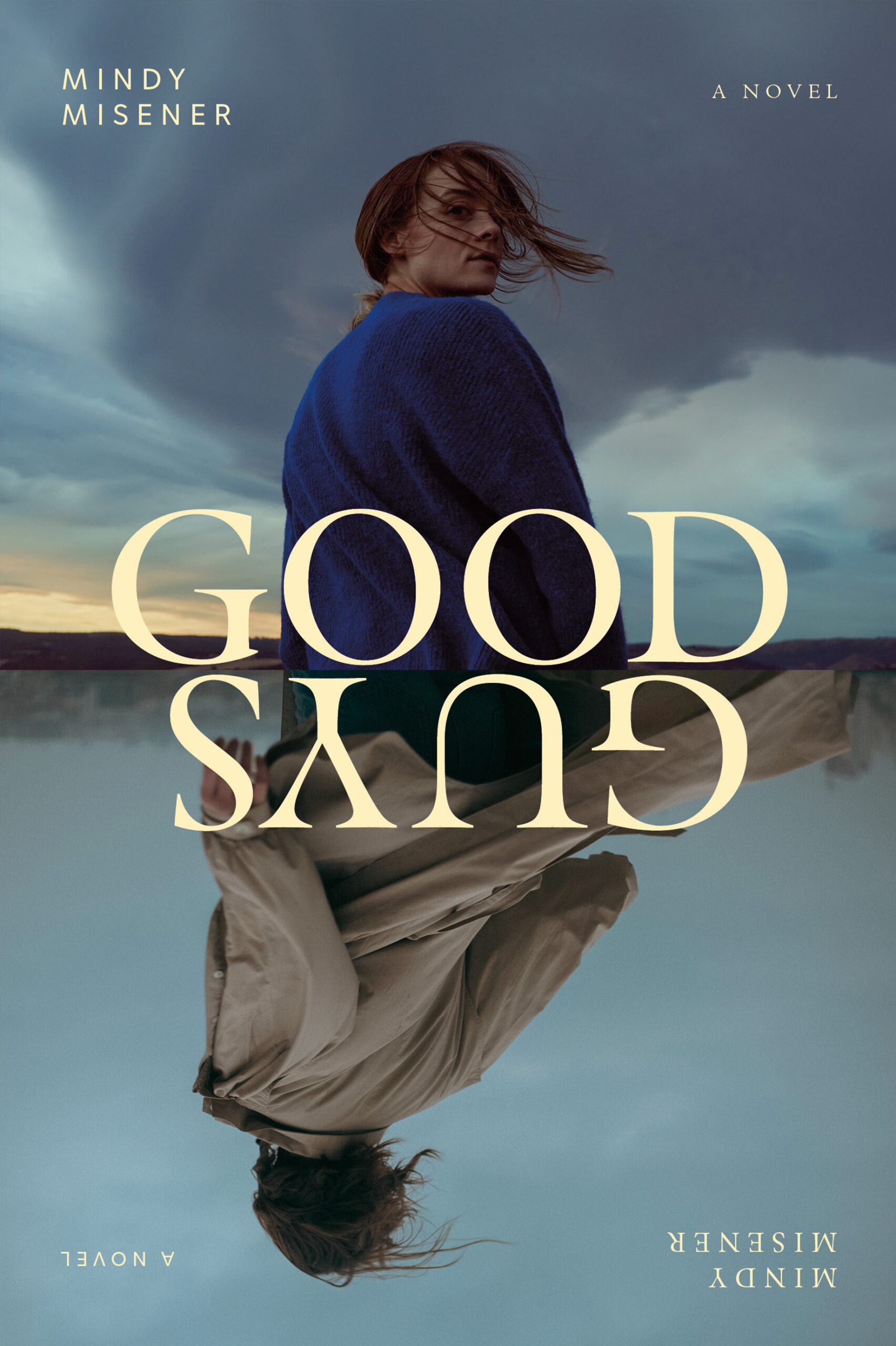
Review by BRIANNA BEEHLERBook cover of The Fifth Year by Marlen Haushofer

When I was a child, I was afraid to go upstairs by myself at my grandparents’ house. At the top of the stairs was a print of Pablo Picasso’s 1937 painting, Weeping Woman’s Head with Handkerchief III, and the sight of the woman’s tears found its way into my dreams at night. I didn’t know the painting’s context and the casual violence against civilians in Guernica that it referred to, but the image of the woman’s suffering would give me a sense of vertigo, and in the night I imagined climbing the stairs only to lose my balance on sight of the woman’s tight grip and upturned face.

Review: The Fifth Year by Marlen Haushofer
Read more...

Chupacabra

By RODRIGO URQUIOLA FLORES
Translated by SHAINA BRASSARD

Story appears below in English and the original Spanish.

Translator’s Note
It is a pleasure to share my translation of this short story from contemporary Bolivian author Rodrigo Urquiola Flores. This semi-autobiographical work of fiction transports the reader to the windswept edges of the city of La Paz during the early and mid-1990s, when young children like the author and myself were cognizant of the mysterious and feared chupacabra as a topic of conversation and media coverage.

The story is part cataloging of the author’s first significant experiences and memories. Thrillingly, the narrator takes us on a journey from the neglect and loneliness of his spare, dusty home to the high drama of the soccer stadium. It is nothing short of a revelation. In this third space, he finds seemingly all the raw materials of life: effort, teamwork, luck, heartbreak, agony, triumph, relief. 

Through the storytelling of his Aymara grandmother, Urquiola also takes us back in time to the Ocobaya hacienda, a site of subjugation and domination. I have resisted translating – and therefore decontextualizing – pongo, patrón, and amo, the unique terms of racialized power associated with this social and economic system. Curious readers are invited to learn more about haciendas, a significant feature of not-so-distant Latin American history with meaningful connections to the plantation system of the United States.

Chupacabra
Read more...