The Last Day of February

By DAVID LEHMAN

The month, shortest of the year, least popular, ends,
and on the radio there’s “Midnight Sun,” a concept
worthy of a Ramos Gin Fizz, if you have the ingredients,
it being understood that the weight of the world is too
hefty for any one consciousness to bear, let alone to
comprehend. More songs come: Doris Day, Bea Wain,
Bob Eberle sings “Tangerine” like a ballad and then
Helen O’Connell picks up the satire and the pace.
O, music of the 1940s! What sense did you make
to my father-in-law in the ninety-fourth division,
three hundred and first battalion, company G,
from Normandy to Bastogne, “Roosevelt’s Butchers”?
A foot soldier in Patton’s army, he punched a bigoted sergeant,
served in Germany, liberated a camp, was never the same.


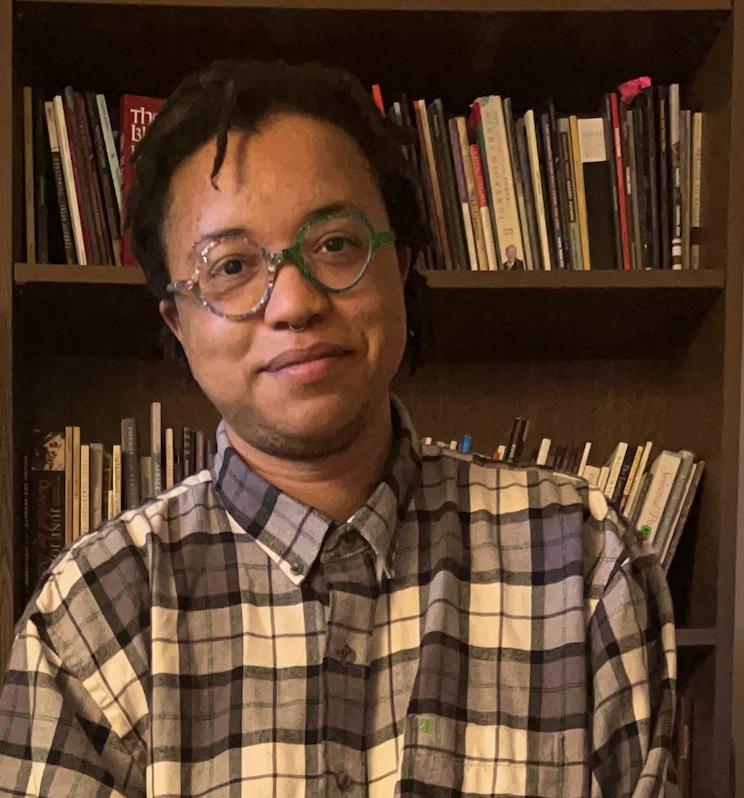
David Lehman’s most recent books are The Morning Line (poems) and The Mysterious Romance of Murder (prose). He edited The Oxford Book of American Poetry and is series editor of The Best American Poetry, which he founded in 1988.
[Purchase Issue 26 here.]

From the beginning, The Common has brought you transportive writing and exciting new voices. We are committed to supporting writers and maintaining free, unrestricted access to our website, but we can’t do it without you. Become an integral part of our global community of readers and writers by donating today. No amount is too small. Thank you!

The Last Day of February

Related Posts

They Could Have

CONSTANTINE CONTOGENIS
I’m just trying, wretch that I am, to put my life together. / Now, had the ruling gods bothered, they could have / made a fourth, who was good. / I’d have followed him, with pleasure. 

March 2026 Poetry Feature: Welcome Back Peter Filkins

PETER FILKINS
pissarro is dead cézanne too / swept away like willowed flotsam / that brute degas gone as well / chafing tides the sea of years // long ago battles fought discarded / ballast tossed from fame’s balloon / rising like heat and the unheard prices / feeding straw to the fires of need // for more garden cuttings variants

Two Poems by Heather Bourbeau

This forest is named for the first head of the National Forest Service, who warned of assuming natural resources were inexhaustible, who said without conservation we pay the price of misery, degradation, and failure, who asked if these resources were for the benefit of us all or for the use and profit of a few? He was also a leading eugenicist.