Knife Baby

By IDE AMARI THOMPSON

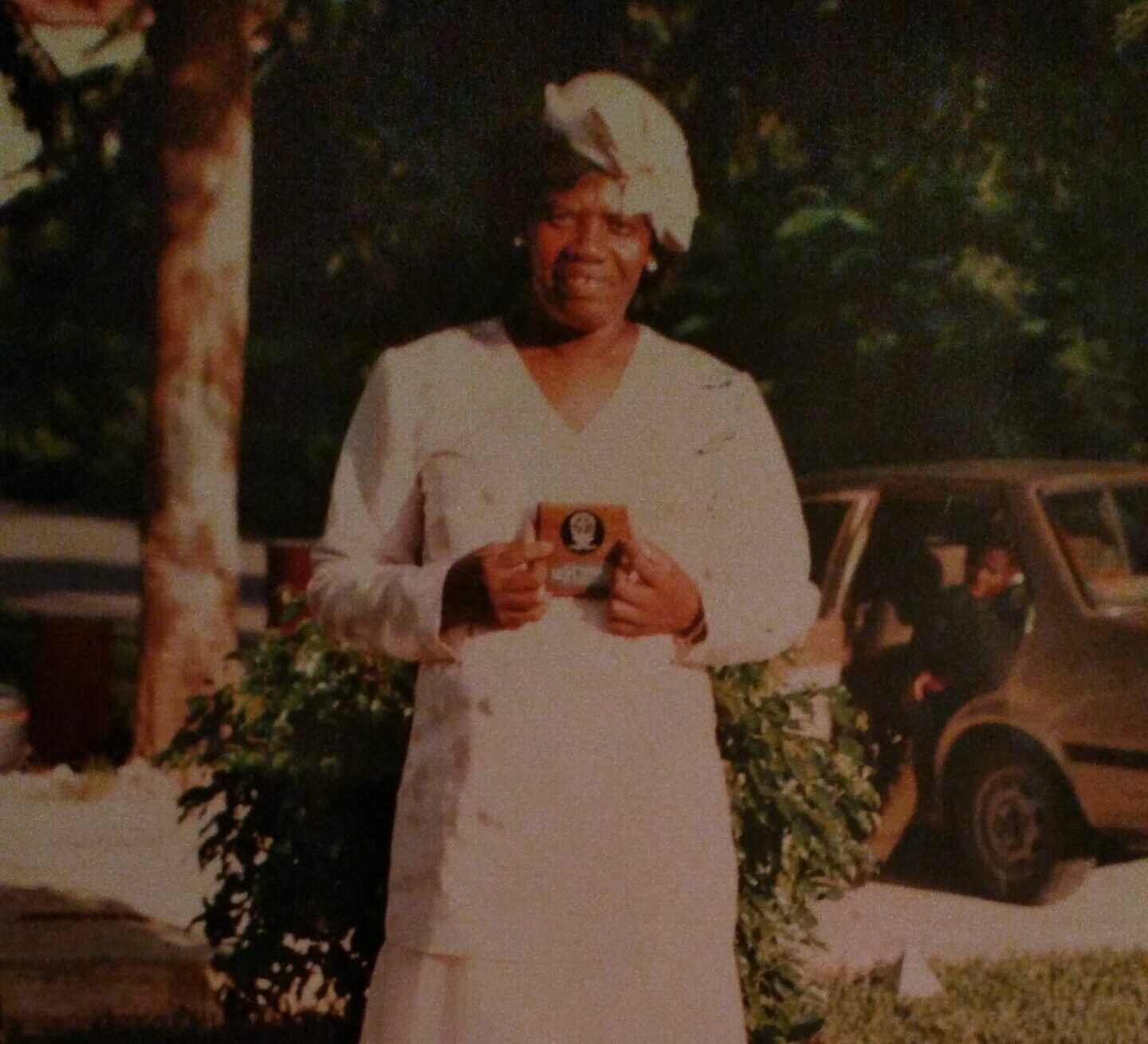
my Grammy taught me right 
from conception, her voice  
iron & honey in my bones
endless like the alto line
of a Zion Convection Choir 
full & bodied, darker than
than the mouth of the sea  

When you face your Goliath, don’t take no soft rock to he armor  
get ya paring knife ann learn how to twis’ & jick it in,  

 she guiding my hand as 
 I moved the blade into 
hog flesh, so pink it reminded me  
of the conch shell shattered and cut  
to make these cemi: 
seahorse, turtle shell,  
sliced belly of the coconut 
for bowl and bell-house,
higuaca feathers,  
tongues of the rising 
 sun, hanging
on my unworthy neck. 
since then, every time I lift 
my macana, conch tooth
blade, in praise of violence,
to jook a man trying to add  
my dismembered body to a 
garbage can, a room too small
 to hold, my light, while I sing, 
words of incrimination, the only
 laudable salvation for sissies 
 in these riotous times. 
I think of the pig’s body  
I cut to spite my  
Queer soul 
warm and  
bleeding 
Out. 


[Purchase Issue 32 here.]


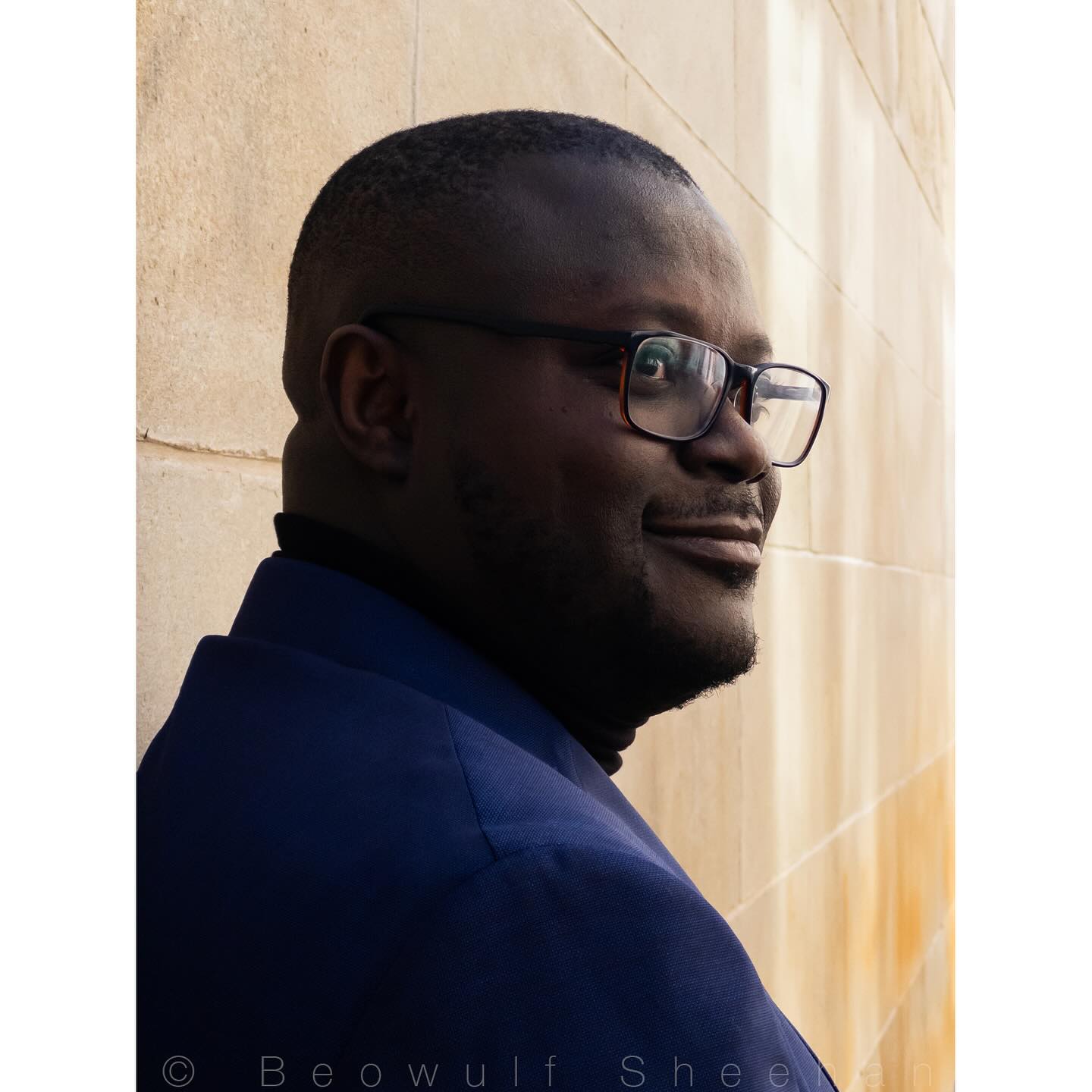
Ide Amari Thompson (he/they) is a Black and Queer Caribbean writer from Nassau, Bahamas. They are a UMass Amherst MFA alum and an MA-PhD student at Penn State. Their work has appeared or is forthcoming in Caribbean Quarterly, SX Salon, Prairie Schooner, and Poetry, among other places.

From the beginning, The Common has brought you transportive writing and exciting new voices. We are committed to supporting writers and maintaining free, unrestricted access to our website, but we can’t do it without you. Become an integral part of our global community of readers and writers by donating today. No amount is too small. Thank you!

Knife Baby

Related Posts

For the Love of Loons

JAMES K. BOYCE
The human fascination with loons spans cultures and generations. For many who live in the north woods or spend their summers there, it has become a love affair. In 2025, the common loon was named “Bird of the Year” by the American Birding Association.

Headshot of Samuel Kolawole

Hyena Boys

SAMUEL KỌ́LÁWỌLÉ
The hyena boys came to Bonaventure, which was serendipitous, because he was used to avoiding the world before the world spurned him. For one, his white albino skin flecked with dark spots made him a regular target of mockery.

coffee with a spoon

If It Wasn’t for Heroin

AMIYA MORETTA
My Umatilla grandfather / who had one leg, lived down the road, / hobbled to her heroin loyally. / That’s how / my mom and dad, neighbors whose parents / were good friends and fellow addicts, / met as kids, played together / on Frieda Street, those mornings