Luchik Belau-Lorberg

Jesus’ Body Found Outside Ice Cream Parlor in Black Suburb 

By STEFAN BINDLEY-TAYLOR

His left wrist dangled out the half-wound-down glass of a boxy brown Cadillac with red felt seats. Flies drifted in and out. He had a dip top cone in his hand. The place was famous for them. You’d think it would be melting in the heat, but the molten chocolate shell held the ice cream within firm and cold. The air reeked of gasoline. No one had thought to turn the engine off. 

Jesus’ Body Found Outside Ice Cream Parlor in Black Suburb 
Read more...

Naow’s Boutique

By RO SKELTON

The first apartment that I lived in in Dakar was brand new and backed onto the far end of the airport runway, so that from my bedroom window I had a distant view of the ocean and of a vast baobab tree silhouetted against the hazy Saharan sky. The neighborhood––modest two-story family homes and the occasional new building like mine––was as far out of town as taxis would go, and even then they would refuse to take me the whole way, grumbling as they dropped me at the entrance to the neighborhood, so that I had to walk the rest of the way to my apartment along a potholed, sandy road.

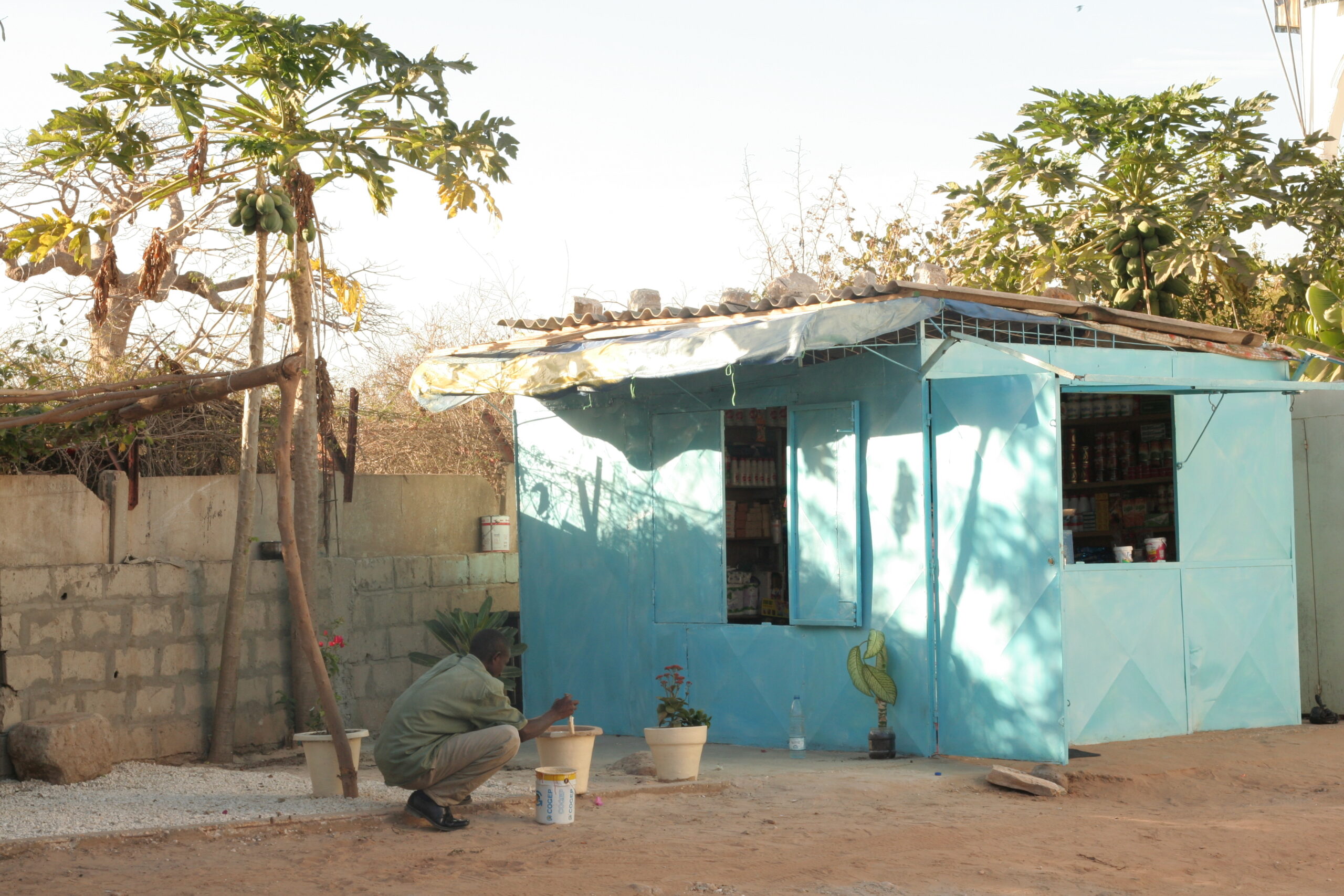
Naow squatting by a pot in front of a turquoise building.

Naow’s Boutique
Read more...

Working In

By ANDREW STEINER

The first time I saw Lake I was sitting on the bench between sets, waiting for the burn in my chest to subside. She walked past me to the big cage and slung her duffel to the floor. I watched with idle interest as she wrapped her wrists with soft black straps and wrangled her hair into a high loop. Her rose-colored Alphaletes came up well above her hips, and she wore a long-sleeved crop top that announced in block letters   

NO TIME FOR RATS. 

NO TIME FOR SNAKES. 

Working In
Read more...

*** 

By J. J. STARR 

in faith             i pray for you… 
i wasn’t            aware of you 

i think of you free 
a song     a night           you… 

pieces, i can share  
just some with you… 

*** 
Read more...

They Could Have

By CONSTANTINE P. CAVAFY
Translated from the Greek by CONSTANTINE CONTOGENIS

Poem appears in both English and Greek below.


Translator’s Note:
In translating Cavafy I was most absorbed and, at times, confused by his irony. People make ironic points—no confusion. But some of Cavafy’s irony does not come to a sharp point. I call this unresolved irony, which adds to but doesn’t settle the semantic and emotional atmosphere. The experience of reacting to the irony in the context of its poem can be frustrating. Instead of crystalizing our understanding, or, as a kind of compass, leading us to the author’s side, the irony works within a poem to help create an experience of widening awareness, giving us a touch of wisdom.
              — Constantine Contogenis

They Could Have
Read more...

LitFest 2026 in Review

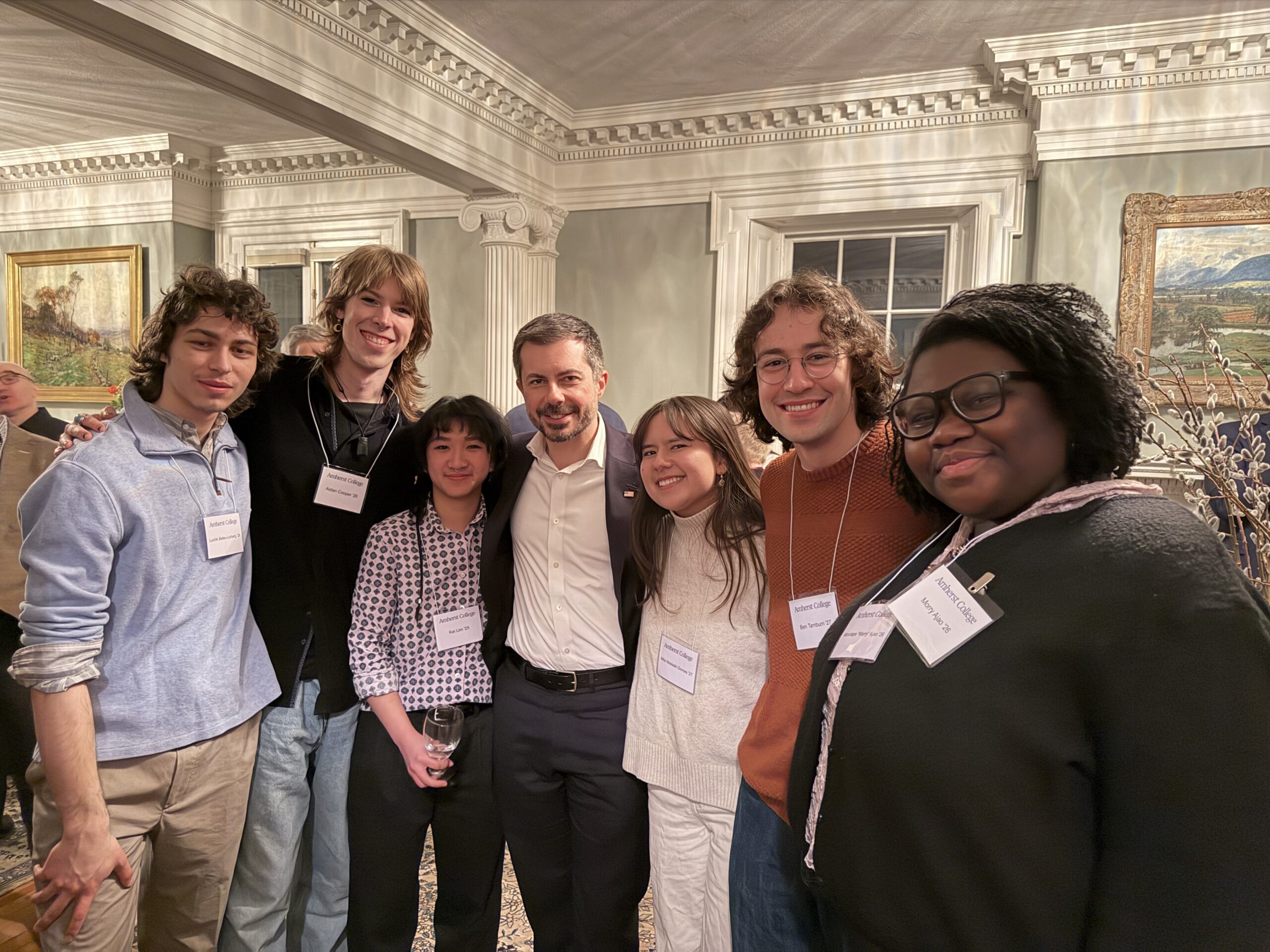
Art and politics took center stage at our 11th annual LitFest! From February 26th to March 1st, the community flocked to Amherst College for talks by Jamaica Kincaid, Pete Buttigieg, and more. Students competed in the Spoken Word Slam, and filled seminar rooms for craft classes with Jamaica Kincaid, Lena Khalaf Tuffaha, Evie Shockley, and Dan Chiasson

Read on for a gallery of selected images and videos from LitFest 2025, and view all the event recordings here before they expire.

LitFest 2026 in Review
Read more...

Two Poems by Heather Bourbeau

By HEATHER BOURBEAU

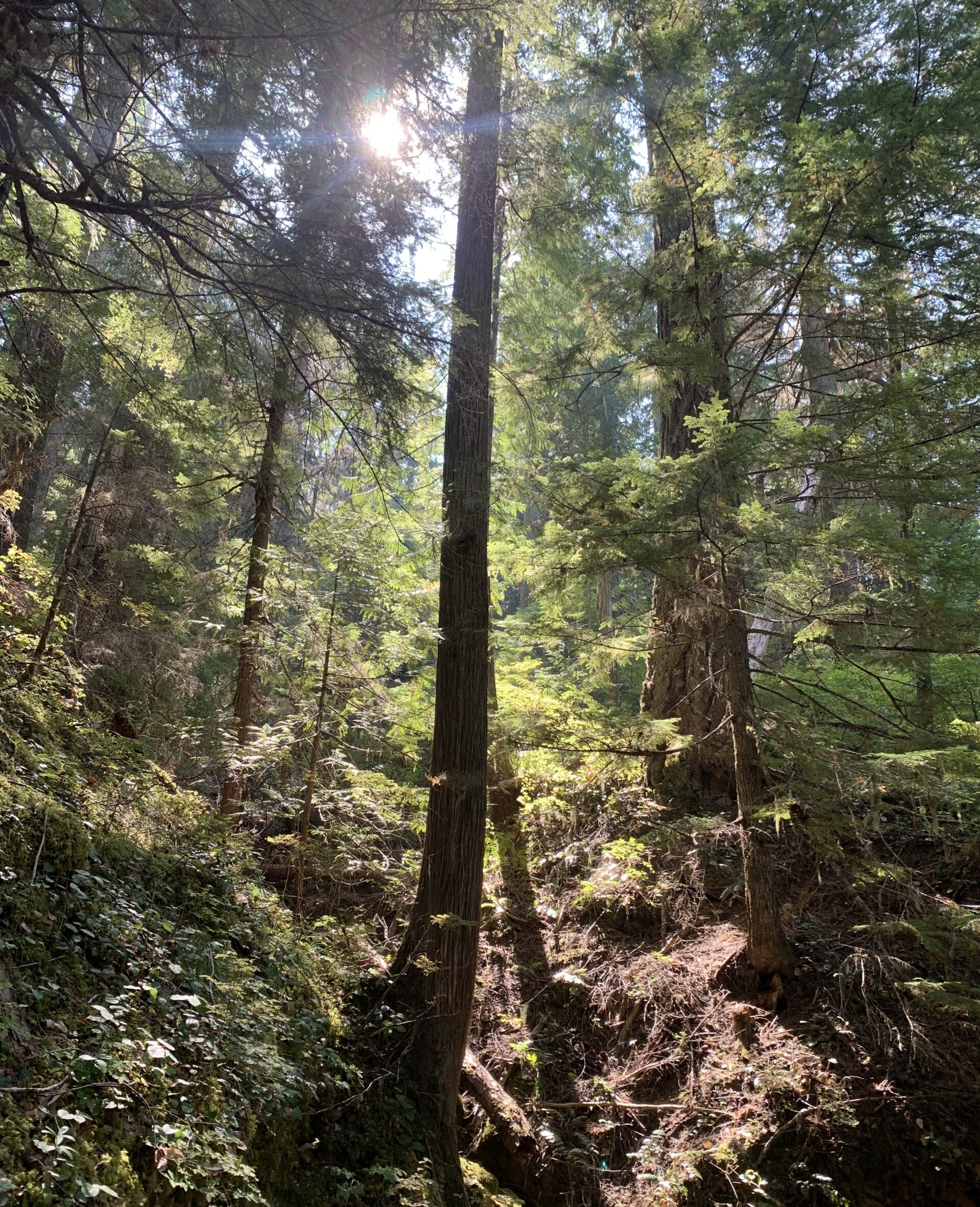
Photo courtesy of the author.

Medicine Lake (Sáttítla Highlands National Monument)

The highway is nearly empty;
the mid-June air still crisp.
There is snow on the roadside,
to the west are fire scars.
If I slowed the car, I might relax into

grief. But I am lost.                             

Two Poems by Heather Bourbeau
Read more...

Biography of a Dress

By JAMAICA KINCAID

This story is reprinted in honor of Amherst College’s eleventh annual literary festival, which features Jamaica Kincaid as a guest author. Register and see the full list of LitFest 2026 events here.
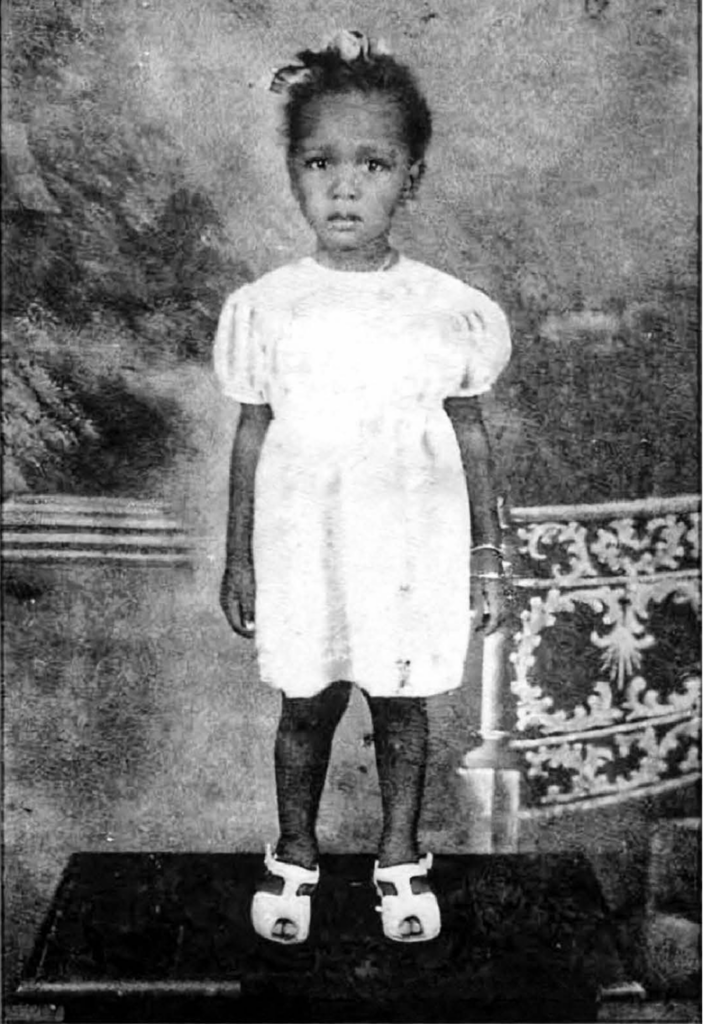
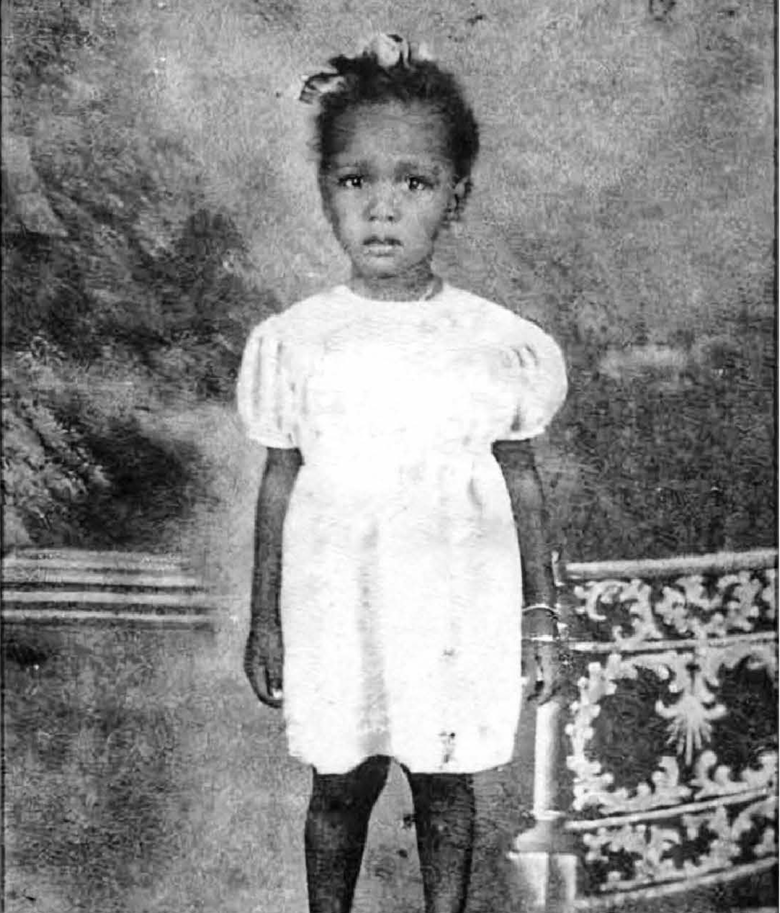
Early photograph of the author in a light-colored dress.

Image courtesy of the author.

The dress I am wearing in this black-and-white photograph, taken when I was two years old, is a yellow dress made of cotton poplin (a fabric with a slightly un-smooth texture first manufactured in the French town of Avignon and brought to England by the Huguenots, but I could not have known that at the time), and it was made for me by my mother. This shade of yellow, the color of my dress that I was wearing when I was two years old, was the same shade of yellow as boiled cornmeal, a food that my mother was always eager for me to eat in one form (as a porridge) or another (as fongie, the starchy part of my midday meal) because it was cheap and therefore easily available (but I did not know that at the time), and because she thought that foods bearing the colors yellow, green, or orange were particularly rich in vitamins and so boiled cornmeal would be particularly good for me. But I was then (not so now) extremely particular about what I would eat, not knowing then (but I do now) of shortages and abundance, having no consciousness of the idea of rich and poor (but I know now that we were poor then), and would eat only boiled beef (which I required my mother to chew for me first and, after she had made it soft, remove it from her mouth and place it in mine), certain kinds of boiled fish (doctor or angel), hard-boiled eggs (from hens, not ducks), poached calf’s liver and the milk from cows, and so would not even look at the boiled cornmeal (porridge or fongie). There was not one single thing that I could isolate and say I did not like about the boiled cornmeal (porridge or fongie) because I could not isolate parts of things then (though I can and do now), but whenever I saw this bowl of trembling yellow substance before me I would grow still and silent, I did not cry, that did not make me cry.

Biography of a Dress
Read more...

Map

By MARIN SORESCU

Translated by DANIEL CARDEN NEMO


Translator’s note

Marin Sorescu, despite being one of the most translated Romanian writers, is one of the literary world’s best kept secrets. The reason for it, to my mind, lies squarely in the quality of existing English translations, as many of them have failed to capture his poetic essence. Twice nominated for the Nobel Prize in Literature, he never received the award based on his translated work.

Like many of his poems, “Map” reveals Sorescu’s depth of thought and highly associative mind, and above all his ability to convey the most complex emotions and contemplations into a multi-layered poetry that remains accessible to all. The challenge in the translation here comes from the ability to convey an intimate, almost didactic exploration of the body, revealing the speaker’s vulnerability as he opens himself up for in(tro)spection. The body becomes a cartographic landscape, with known and uncharted areas, while the self is a terrain molded by time, animated by the soul, and inevitably oriented toward death. The poem blends stark physicality with cosmic metaphysics, suggesting that human identity, just like the Earth’s geography, contains vastness, complexity, and the unknowable. It is consciousness which imbues the world with dynamism. Without internal life, and perhaps without poetry, existence becomes static, ornamental.

Map
Read more...