Legion

By BORIS DRALYUK

        for Ange Mlinko  

Of C. H. Krumm—Charles Harrison, or Harry— 
a single trace remains on Catalina, 
so oxidized, so salt-worn I could barely 
make out the name. How many must have seen it 
while rambling from or trudging to the ferry 
and given it no mind, no second look? 
 
Lone lettered slat, corroded tongue depressor, 
marking the island’s only casualty 
of the Great War. I loitered, tried to guess at 
his last deployment: Château-Thierry? 
Had he been pierced, gassed, shattered in some lesser 
clash in No Man’s Land, or bitten dead like Brooke? 

I looked him up. A studio electrician, 
for some time he sold beachy curios— 
albums of sea moss, moonstones, flying fish wings— 
by mail. He never wore a doughboy’s clothes. 
Called up at twenty-nine, his home-front mission 
was to run power through a lumber mill. 

Dear Krumm, you cast your bread upon the water 
for no return, and caught your death of flu 
a month after the Armistice. A martyr 
like you too seldom gets his modest due. 
I’m on vacation in an age of slaughter 
and I salute you, having time to kill. 


[Purchase Issue 31 here.]


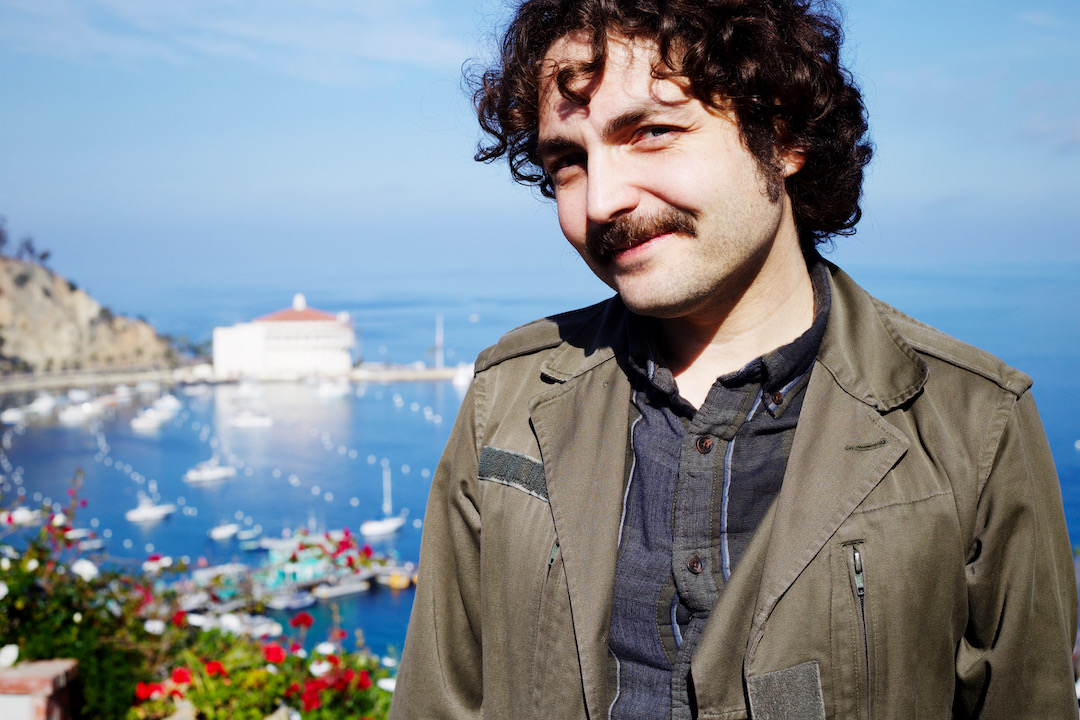
Boris Dralyuk is an award-winning translator and critic, and the author of My Hollywood and Other Poems. His work has appeared in The New York Review of Books, the Times Literary SupplementThe Best American Poetry 2023, and elsewhere. He is a Tulsa Artist Fellow, teaches at the University of Tulsa, and edits Nimrod.

From the beginning, The Common has brought you transportive writing and exciting new voices. We are committed to supporting writers and maintaining free, unrestricted access to our website, but we can’t do it without you. Become an integral part of our global community of readers and writers by donating today. No amount is too small. Thank you!

Legion

Related Posts

https://bookshop.org/a/429/9798899480072

Amphibious Living: January O’Neil interviews Joseph O. Legaspi

JOSEPH O. LEGASPI
Amphibians, of course, are a class of vertebrate, ectothermic animals that include frogs, salamanders, and newts—creatures that initially start life in water and, as they grow, move onto land. The idea of this book is to explore what I call “amphibious living”: being able to live, survive, and thrive across these different landscapes.

Juliet McShannon headshot with Issue 31

Podcast: Juliet McShannon on “Rescue”

JULIET MCSHANNON
Juliet McShannon speaks to Emily Everett about her story “Rescue,” which appears in The Common’s spring issue. The story follows a woman on her search for a lost dog through a neighborhood very different from her own and explores ideas of loss, class, community, and healing.

Caribbean picture

Self-Portrait in The Caribbean

PAOLA ASSAD BARBARINO
Sometimes I am emboldened, / I decide to stand in the people’s balcony / I decide it is Maundy Thursday I decide to place a priest behind me that can speak to the people behind / my back / I decide to put out the fire and light my throat / scream