Searching for Meaning: Chukwuebuka Ibeh interviews David Emeka

DAVID EMEKA and CHUKWUEBUKA IBEH first connected in 2020, after Emeka read Ibeh’s Gerald Kraak-shortlisted story, The Ache of Longing. Emeka had raved about it to a mutual friend, who encouraged him to send Ibeh a DM. He did, and they continued messaging on Twitter about shared goals and interests. Later, Emeka was accepted into the Washington University MFA program in St. Louis, where Chukwuebuka was enrolled. Ibeh didn’t know then, but Emeka applied to the program with a story Ibeh had provided feedback on. They’ve continued to share work since, and enjoyed many adventures as well.

For this interview, Emeka and Ibeh spoke over two days when Ibeh visited St. Louis for Christmas. Their initial conversation unfolded in Ibeh’s wonderfully warm apartment, and they continued connecting over email after Ibeh’s return to Lewisburg, PA, where he currently teaches. 

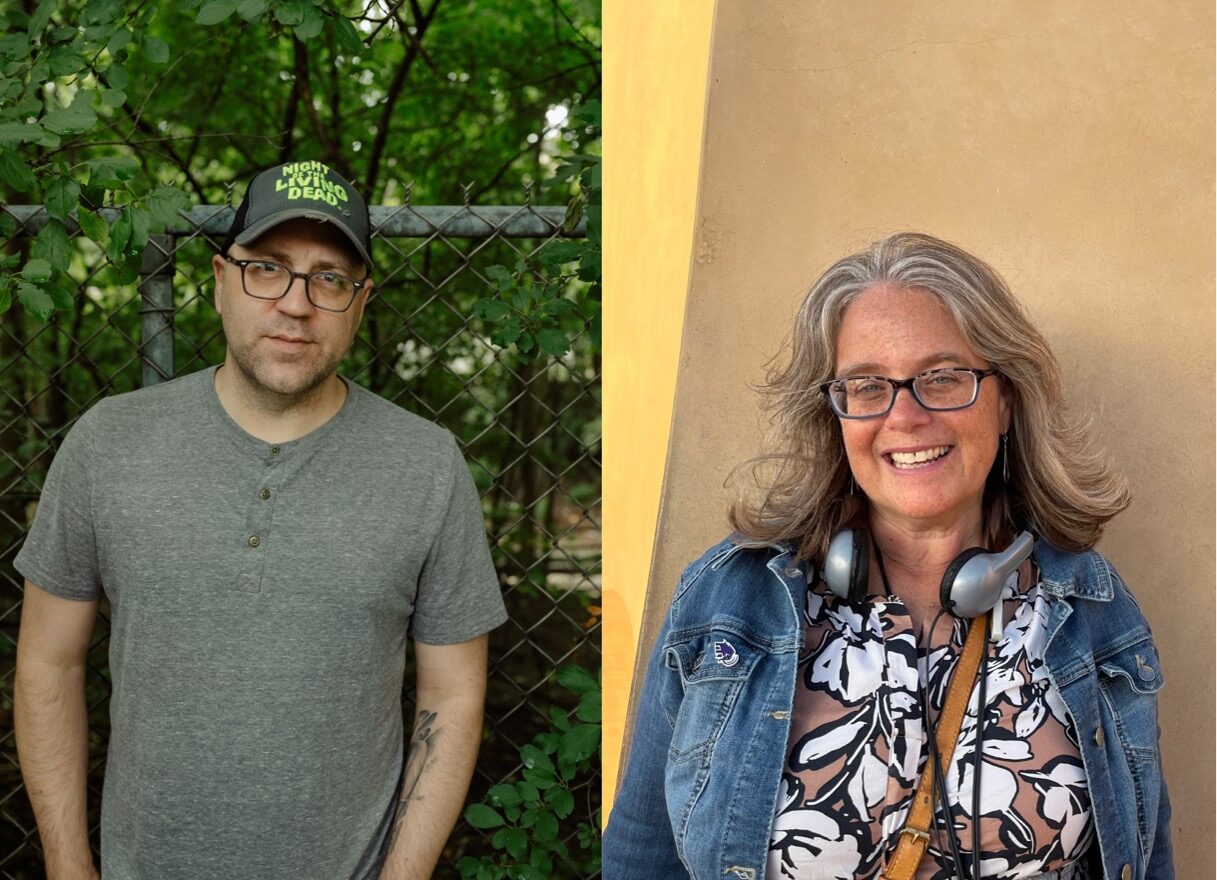
David Emeka (left) and Chukwuebuka Ibeh (right)

David Emeka (left) and Chukwuebuka Ibeh (right)

Chukwuebuka Ibeh (CI): Congratulations on your Outpost residency! How did you feel coming out of it? What was your routine like?

David Emeka (DE): Thank you so much, Ebuka. Vermont was wonderful, and the Outpost residency even more so. I keep thinking about the meals, the warmth I felt from everyone there. The grounds—the trees, the cornfields, the mountains in the distance—were spectacular. I do some of my best thinking when walking, so I’d swaddle myself in a blanket and pace among the trees, just meditating. And then there was this hammock—that was my favorite spot. When my ideas had collected to supersaturation, I’d go into the hammock and cover myself with the blanket and write. I’m a morning person, but I love to write in the dark. Every day I woke up at dawn to write, had breakfast, paced and wrote and read, jogged around the neighborhood, then returned for dinner. Sometimes we cooked for each other—I would make sourdough bread, or D’mani Thomas, the other fellow, would make tacos. We took walks under the stunning sunsets. It was a splendid time.

CI: It truly sounds beautiful. How did this process translate when you returned home?

Searching for Meaning: Chukwuebuka Ibeh interviews David Emeka
Read more...

Podcast: Casey Walker on “Islands”

Apple Podcasts logo

Listen on Apple Podcasts.

Spotify Logo Green

Listen on Spotify.

Transcript: Casey Walker

CASEY WALKER speaks to EMILY EVERETT about his story “Islands,” which appears in The Common’s fall issue. Set at an old lake house rife with unresolved family tensions, the story explores the dynamics between three orphaned brothers, and between the narrator and his pregnant wife. Casey discusses how the piece evolved over more than a decade, and how he always hopes a story will take on a life of its own during the writing process. Also discussed is his forthcoming novel Mexicali, set in the US-Mexico borderlands during the first half of the 20th century.

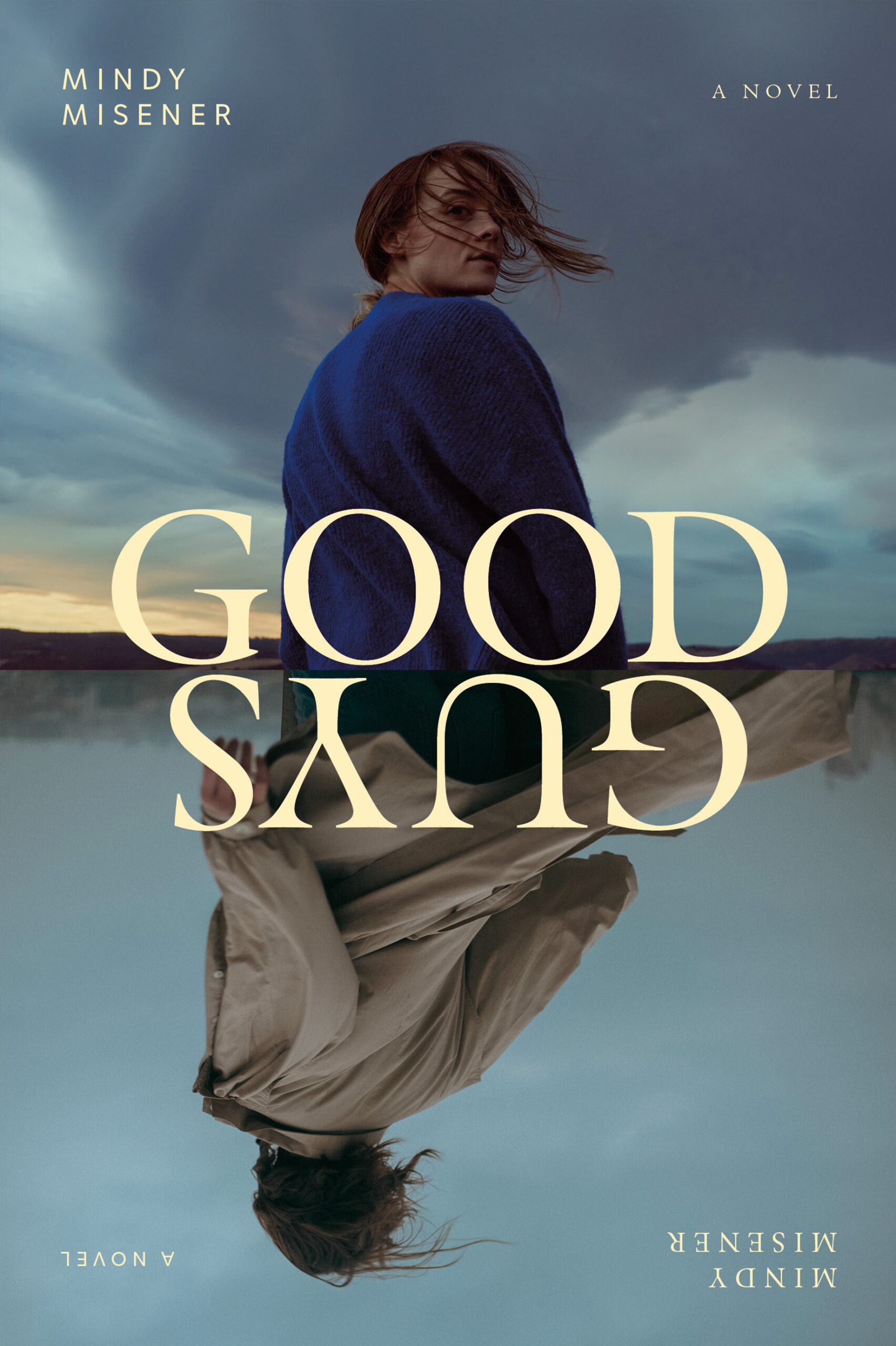
Portrait of Casey Walker in front of a bookshelf spliced next to the cover page of Issue 30

Podcast: Casey Walker on “Islands”
Read more...

April 2026 Poetry Feature #1: Carson Wolfe, Benjamin Paloff, and Jehanne Dubrow

April is poetry month! To kick it off, we have new poems by our contributors, CARSON WOLFE, BENJAMIN PALOFF, and JEHANNE DUBROW!

Jehanne Dubrow (left), Carson Wolfe (center), and Benjamin Paloff (right)

Jehanne Dubrow (left), Carson Wolfe (center), and Benjamin Paloff (right)

 
Table of Contents: 

—Jehanne Dubrow, “Encounter” and “Winter Rye”

—Benjamin Paloff, “Of the Art of Conferring”

—Carson Wolfe, “I Rank Places by How Much They Charge for Pringles”

April 2026 Poetry Feature #1: Carson Wolfe, Benjamin Paloff, and Jehanne Dubrow
Read more...

The Lost Box

By AIMEE LIU

1

He’s calling my name. About time. He’s been holed up in the bathroom for nearly an hour while my mother and I’ve busied ourselves elsewhere, pretending not to notice. Now as I wedge my way in, I find him seated on the rim of the tub like he’s waiting for an appointment.

Sickness has sallowed his skin and bruised the pouches around his eyes. His pale blue summer pajamas hang from his shrunken frame, and uncombed hair turbines around his head in a wild white corona. Yet my father sits up straight. He still manages to look irresistibly dashing in the way that Ray Milland might have, if he’d lived to ninety-five, had terminal cancer, and been half Chinese.

The Lost Box
Read more...

They Could Have

By CONSTANTINE P. CAVAFY
Translated from the Greek by CONSTANTINE CONTOGENIS

Poem appears in both English and Greek below.


Translator’s Note:
In translating Cavafy I was most absorbed and, at times, confused by his irony. People make ironic points—no confusion. But some of Cavafy’s irony does not come to a sharp point. I call this unresolved irony, which adds to but doesn’t settle the semantic and emotional atmosphere. The experience of reacting to the irony in the context of its poem can be frustrating. Instead of crystalizing our understanding, or, as a kind of compass, leading us to the author’s side, the irony works within a poem to help create an experience of widening awareness, giving us a touch of wisdom.
              — Constantine Contogenis

They Could Have
Read more...

LitFest 2026 in Review

Art and politics took center stage at our 11th annual LitFest! From February 26th to March 1st, the community flocked to Amherst College for talks by Jamaica Kincaid, Pete Buttigieg, and more. Students competed in the Spoken Word Slam, and filled seminar rooms for craft classes with Jamaica Kincaid, Lena Khalaf Tuffaha, Evie Shockley, and Dan Chiasson

Read on for a gallery of selected images and videos from LitFest 2025, and view all the event recordings here before they expire.

LitFest 2026 in Review
Read more...

Two Poems by Heather Bourbeau

By HEATHER BOURBEAU

Photo courtesy of the author.

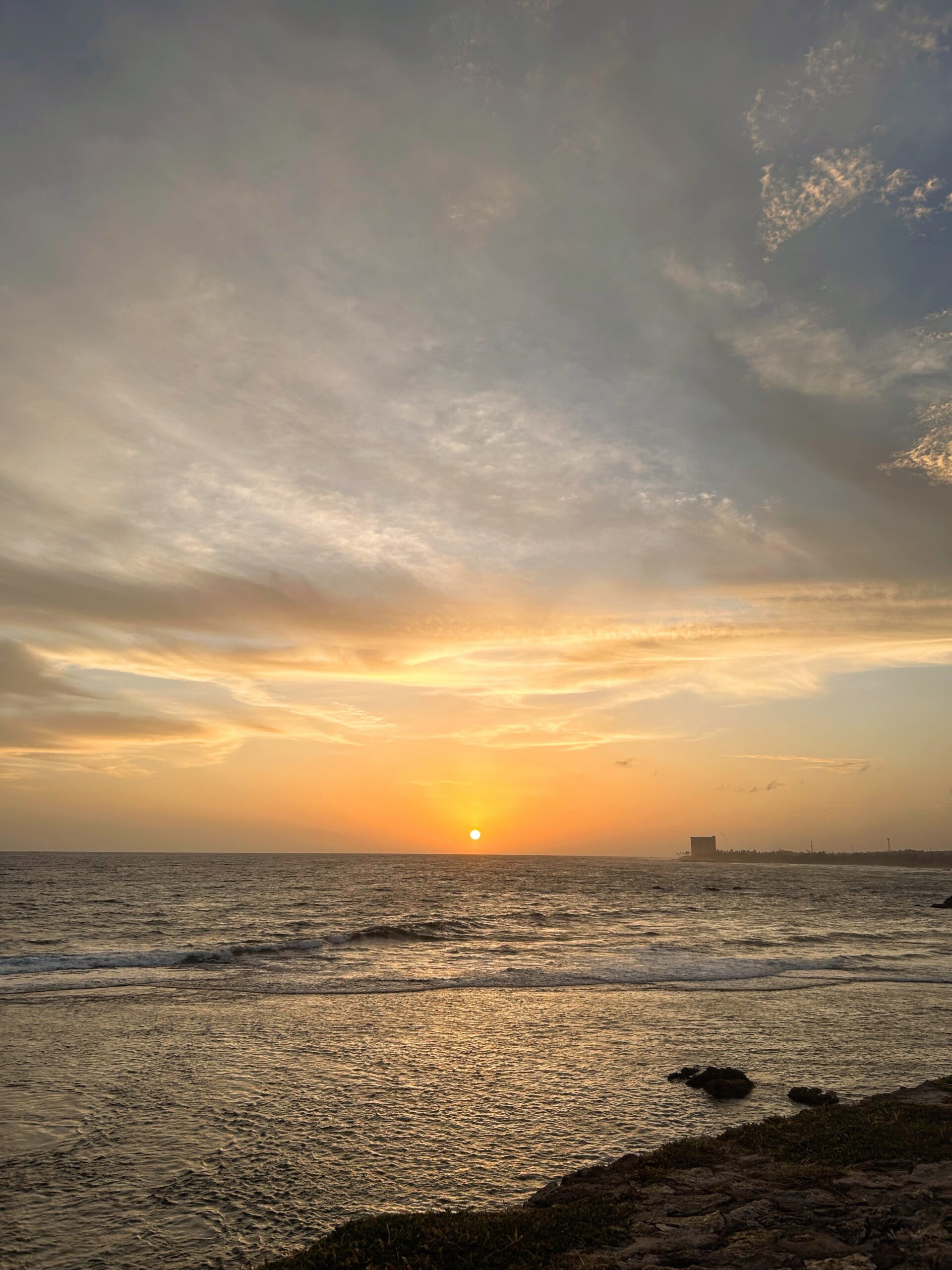
Medicine Lake (Sáttítla Highlands National Monument)

The highway is nearly empty;
the mid-June air still crisp.
There is snow on the roadside,
to the west are fire scars.
If I slowed the car, I might relax into

grief. But I am lost.                             

Two Poems by Heather Bourbeau
Read more...

The Common Young Writers Program Opens Applications for Summer 2026!

Applications for The Common Young Writers Program, a fully virtual summer writing class for high school students (rising 9-12), are now open! Over the span of two weeks, students will be introduced to the building blocks of fiction, learn to closely read a text the way a writer would, and leave having written and edited a short story of their own. Taught by the editors and editorial assistants of Amherst College’s literary magazine, the two summer courses (Level I and Level II) run Monday-Friday and are open to all aspiring writers in grades 9-12. The program starts on July 20 and ends with a celebration of student work on the 31st. Applications close May 18 at midnight.


Level I is for beginners and anyone excited to try their hand at fiction. Level II is for returning TCYWP participants or students who have already completed a creative writing class or workshop. 
 

Full and partial need-based tuition waivers are available for both levels; we hope that no student will let financial difficulty prevent them from applying. Tuition waivers will be awarded to students with strong applications who cannot attend the program without financial assistance. In the application, students will have the opportunity to briefly describe their financial circumstances and state the amount they could afford to pay, if any, if accepted into the program. No tax returns or other documentation is required.

Click here for more information and details on how to apply.

The Common Young Writers Program Opens Applications for Summer 2026!
Read more...