The Spies

By ALEKSANDAR HEMON 

I’ve learned that a small amount of painkill
blooms into a heartbreak, just as the moon
sinks in the ocean, smears and dissolves,
depleted by the longest of hopeful nights.

There was a time when all that love made sense.
And yet, we are back home now, reproducing
clichés, reshaping the ancient mistakes,
blending snot with tears to repaint the stairs.

Something in me wants to go out there
and buy some fresh new underwear
but the universe has got a different idea,
important things to burn before it Big-Bangs.

There’s no hope—should’ve always known—
but in the angry alleys, the overlit corners,
in the heart of those who don’t give a fuck,
go about determined not to fear forever.

I must say: I loved you with ripe fondness,
even if you were a terrible thousand miles
away from me and all that you wanted to be.
Leave your letters in the dead drop tree.


[Purchase Issue 31 here.] 


Aleksandar Hemon writes fiction, nonfiction, screenplays, and poetry. He makes music and DJs as Cielo Hemon. He produces videos featuring his music and poetry. His poetry collection Godspotting is forthcoming in November 2026. He teaches at Princeton University.
From the beginning, The Common has brought you transportive writing and exciting new voices. We are committed to supporting writers and maintaining free, unrestricted access to our website, but we can’t do it without you. Become an integral part of our global community of readers and writers by donating today. No amount is too small. Thank you!

The Spies

Related Posts

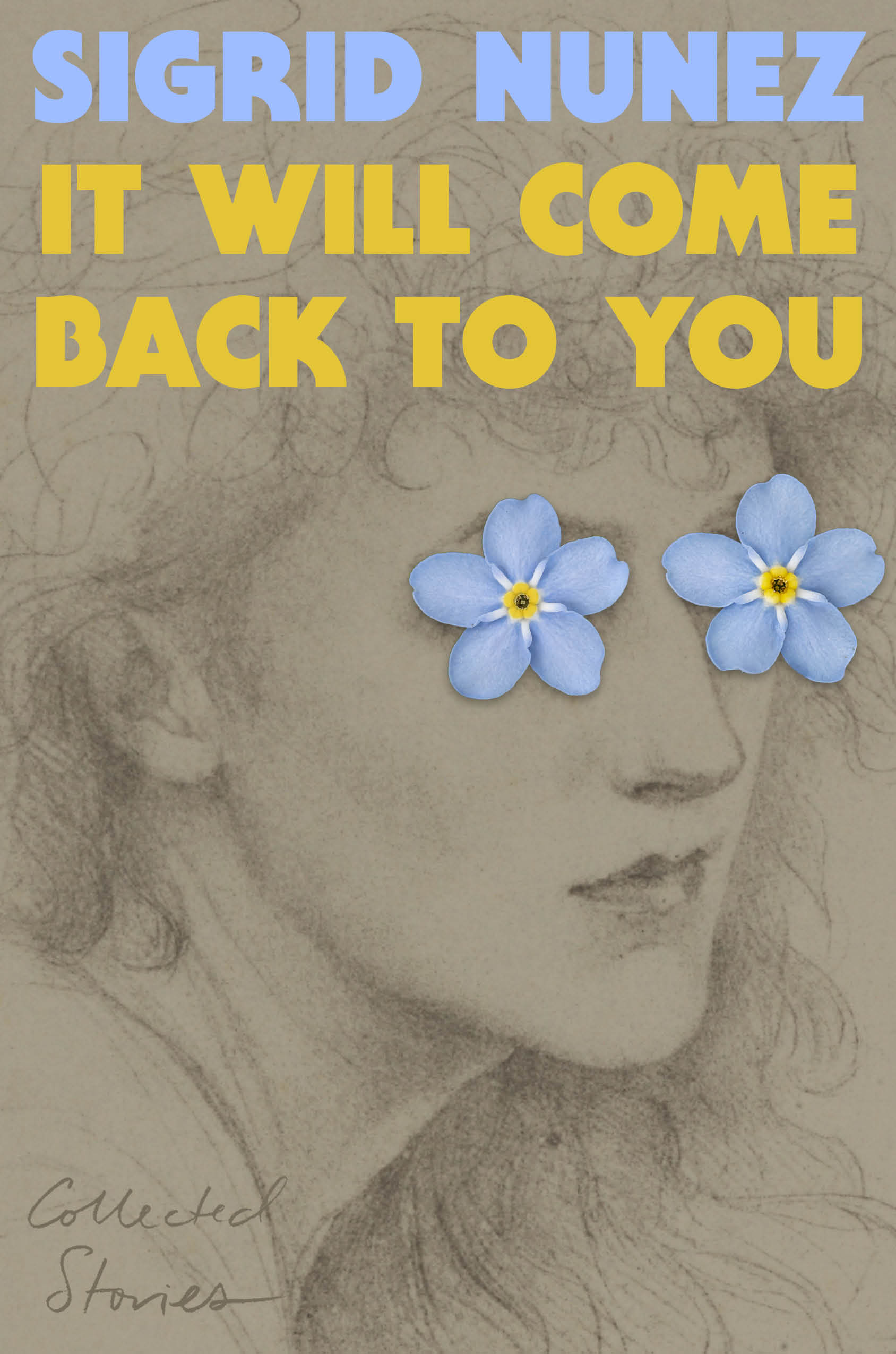
Everything Has to Work: Michael Costaris interviews Sigrid Nunez

SIGRID NUNEZ
Everything has to work, and whatever ending there is, it should strike the reader as inevitable. So yes, it is harder to write short fiction. Of course, plenty of writers are capable of producing at least one beauty. But the kind of writer who can produce one fine story after another—that’s definitely a rarer breed than your usual good novelist.

Headshot of bergita bugarija

In the Know

BERGITA BUGARIJA
Iskra studied the layout of the cash drawer, focusing on the denominations, not the men depicted on the bills. If she cared for history, she would have stayed in Croatia, a place where people chose to live in the past. She’d come close to doing so herself.