The sign painted on the truck is a phrase
I contemplate under a vine-covered pergola.
You might call this walled city garden
my hermitage—the faint notes
of a live flute from an open window
harmonizing with a robin’s song.
Sirens break my reverie.
“Police, fire, or medical assistance?”
the voice always asks me. Always medical,
my loved one fallen again—twice
in two days, 20 times the past year—
sometimes bleeding from his skull,
tearing tendons and once, breaking bones.
Confusion and forgetting,
symptoms of a disease with no cure—
unlike my long-ago radiation,
breast burned 33 times, cell destruction
to construct a safe, secure future.
But lately even my dreams seem to threaten
our future, swimming back as I awaken:
the enormous, multi-colored snake
that slithered into my house out of nowhere,
the looming alarm clock I stabbed
to smithereens with a kitchen knife.
The sirens have faded now,
but not my memories,
dark and deepening like a bruise.
One yellow-eyed bloom rises,
a periscope from the jungle above, peering
at me as I try to fathom how to forestall
the spreading havoc that lies ahead.
The trucker gods say no harm will come
from their meticulous destruction,
but refuse all guarantees.
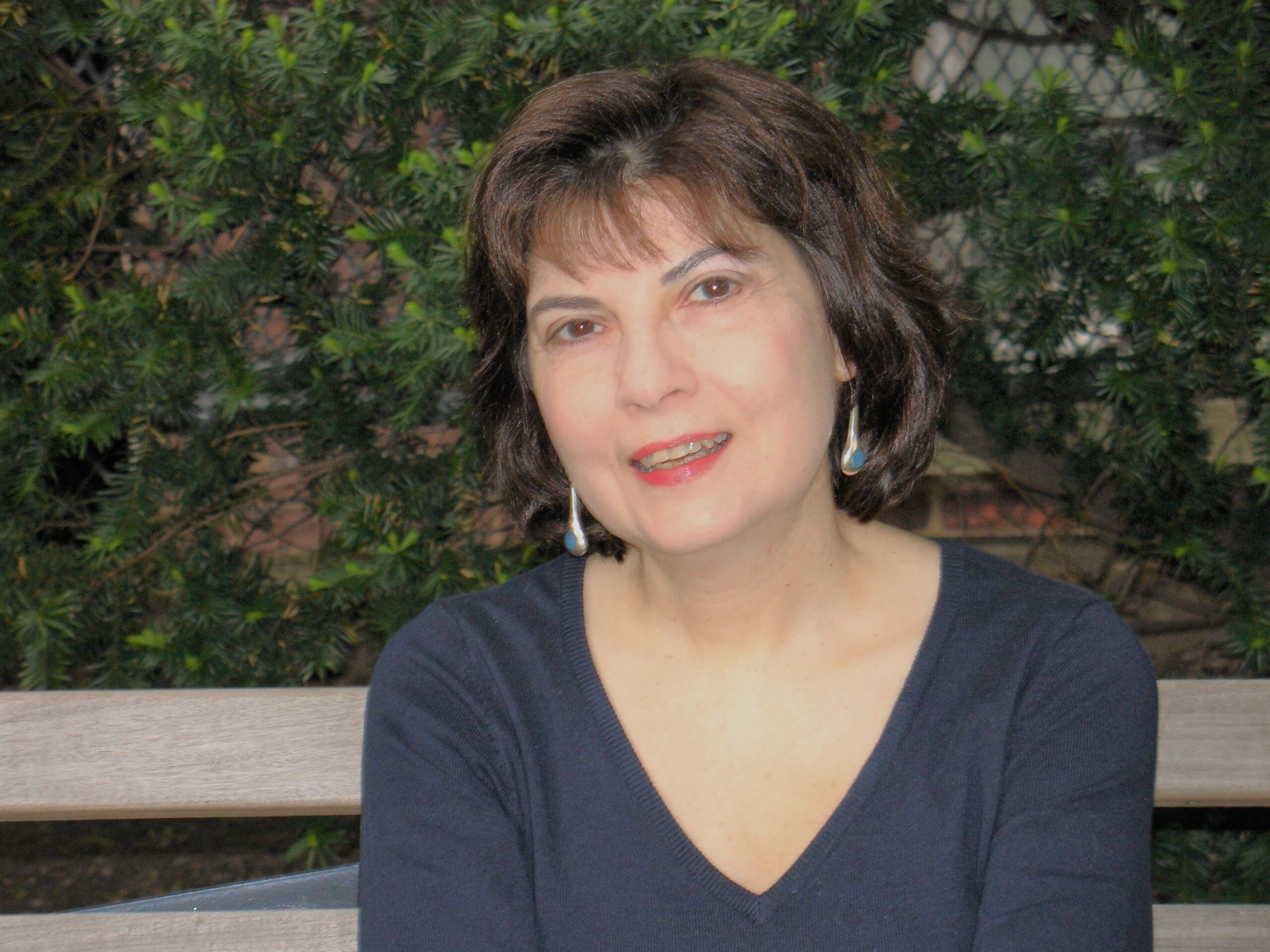
Maria Terrone’s collections are No Known Coordinates, Eye to Eye, A Secret Room in Fall, The Bodies We Were Loaned, and two chapbooks. Her credits include Poetry, Ploughshares, thirty-plus anthologies, and At Home in the New World, her nonfiction debut. Home is Jackson Heights, Queens, a famously diverse community. More at MariaTerrone.com.